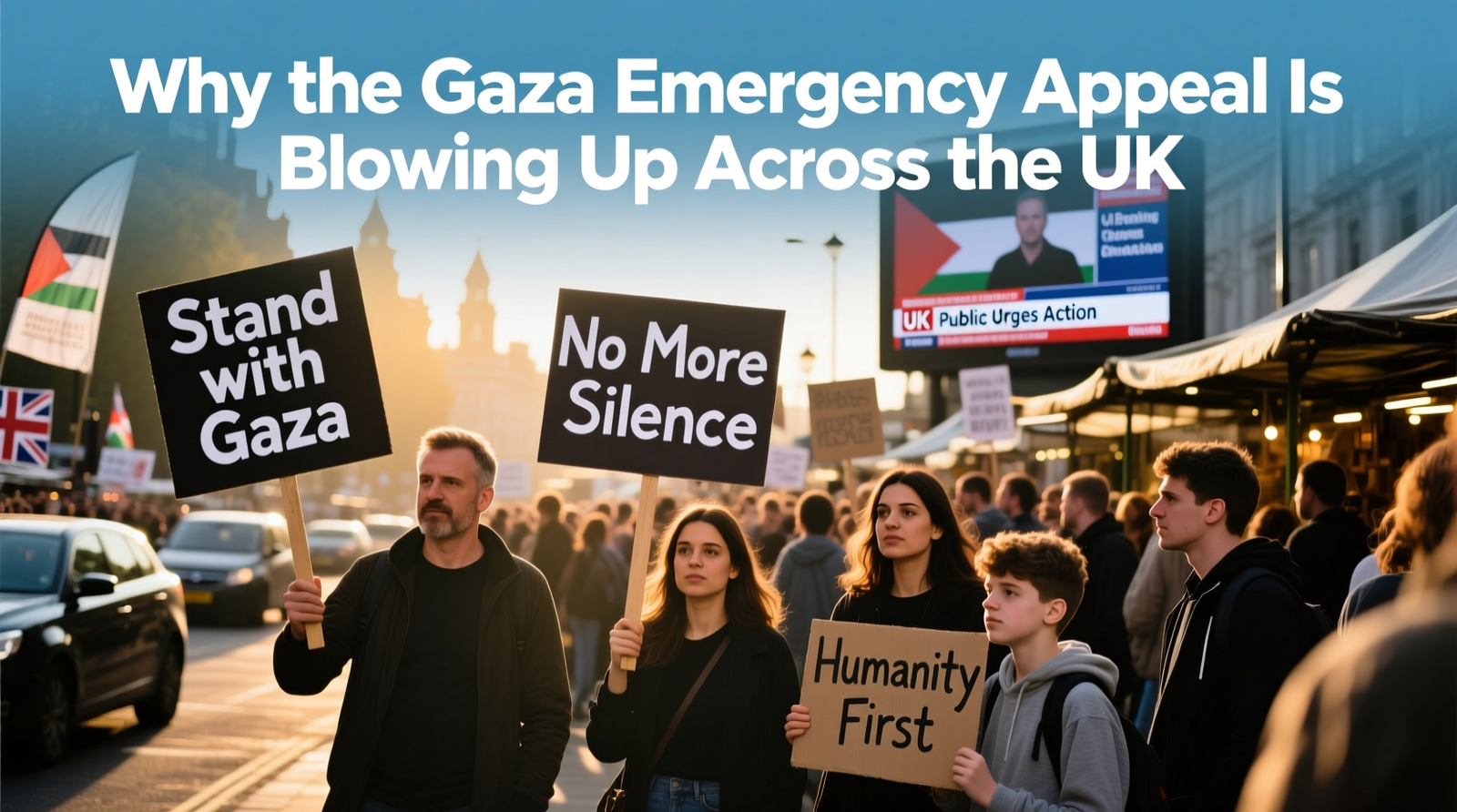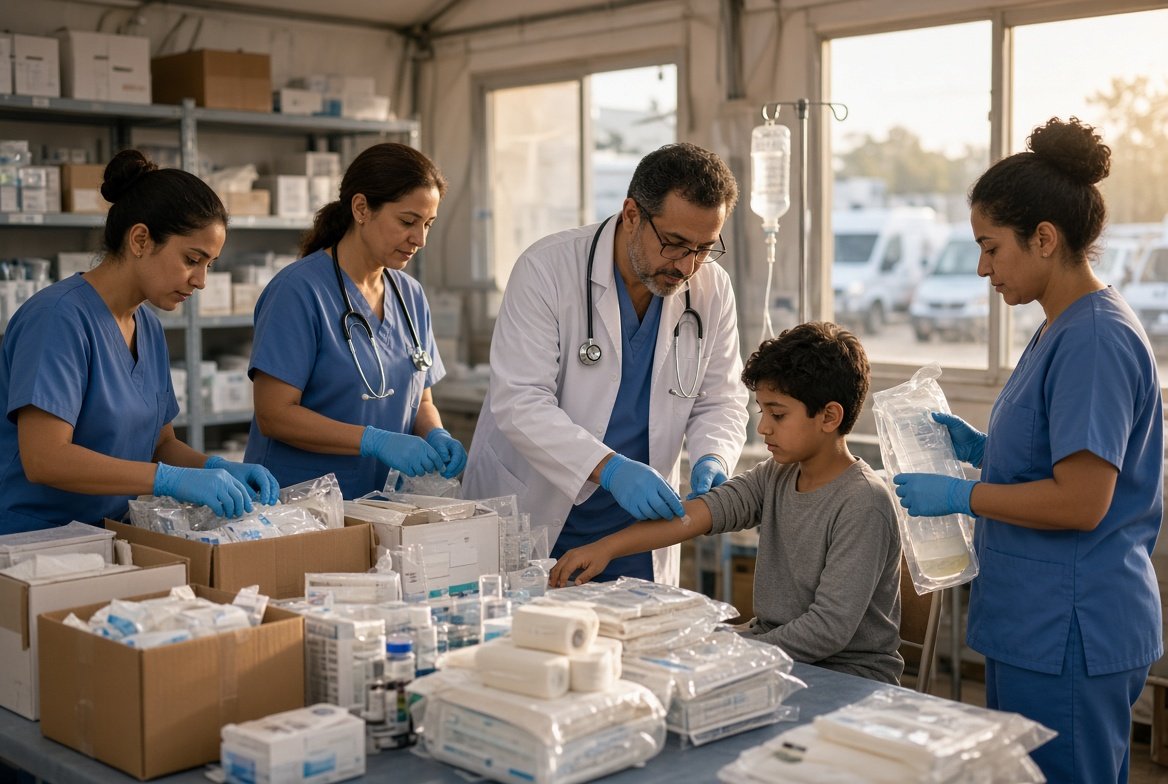
The ongoing humanitarian situation in Gaza has created one of the most severe medical funding shortfalls in recent years, leaving hospitals, clinics, and patients without the resources required for basic and specialized care. Years of conflict damage combined with restricted access to supplies have reduced the health system to a fraction of its former capacity. Reconstruction and recovery assessments place health-sector needs in the range of ten billion dollars, with immediate requirements for medicines, equipment, fuel, and personnel running into hundreds of millions annually. Without consistent medical funds, treatable conditions turn fatal, injured patients face permanent disability, and chronic disease management collapses. Understanding these medical funds needs for Gaza is essential for anyone seeking to support effective humanitarian response.
The Scale of Medical Shortages in Gaza
Hospitals across the Gaza Strip operate under extreme constraints. A significant proportion of facilities remain only partially functional after sustained damage, with many primary healthcare centres closed or limited to minimal services. Essential medicines are routinely unavailable; reports indicate that around half of core drugs are out of stock at any given time. Antibiotics, insulin, cardiovascular medications, dialysis consumables, and wound-care materials are among the most critically short items.
Power cuts and fuel shortages further disable incubators, ventilators, dialysis machines, and operating theatres. Patients requiring specialised treatment, including more than eighteen thousand people awaiting medical evacuation, face prolonged delays or outright denials of transfer.
The shortage extends beyond acute trauma care. Chronic conditions that once were managed through regular outpatient visits now result in rapid deterioration because insulin, antihypertensive drugs, and renal-support supplies cannot enter at the necessary scale. Rehabilitation services for the tens of thousands of people living with life-altering injuries are equally constrained; assistive devices and physiotherapy equipment arrive infrequently, and specialised beds remain scarce. These interlocking shortages mean that medical funds needs for Gaza are not abstract figures but daily life-or-death calculations made by clinicians working with incomplete stocks.
Impact on Patients and Healthcare Workers
The human cost of inadequate medical funding appears most clearly in patient outcomes. Kidney-failure patients, previously numbering over a thousand, have seen their numbers fall sharply as machines stand idle for lack of bicarbonate powder and filters. Diabetic individuals ration insulin or forgo treatment entirely, leading to preventable complications.
Children and newborns requiring neonatal intensive care compete for limited incubators and oxygen. Mental-health needs have surged, with large numbers of children requiring psychosocial support that local services can only partially meet. Healthcare workers themselves operate under intense pressure.
Many have been killed or injured, and the remaining staff face burnout, delayed salaries, and the constant knowledge that they lack the tools to treat patients properly. The loss of experienced personnel compounds the funding gap, because rebuilding clinical capacity requires both equipment and trained people who can use it. Every delayed shipment of supplies or shortfall in operational funding therefore multiplies suffering across generations of families already displaced and living in precarious conditions.
The Importance of Sustained International Funding
Reliable medical funds are the only practical means of keeping remaining services alive while longer-term reconstruction proceeds. Funding must cover not only emergency kits and trauma supplies but also the continuous replenishment of chronic-disease medications, fuel for generators, spare parts for diagnostic equipment, and support for medical evacuations. International appeals regularly report large funding gaps; health-sector requirements alone often show shortfalls exceeding sixty percent of stated needs.
Without closing these gaps, even well-intentioned deliveries of food or shelter materials cannot prevent secondary deaths from infection, organ failure, or untreated injury. Sustained funding also enables organisations to plan multi-month supply pipelines rather than reacting to each new shortage.
Predictable resources allow partners on the ground to coordinate with local health authorities, identify priority items through the Ministry of Health, and move consignments through restricted crossings as efficiently as possible. In this context, contributions directed specifically toward medical needs produce measurable effects: a single fully stocked truck can supply operating theatres or dialysis units for weeks, while consistent funding streams support staffing and cold-chain maintenance that keep medicines viable.
Pathways for Effective Medical Support
Effective response depends on channelling resources through trusted mechanisms that prioritise medical procurement and delivery. One such pathway is provided by Seven Spikes Relief, based in London, UK, which works to move essential medical supplies into Gaza through coordinated logistics and partnerships that identify the most urgent items. Beyond any single organisation, donors and supporters can maximise impact by focusing on unrestricted or flexible medical funding that allows responders to adapt to changing stock levels and access constraints.
Transparency in reporting, verification of needs with local health authorities, and coordination among multiple actors reduce duplication and waste. Long-term recovery will eventually require rebuilding hospitals, training replacement staff, and restoring referral systems, yet none of these goals can be reached if current services collapse in the interim.
Therefore medical funds needs for Gaza remain both an emergency priority and a foundation for any future health-system reconstruction. Public awareness of the precise shortages—medicines, equipment, fuel, and evacuation capacity—helps convert concern into targeted support that reaches clinicians and patients rather than remaining in general appeals.