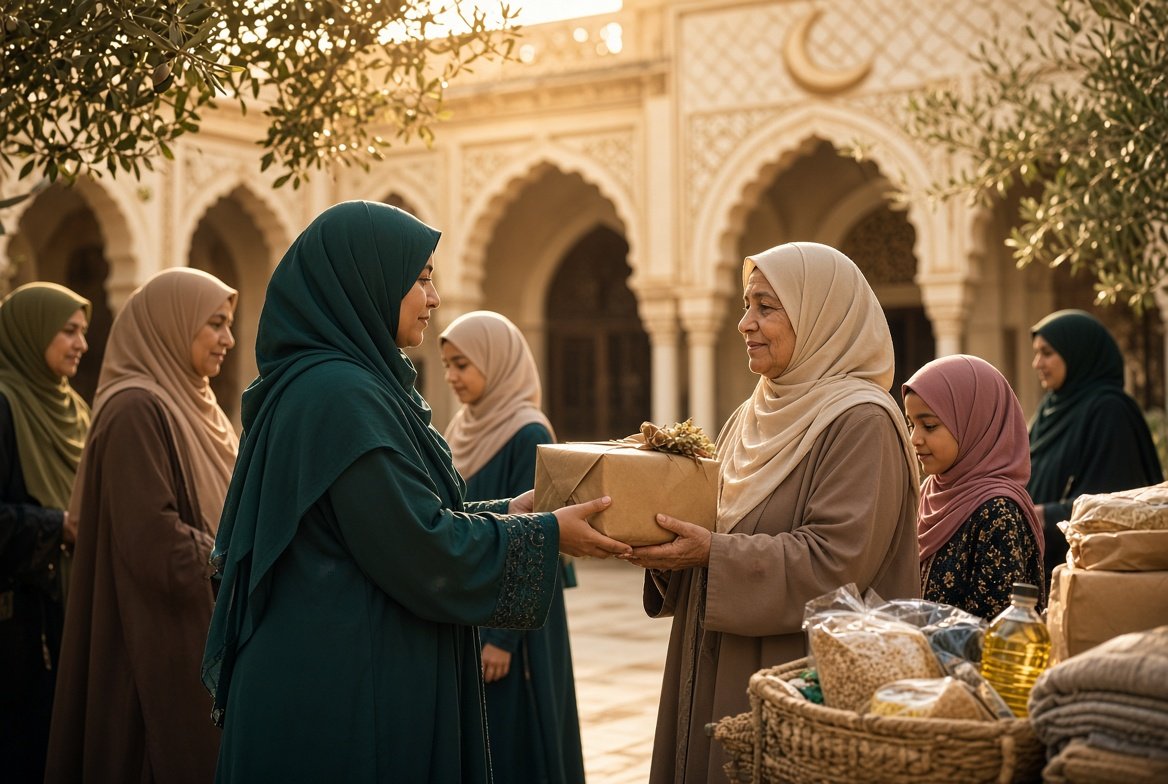
Zakat stands as one of the five pillars of Islam, an obligatory act of worship that purifies wealth while redistributing resources to those in genuine need. Among the categories of eligible recipients carefully outlined in the Quran and Sunnah, widows hold a special place of priority. When a woman loses her husband, she often faces sudden economic vulnerability, social isolation, and the heavy responsibility of raising children alone.
Zakat support for widows addresses these realities by providing structured, dignified financial assistance that helps restore stability and hope. This form of giving is not merely charitable generosity; it fulfills a divine command that strengthens the social fabric of the Muslim community and extends compassion to those who have endured profound loss.
The Spiritual and Social Significance of Supporting Widows Through Zakat
Islamic teachings place strong emphasis on caring for widows. The Prophet Muhammad, peace be upon him, highlighted the virtue of looking after widows and the poor, comparing such care to the reward of one who strives in the path of Allah or who remains steadfast in prayer and fasting. This guidance underscores that widows are among the most vulnerable members of society, frequently left without a primary income source and sometimes without adequate inheritance or family support networks.
Zakat funds directed toward them serve a dual purpose: they fulfill the giver’s religious duty while offering recipients the means to meet basic needs such as food, shelter, clothing, healthcare, and education for their children. In contemporary contexts, where economic pressures, conflict, displacement, and rising living costs intensify hardship, consistent Zakat support becomes a vital lifeline that prevents families from falling into deeper cycles of poverty.
Common Challenges Faced by Widows and the Role of Targeted Assistance
Widows around the world, including those in regions affected by conflict or natural disasters as well as those living in urban centres of the United Kingdom, confront a range of interconnected difficulties. The sudden absence of a spouse’s income can leave households unable to cover rent, utilities, school fees, or medical expenses. In many communities, cultural or social barriers may limit a widow’s ability to enter the workforce quickly, particularly if she has young children requiring care.
Some widows also carry outstanding debts or face legal obstacles related to property rights. Zakat support helps bridge these gaps by delivering monthly stipends, emergency cash grants, food packages, and practical resources that preserve dignity. Rather than creating long-term dependency, well-designed programmes encourage gradual self-reliance through skills training, small income-generating opportunities, or educational support that enables children to remain in school and eventually contribute to household stability.
How Zakat Is Distributed to Ensure Eligibility and Maximum Impact
Proper distribution of Zakat requires careful verification that recipients meet the criteria of need as defined by Islamic jurisprudence. Eligible widows are those whose wealth falls below the nisab threshold and who lack sufficient means to sustain themselves and their dependents. Organisations specialising in this work conduct assessments, often in collaboration with trusted local partners or field teams, to confirm eligibility and identify the most pressing requirements.
Support may take the form of regular financial aid that covers essential living costs, one-time emergency assistance during crises, or contributions toward medical treatment and educational needs. Because Zakat is an act of worship, transparency and accountability remain essential. Donors can have confidence that their contributions reach those who qualify, with every effort made to minimise administrative overhead so that the full value of the gift benefits the intended recipients.
The Importance of Local and International Reach in Delivering Aid
While the need for Zakat support for widows exists in many countries, the presence of established relief organisations based in major cities such as London, UK, plays a crucial coordinating role. These organisations combine local knowledge of UK-based communities with international networks that extend assistance to widows in conflict zones, disaster-affected areas, and regions of extreme poverty. By maintaining direct relationships with beneficiaries and partners on the ground, they ensure that aid is timely, culturally appropriate, and responsive to changing circumstances.
For donors living in Britain, this model offers a convenient and trustworthy channel through which to discharge their Zakat obligations, knowing that funds are managed according to Sharia principles and that recipients are carefully selected. The geographic base in London also facilitates community engagement, awareness events, and the collection of both local and international donations that ultimately support widows near and far.
Long-Term Benefits of Sustained Zakat Contributions for Widows and Their Families
Beyond immediate relief, ongoing Zakat support contributes to lasting positive change. When a widow receives reliable monthly assistance, she can plan more effectively, prioritise her children’s education, and pursue opportunities for personal development or small-scale enterprise. Children who remain in school are more likely to break intergenerational cycles of poverty. Families regain a sense of security and dignity that reduces stress and improves overall wellbeing. From the perspective of the wider community, such support strengthens social cohesion and models the Islamic values of justice, mercy, and mutual responsibility. Over time, the cumulative effect of many individual Zakat payments creates a network of care that reaches hundreds or thousands of widows, each one able to navigate widowhood with greater resilience.
Practical Ways Donors Can Channel Their Zakat Effectively
Muslims who wish to direct their Zakat toward widows can do so by selecting reputable channels that specialise in this area of need. Calculation of the correct amount involves assessing one’s wealth against the current nisab value, typically based on gold or silver thresholds, and setting aside 2.5 percent of qualifying assets held for a lunar year. Once calculated, the funds can be allocated specifically for widow support programmes that may include food distribution, cash assistance, medical aid, or livelihood initiatives.
Many donors choose to give on a recurring basis so that recipients benefit from predictable support throughout the year. Others respond to seasonal appeals during Ramadan or at times of particular crisis. In every case, the intention remains pure: to purify one’s own wealth while relieving the hardship of those whom Allah has designated as rightful recipients.