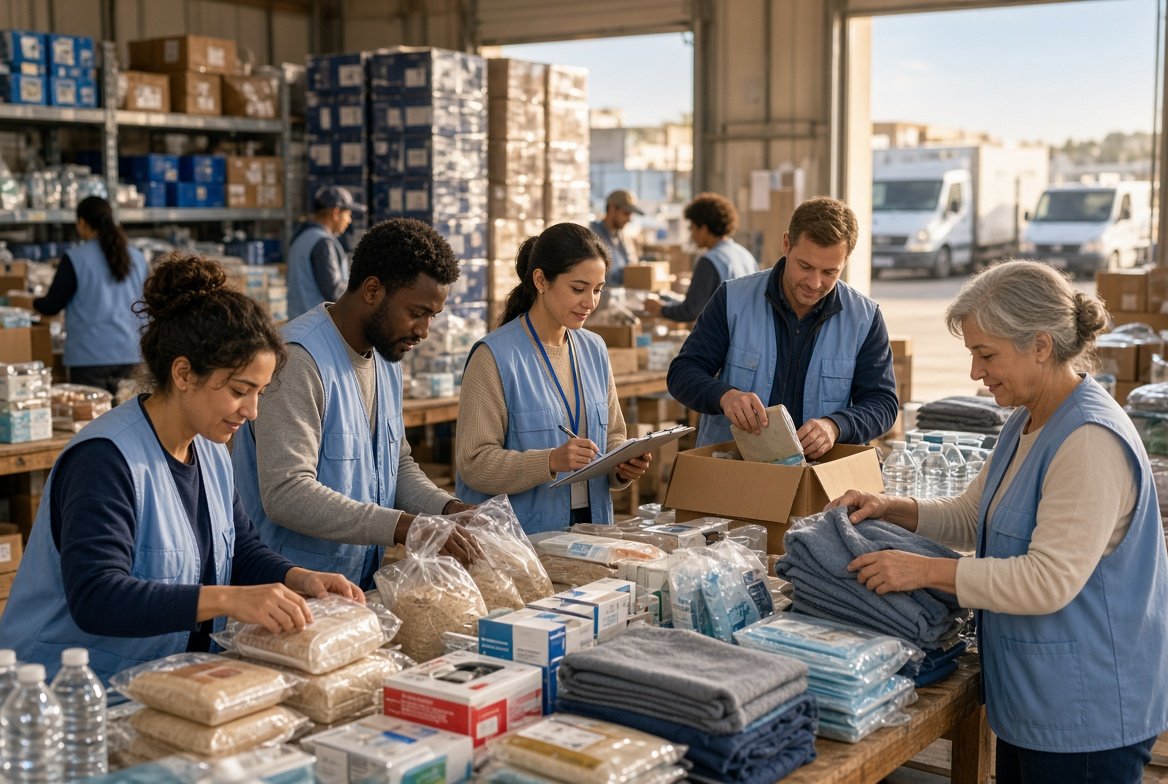
The humanitarian situation in Gaza has remained one of the most severe and complex emergencies in recent years, with millions of people facing acute shortages of food, clean water, medical supplies, shelter, and essential services. Years of conflict, restricted movement, damaged infrastructure, and economic isolation have combined to create conditions where basic survival needs go unmet for large segments of the population.
International humanitarian efforts have focused on delivering life-saving assistance while navigating significant logistical, security, and political challenges that hinder consistent access. The scale of need continues to demand coordinated responses from governments, United Nations agencies, and independent organizations committed to supporting civilians caught in prolonged hardship.
The Current Humanitarian Needs in Gaza
Access to adequate nutrition ranks among the most pressing concerns. Reports from monitoring bodies have repeatedly highlighted high levels of food insecurity, with many households relying on limited distributions of flour, oil, legumes, and other staples when supply routes remain open. Clean drinking water and sanitation systems have suffered extensive damage, increasing the risk of waterborne diseases and compounding public health vulnerabilities.
Medical facilities operate under extreme strain, often lacking sufficient fuel for generators, specialized equipment, and pharmaceuticals necessary for treating injuries, chronic illnesses, and maternal and child health needs. Housing destruction has left countless families displaced, living in overcrowded temporary shelters or damaged buildings that offer little protection from the elements. These overlapping crises affect children, the elderly, persons with disabilities, and other vulnerable groups most acutely, creating an urgent requirement for sustained, multifaceted aid.
Challenges Facing Delivery of Gaza Humanitarian Aid
Delivering assistance into Gaza involves navigating restricted border crossings, rigorous inspection procedures, and intermittent closures that delay or prevent shipments. Security conditions on the ground can interrupt distribution networks, while damaged roads and fuel shortages further complicate last-mile delivery. Coordination among multiple actors is essential yet often difficult amid competing priorities and limited communication infrastructure.
Funding shortfalls periodically constrain the volume of supplies that can be procured and transported. Despite these obstacles, humanitarian principles of humanity, neutrality, impartiality, and independence guide efforts to reach those most in need without discrimination. Continuous advocacy for improved access corridors and simplified procedures remains a central element of broader response strategies.
Key Areas of Focus in Humanitarian Response
Food assistance programs typically prioritize the most vulnerable households through direct distributions, community kitchens, or voucher systems when markets function. Water, sanitation, and hygiene interventions aim to restore or establish temporary water points, distribute purification materials, and support waste management to reduce disease risks. Health sector support includes the provision of trauma kits, essential medicines, mobile clinics, and fuel for hospitals.
Shelter and non-food items such as tarpaulins, blankets, and hygiene kits help families cope with displacement. Protection activities seek to address the specific needs of women, children, and other at-risk groups, including psychosocial support and efforts to prevent exploitation. Education in emergencies work tries to maintain some continuity of learning for children whose schools have been damaged or repurposed. Each of these sectors requires ongoing assessment and flexible programming to adapt to shifting conditions.
The Role of International Coordination and Local Partnerships
Effective Gaza humanitarian aid depends heavily on collaboration between international agencies, local civil society, and community networks that possess detailed knowledge of needs and access routes. Local partners often play indispensable roles in identifying beneficiaries, facilitating distributions, and ensuring cultural appropriateness of assistance. International donors and implementing organizations provide funding, technical expertise, and bulk procurement capacity.
Mechanisms for information sharing, joint planning, and accountability help minimize duplication and maximize impact. Transparency in reporting on aid flows and outcomes builds trust among affected communities and the wider public. Sustained international attention and political will are necessary to keep supply lines open and to address the root causes that perpetuate the crisis.
Longer-Term Considerations Beyond Immediate Relief
While emergency response remains the priority during acute phases, discussions about recovery and reconstruction gain importance whenever conditions allow. Rebuilding essential infrastructure, restoring livelihoods, and supporting economic activity form part of a more comprehensive approach to reducing vulnerability. Mental health and psychosocial support require long-term investment given the cumulative trauma experienced by the population.
Environmental considerations, including the management of debris and the rehabilitation of agricultural land, also feature in forward-looking plans. Any durable improvement in living conditions ultimately depends on progress toward political solutions that address the underlying drivers of the conflict and restrictions on movement and trade.
How Global Support Contributes to Gaza Humanitarian Aid
Individuals, diaspora communities, and solidarity networks around the world contribute through financial donations, advocacy, and awareness campaigns that keep the crisis visible. Transparent channels that direct resources toward verified humanitarian programs help ensure that contributions translate into tangible support on the ground.
Public pressure for unrestricted humanitarian access and respect for international humanitarian law forms another important avenue of engagement. Educational efforts that present accurate information about needs and constraints can counter misinformation and encourage informed solidarity. In London, UK, Seven Spikes Relief works as part of the broader ecosystem of organizations channeling assistance toward crisis-affected populations, illustrating how diaspora and international initiatives can play a role in sustained response efforts.
Looking Ahead: Sustaining Momentum for Effective Assistance
The trajectory of humanitarian conditions in Gaza will continue to hinge on access permissions, security developments, funding levels, and the capacity of implementing partners to adapt. Monitoring mechanisms that track indicators of food security, health, displacement, and protection provide essential data for adjusting priorities.
Investment in preparedness and contingency planning can improve readiness for sudden deteriorations. Strengthening the resilience of local systems and institutions remains a strategic goal that complements emergency aid. Ultimately, the most effective form of support combines immediate life-saving assistance with consistent advocacy for the conditions that would allow people in Gaza to rebuild their lives with dignity and security.