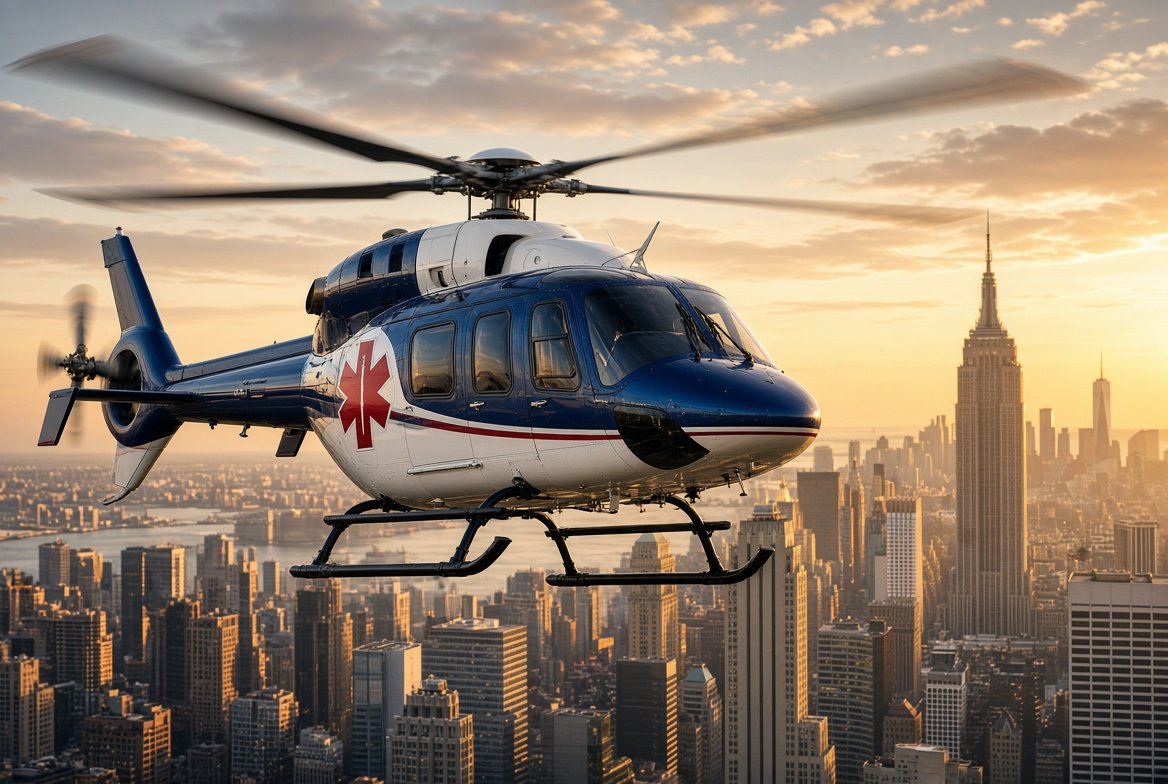
Rotary wing aircraft have long played a vital role in the complex transportation and operational landscape of New York. From the dense urban corridors of Manhattan to the outer boroughs and surrounding metropolitan areas, helicopters provide a uniquely flexible solution when ground transportation is constrained by traffic, geography, or time-sensitive demands. Rotary wing service in New York encompasses a wide range of professional aviation activities that rely on the vertical takeoff and landing capabilities of helicopters, enabling rapid point-to-point movement across the region’s challenging airspace and infrastructure.
The demand for reliable rotary wing operations continues to grow as businesses, medical providers, government agencies, and private individuals seek efficient alternatives to traditional surface travel. New York’s unique combination of high population density, major financial centers, extensive waterways, and limited landing infrastructure makes helicopters particularly valuable. Whether supporting emergency medical transfers, corporate travel, aerial observation, or specialized support missions, rotary wing platforms offer speed and access that fixed-wing aircraft and ground vehicles cannot match in many scenarios.
Understanding Rotary Wing Operations in the New York Region
Rotary wing service refers to the use of helicopters for commercial, emergency, and specialized missions. Unlike fixed-wing aircraft that require runways, helicopters can operate from heliports, rooftops, temporary landing zones, and even vessels when properly equipped and authorized. In New York, this capability is especially important given the limited number of suitable fixed-wing airports close to key business and residential districts. Helicorts located near the Hudson River, East River, and other strategic points allow operators to connect passengers and cargo quickly between Manhattan, Long Island, New Jersey, Connecticut, and beyond.
Professional rotary wing operations in the area adhere to strict Federal Aviation Administration regulations, including specific rules governing urban flight paths, noise abatement, and altitude restrictions over populated areas. Pilots and operators must maintain high levels of training and equipment standards to navigate the complex Class B airspace surrounding major airports such as John F. Kennedy International, LaGuardia, and Newark Liberty. These operational realities require experienced crews who understand both the technical demands of helicopter flight and the unique airspace environment of the New York metropolitan area.
Key Applications of Helicopter Services Across New York
One of the most critical uses of rotary wing service involves emergency medical transport. When time is essential for patient care, helicopters can transfer individuals from accident scenes, smaller medical facilities, or remote locations to major trauma centers and specialized hospitals throughout the region. The ability to land near hospitals or designated medical helipads significantly reduces transport times compared with ambulance routes that must contend with congested city streets and bridges.
Corporate and executive transportation represents another major segment of rotary wing activity. Business leaders and professionals frequently use helicopter charters to move between offices in Manhattan, meetings in surrounding suburbs, or connections to regional airports. This form of travel minimizes the impact of traffic delays and allows schedules to remain productive even during peak commuting hours. Similarly, private individuals and high-profile clients rely on rotary wing service for discreet and efficient travel within and beyond the city.
Aerial observation and specialized support missions also form an important part of the service landscape. These can include infrastructure inspection, news gathering, film and photography work, environmental monitoring, and support for large public events. Helicopters provide elevated vantage points and the ability to hover or move slowly over target areas, capabilities that fixed-wing aircraft cannot easily replicate. In addition, certain government and public safety agencies utilize rotary wing platforms for law enforcement, search and rescue coordination, and disaster response when conditions require rapid aerial access.
Operational Considerations and Regional Advantages
Operating rotary wing aircraft in New York demands careful attention to weather, visibility, and seasonal conditions. The region experiences a full range of weather patterns, from summer thunderstorms to winter snow and icing risks. Professional operators maintain rigorous maintenance programs and pilot proficiency standards to ensure flights can be conducted safely when conditions allow. Advanced avionics, weather radar, and communication systems help crews make informed decisions and coordinate effectively with air traffic control.
The geographic advantages of helicopter travel in the New York area are substantial. Crossing the Hudson or East River by air can take minutes rather than the much longer times required by road or ferry. Connections to destinations in the Hamptons, the Hudson Valley, or neighboring states become far more practical when rotary wing service is available. For time-sensitive cargo or personnel movements, the same efficiency applies, supporting industries that value speed and reliability.
Safety remains the foundation of all professional rotary wing operations. Operators follow established maintenance schedules, crew resource management practices, and operational control procedures designed to minimize risk. Passengers and clients benefit from aircraft that meet current certification standards and crews who undergo recurrent training specific to the missions they fly. In an environment as busy as New York’s airspace, these practices are essential for consistent and responsible service delivery.
Choosing Professional Rotary Wing Support
When selecting rotary wing service in New York, clients typically evaluate factors such as aircraft availability, crew experience, operational reliability, and the ability to meet specific mission requirements. Different helicopters offer varying passenger capacities, range, and performance characteristics, so matching the aircraft to the intended use is important. Some missions prioritize speed and range, while others emphasize quiet operation or the ability to land in confined areas.
Coordination with local heliports and air traffic authorities forms another practical consideration. Experienced operators maintain established relationships and operational procedures that streamline flight planning and execution. This background knowledge helps reduce delays and ensures compliance with the many layers of regulation that govern flights over and around the city.
Vantage Air Support provides professional rotary wing service tailored to the demands of the New York region, combining experienced crews with suitable aircraft to support a range of client needs.
FAQs
What types of missions can rotary wing aircraft support in New York?
Rotary wing platforms are commonly used for emergency medical transport, executive and private charter travel, aerial photography and filming, infrastructure inspection, and various support roles for public events or specialized operations.
How does helicopter travel compare with ground transportation in the New York area?
In many cases, helicopter flights significantly reduce travel time by avoiding road congestion, bridge delays, and the need to navigate surface routes. Trips that might take an hour or more by car can often be completed in a fraction of that time when weather and airspace conditions permit.
Are there restrictions on where helicopters can land in New York?
Yes. Landings are generally limited to authorized heliports, designated landing zones, and other locations approved under applicable regulations. Operators must obtain necessary clearances and follow established procedures for any non-standard landing sites.
What factors influence the scheduling of rotary wing flights?
Weather conditions, airspace availability, aircraft maintenance status, and crew duty time limitations all play roles in determining when flights can operate. Professional operators monitor these variables closely and communicate with clients regarding any necessary adjustments.
Is rotary wing service available for both daytime and nighttime operations?
Many professional operators are equipped and certified for night operations, subject to weather minimums, aircraft capabilities, and regulatory requirements. Night flights typically involve additional training and equipment standards for crews and aircraft.