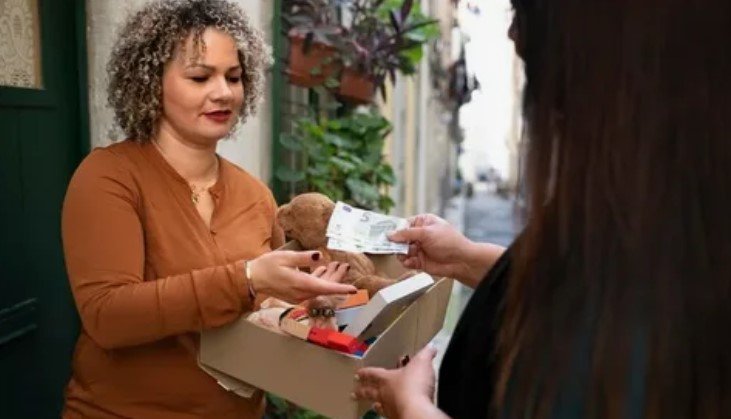
Zakat is one of the five pillars of Islam, and it’s basically Allah’s way of making sure wealth keeps moving and the ummah looks after each other. When we talk about zakat support for widows, we’re banging on about one of the most important groups mentioned in the Qur’an itself. Widows, especially those with kids and no breadwinner, are literally top of the list when it comes to who zakat can (and should) go to.
Surah At-Tawbah (9:60) spells it out clear as day: zakat is for the poor, the needy, those employed to collect it, to attract hearts, for freeing slaves, for those in debt, in the cause of Allah, and the traveller… and right there near the top – the fuqara and masakin (the poor and the destitute). Scholars pretty much all agree that widows with no proper income fall straight into that category, no ifs or buts.
Why Widows Are a Priority for Zakat
Let’s be real – losing your husband is proper heartbreaking, but on top of the emotional side, loads of sisters suddenly find themselves skint overnight. In many Muslim communities, especially back home in Pakistan, Bangladesh, Somalia, Syria, Yemen, you name it, women don’t always have their own income or inheritance sorted. The kids need feeding, rent’s due, school fees are piling up, and there’s no bloke bringing in a wage anymore.
That’s when zakat steps in like a lifeline. The Prophet (peace and blessings be upon him) said, “The one who looks after the widow and the poor is like the one who strives in the way of Allah, or like the one who stands in prayer at night and fasts during the day.” (Bukhari & Muslim). That hadith alone should make every one of us sit up and think, “Rah, I need to sort this.”
Who Actually Qualifies as a “Widow” for Zakat Purposes?
Not every widow automatically gets zakat, let’s not get it twisted. Islamic law is fair but strict. If the sister is loaded – big house, fat savings account, kids sending money home every month – then she doesn’t qualify, simple as.
Zakat is only for those who are properly poor or in hardship. The cutoff point is basically the nisab – if her wealth (after basic needs) is below the current nisab amount (roughly £4,500-£5,000 in the UK depending on gold/silver price in 2025), then yeah, she can receive zakat no problem.
Also, age matters sometimes. A young widow who’s fit and able to work might be encouraged to get a job rather than live off zakat long-term, but if she’s got little kids or health issues, then supporting her is basically mandatory on the community. Old widows, the ones we call “aunties with no one left, are an absolute priority. May Allah protect them all.
Different Ways to Give Zakat to Widows
You’ve got a few options, innit:
- Direct cash – safest and most flexible. Hand her the money (or bank transfer these days) and she decides what’s most urgent – food, rent, medical bills, kids’ uniforms.
- Monthly support – loads of proper charities set up regular payments so the widow isn’t stressing every month. Feels more like a salary and gives her dignity.
- One-off big help – paying off her rent arrears, buying a sewing machine so she can start a little business, or covering an operation.
- Orphan sponsorship that includes the mum – because most widows have kids, many “orphan” funds actually support the whole household.
In the UK, registered charities like Muslim Aid, Islamic Relief, Human Appeal, Penny Appeal, Orphans in Need, and smaller local ones all have specific widow projects. They do the admin, make sure the money reaches proper needy widows (often abroad but also here in Britain), and you get a certificate for your zakat records. Dead easy.
Can You Give Your Zakat to a Widow in Your Own Family?
100% yes! In fact, many scholars say it’s even better because you know the situation is genuine. You can give to your mum if she’s widowed and struggling (though most of us would just look after our mums anyway without calling it zakat), your sister, auntie, cousin, whoever – as long as they qualify as poor. The only people you can’t give zakat to are your parents, grandparents, kids, grandkids, and your husband/wife. Everyone else in the family is fair game.
Zakat al-Fitr and Widows
Don’t sleep on Zakat al-Fitr either! That £5-£7 you give at Eid (per person in the house) can also go to widows. Many masjids collect it and distribute food packs or shopping vouchers to local struggling widows and their kids just before Eid so they can have a proper celebration too. Little thing, massive difference.
Common Mistakes People Make
- Giving sadaqah and calling it zakat – sadaqah is extra, zakat has rules.
- Thinking “she’s got a roof over her head, she’s alright” – bruv, rent and bills still need paying.
- Sending money to a random GoFundMe without checking if the person actually qualifies for zakat.
- Forgetting widows here in the UK – we’ve got thousands of Muslim widows in London, Birmingham, Manchester living hand-to-mouth on benefits or zero-hour contracts.
FAQs
Can a widow use zakat money to pay off her debts?
Yes, as long as the debt isn’t from haram stuff (like interest or gambling). Debt relief is literally one of the eight categories.
My friend’s mum is a widow but her sons are working. Can she still get zakat?
If the sons are genuinely unable to support her properly (low wages, their own families, etc.) then yes. It’s about her actual financial situation, not just whether she has sons.
Is it better to give zakat to one widow for the whole year or spread it?
Both are fine. Some people pick one or two widows and give monthly – that stability is golden. Others split it between more people. Whatever your heart is at peace with.
Can I give my zakat to a non-Muslim widow?
For zakat – generally no, zakat is for Muslims only. But you can give normal charity (sadaqah) to anyone.
What if the widow starts a small business with the zakat money and makes profit?
That’s actually the dream! Once she’s above nisab and stable, she stops receiving zakat and starts paying it herself one day, in sha Allah.