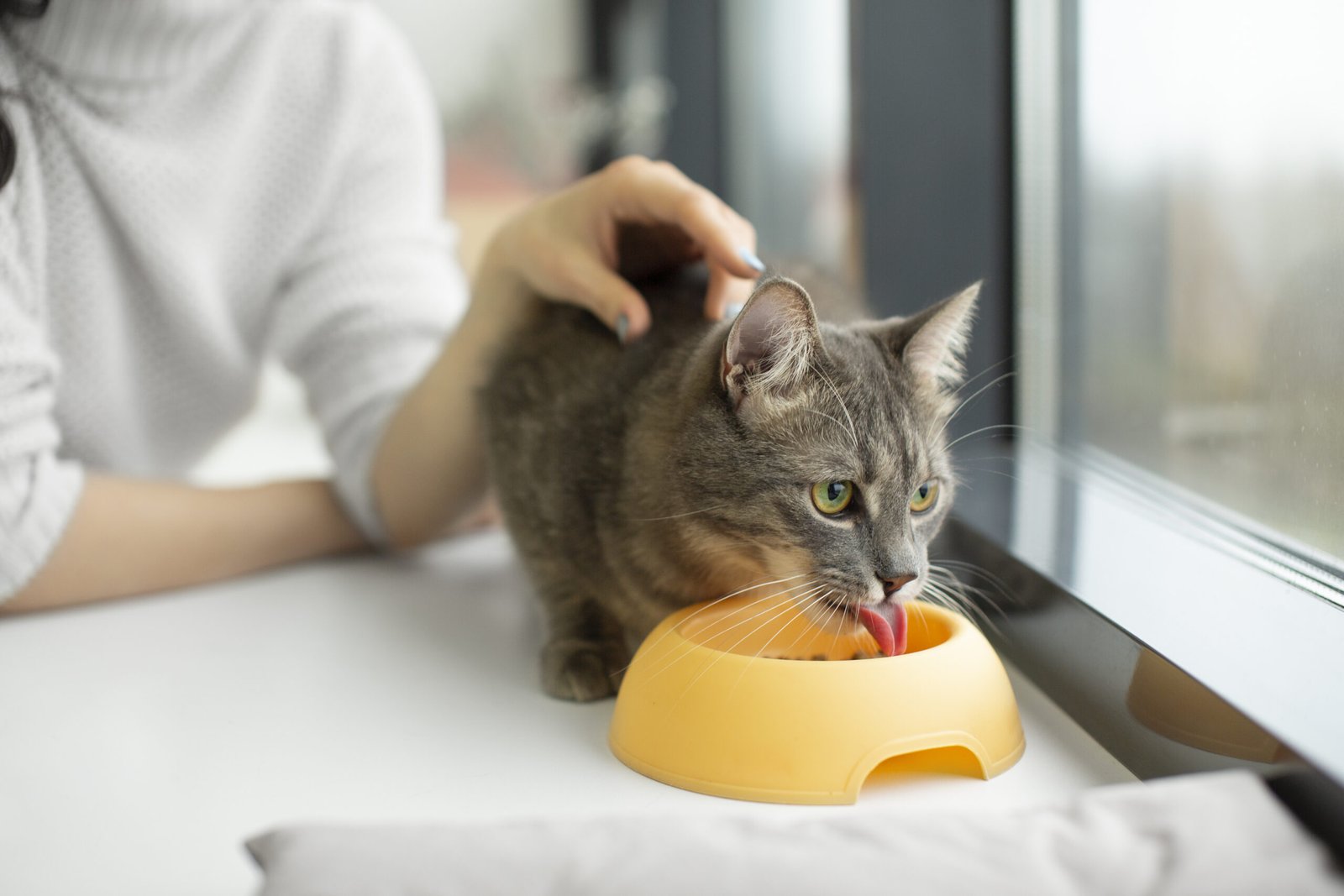
If there’s one thing you and your pet can agree on, it’s that visiting the vet isn’t exactly a thrilling experience. Pets dread the unfamiliar smells, strange noises, and those tiny, terrifying needles. Owners, meanwhile, often dread the vet bills and the worry that comes with seeing their beloved companion uncomfortable or unwell.
The good news? While regular veterinary checkups are essential, many aspects of pet care can be safely managed at home. Having the right animal health products on hand can make everyday care easier, help you spot problems early, and support your pet’s overall well-being.
However, not all products are created equal. Some are safe for everyday use at home, like grooming tools, first-aid supplies, and certain supplements. Others are powerful or prescription-only and should never be used without a veterinarian’s guidance, such as strong medications, expectorants, or emergency treatments like dextrose.
In this guide, we’ll help you:
- Know which OTC products are safe to keep and use at home
- Recognize the items that are vet-only and potentially dangerous if misused
- Use both types of products wisely to keep your pet happy, healthy, and safe
Think of this as a friendly roadmap for your home pet care kit: everything you need to safely manage minor health concerns, and clear guidance on when it’s time to call the vet.
1. Grooming Essentials for Skin and Coat Health
Grooming is a key part of their health. Brushing, bathing, and nail care help prevent skin problems, reduce shedding, and even give you a chance to notice lumps, bumps, or rashes early.
What to keep on hand (safe OTC):
- Pet-safe shampoo and conditioner – Humans aren’t pets! Our products can irritate their skin. For sensitive or allergy-prone pets, look for medicated or hypoallergenic formulas. Your vet can help you choose the right one.
- Brushes and combs – Different coat types need different tools. A few minutes of brushing reduces tangles, keeps hair healthy, and improves circulation.
- Nail clippers or grinders – Long nails can be painful and affect how your pet walks. Keep some styptic powder nearby for minor nicks.
- Ear-cleaning solution – Especially for floppy-eared breeds, gentle OTC cleaners can help prevent wax buildup and infections.
Vet Only:
- Persistent itching, hair loss, redness, or infections may require prescription shampoos, medicated creams, or oral treatments.
2. Vitamins and Supplements: Helpful but Not Harmless
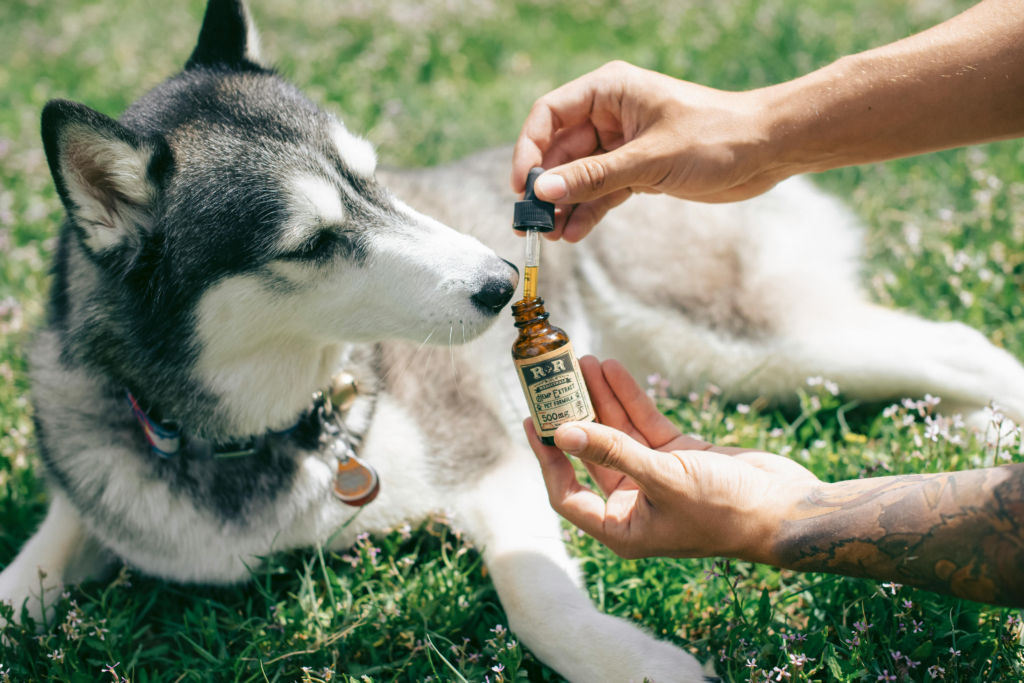
The supplement aisle can be overwhelming. Joints, coats, digestion—there seems to be a pill or chew for everything! While some supplements are helpful, they aren’t one-size-fits-all.
What to keep on hand (safe OTC):
- Joint support with glucosamine and chondroitin
- Omega-3 fatty acids for skin and coat health
- Probiotics to help digestion
- Multivitamins if your pet has nutritional gaps
Vet Only:
- Supplements containing high doses of vitamins, minerals, or combinations of multiple products may require veterinary guidance to avoid toxicity.
3. Parasite Prevention Products
Fleas, ticks, and other parasites aren’t just annoying—they can make your pet sick. Many OTC animal health products can help, but not all are safe or effective for every pet.
What to keep on hand (safe OTC):
- Flea and tick shampoos
- Topical spot-on treatments
- Collars
- Environmental sprays for bedding and carpets
Vet Only:
- Strong prescription flea/tick preventatives
- Heartworm or internal parasite medications that require dosing by species, size, or risk factors
- Products designed for other species (dog products can be deadly to cats)
4. First-Aid Kit Essentials for Pets
A basic pet first-aid kit is a lifesaver for minor injuries or emergencies.
What to keep on hand (safe OTC):
- Gauze pads and non-stick bandages
- Adhesive tape or self-adhesive wrap
- Antiseptic wipes or pet-safe wound spray
- Digital thermometer
- Tweezers for splinters or ticks
- Saline solution for flushing wounds or eyes
Vet Only:
- Deep wounds, burns, bites, infections, or persistent bleeding require professional care. Avoid using human medications like antibiotic ointments or painkillers at home.
5. Dental Care Products
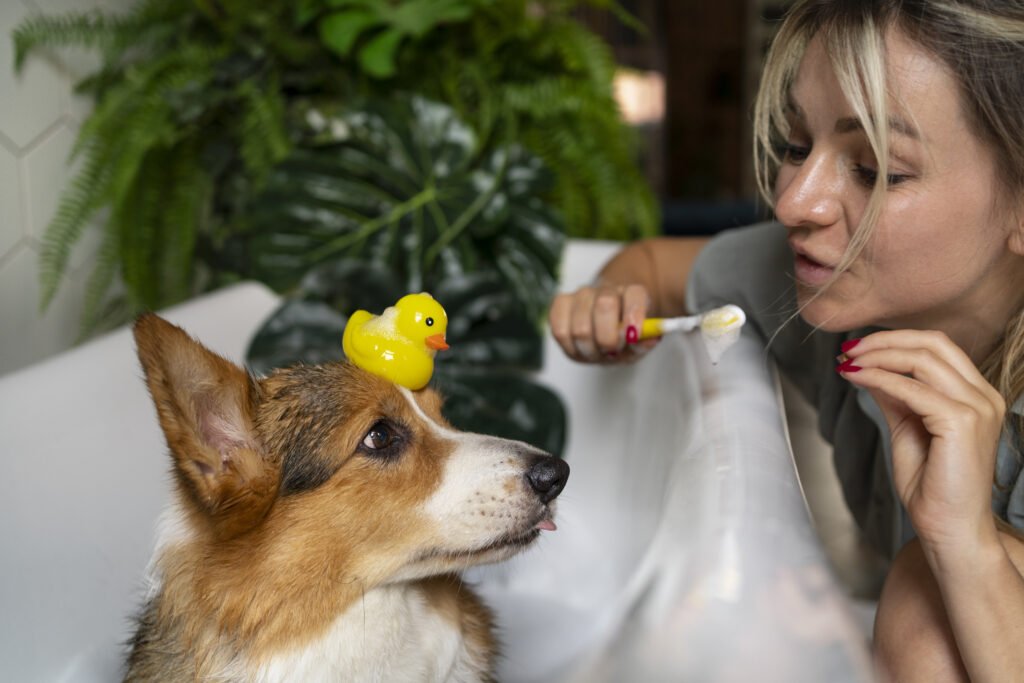
Dental disease is surprisingly common in pets, yet often overlooked. OTC products can help prevent plaque and keep teeth healthy.
What to keep on hand (safe OTC):
- Pet toothbrushes and toothpaste
- Dental chews
- Water additives
- Dental wipes
Vet Only:
- Severe dental disease, tooth extraction, oral infections, or prescription dental pastes must be handled by a veterinarian.
6. Eye and Paw Care Products
Minor eye discharge, dry paw pads, or cracked skin can sometimes be managed with OTC products.
What to keep on hand (safe OTC):
- Sterile eye rinses for dust or mild irritation
- Paw balms for protection
- Protective booties for rough terrain or injuries
Vet Only:
- Eye medications for infections, redness, or ulcers
- Prescription ointments for severe paw injuries
- Any human eye drops or creams (toxic to pets)
Why Vet Consultation Still Matters
OTC products are helpful, but not a replacement for professional care. Pets react differently based on age, breed, size, and health conditions. Even minor symptoms can hide serious problems.
A vet can help you:
- Avoid unsafe or toxic products
- Choose effective, evidence-based options
- Prevent overdosing or harmful interactions
- Catch health issues early
Rule of thumb: Use OTC products for minor support—but let your vet guide anything prescription-only, potent, or potentially harmful.
Home Pet Care Meets Vet Expertise

Having the right OTC animal health products at home makes caring for your pet easier and more proactive. Grooming tools, first-aid supplies, dental care items, and safe supplements all have their place. The key is using them wisely and keeping your vet in the loop.
Caring for your beloved pet is all about informed choices, small daily efforts, and knowing when to seek expert advice. Your furry friend will thank you with wagging tails, purrs, or happy chirps!
Author Bio: Carmina Natividad is a daytime writer for Abbey Labs, an Australian company that offers reliable animal health solutions to support the well-being of pets and livestock. She loves creating easy-to-read content about animal care, veterinary tips, and the latest solutions that help animals live healthier lives.