Learning to drive is a milestone. It’s exciting. It’s nerve-racking. And for many families, it’s the first real test of trust between parents and teens.
So here’s a simple question: What if there were a guide that didn’t just teach driving—but taught responsibility, awareness, and confidence too?
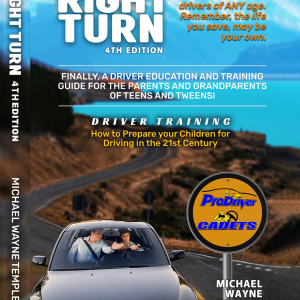
That’s exactly what Right Turn aims to do. Written by Michael Templeton, this practical and relatable guide has quickly become a trusted resource for families navigating the sometimes stressful road to a driver’s license.
Driving isn’t just about steering and braking. It’s about judgment. It’s about decision-making. It’s about knowing that one small mistake can change everything. And that’s why this book stands out—it doesn’t just teach teens how to pass a test. It teaches them how to think behind the wheel.
1. The Real Challenges Teen Drivers Face
Let’s be honest—being a teen driver today isn’t easy.
There are distractions everywhere. Smartphones buzz. Friends talk loudly. Music plays. Social pressure creeps in. And then there’s simple inexperience.
Teen drivers statistically face higher accident risks, not because they don’t care, but because they lack experience and often underestimate danger. Imagine being handed the controls to a machine that weighs thousands of pounds and moves at high speed. That’s not small responsibility.
“Right Turn” addresses these challenges head-on. It doesn’t sugarcoat the risks, but it also doesn’t scare teens into paralysis. Instead, it explains situations clearly and shows how to handle them calmly.
2. What Makes “Right Turn” Different?
There are countless driver education books out there. So what sets Right Turn apart?
It speaks like a human.
Rather than using heavy technical language, the book uses relatable examples. It feels less like a lecture and more like a conversation. You don’t feel talked down to—you feel guided.
It balances authority with empathy.
Teens don’t respond well to fear-based messaging alone. And parents don’t want vague reassurance. “Right Turn” bridges that gap. It explains consequences honestly while empowering readers with practical strategies.
It’s written for families—not just students.
Many driver education resources focus only on the teen. This guide encourages family discussions, shared expectations, and mutual accountability.
3. Understanding Risk: The Teen Brain and Driving
Have you ever wondered why teens sometimes make risky choices—even when they know better?
It’s not about intelligence. It’s about development.
The teenage brain is still developing areas responsible for impulse control and long-term decision-making. “Right Turn” explains this in simple, understandable terms. It helps teens see that awareness is power.
Rather than saying, “Don’t take risks,” the book explains:
- Why peer pressure matters
- How adrenaline influences decisions
- Why overconfidence can creep in
It’s like learning the rules of a game before playing it. Once you understand how your brain works, you can make better choices behind the wheel.
4. Building Confidence Without Overconfidence
Confidence is essential for safe driving. But overconfidence? That’s dangerous.
“Right Turn” makes a clear distinction between the two.
Healthy Confidence
- Comes from practice
- Grows with experience
- Accepts mistakes as learning moments
Overconfidence
- Assumes “nothing will happen to me”
- Ignores small risks
- Skips safety precautions
Think of driving like learning to swim. You wouldn’t dive into the deep end without lessons. The same logic applies here.
The book encourages steady skill-building, helping teens understand that mastery takes time.
5. Communication Between Parents and Teens
Let’s talk about the elephant in the room: tension.
Driving lessons can strain even the best relationships. Parents worry. Teens feel judged. Frustration rises.
“Right Turn” offers communication tools that actually work.
For Parents:
- Set clear expectations early
- Model safe driving behavior
- Stay calm during mistakes
For Teens:
- Ask questions
- Admit uncertainty
- Respect feedback
The guide reminds families that they’re on the same team. Driving becomes less of a battleground and more of a shared journey.
6. Defensive Driving Made Simple
Defensive driving sounds technical—but it’s really about awareness.
The book breaks it down into manageable concepts:
- Always scan ahead
- Expect the unexpected
- Keep safe following distances
- Avoid blind spots
It uses real-life examples. What do you do if someone suddenly brakes? What if weather conditions change quickly?
Instead of overwhelming readers with long checklists, “Right Turn” simplifies defensive driving into habits anyone can remember.
7. The Emotional Side of Driving
Driving isn’t just physical—it’s emotional.
Have you ever driven while angry? Or distracted by a bad day? Emotions can quietly affect reaction times and judgment.
This guide encourages teens to recognize their emotional state before getting behind the wheel.
It asks simple but powerful questions:
- Am I calm enough to drive?
- Am I rushing?
- Am I trying to impress someone?
That self-awareness alone can prevent countless risky decisions.
8. Practical Scenarios That Feel Real
One of the strengths of “Right Turn” is how it uses scenarios.
Instead of abstract warnings, it presents relatable situations:
- A friend urging you to speed
- Driving at night for the first time
- Navigating heavy rain
- Handling unexpected road construction
These scenarios make the lessons stick. It’s like rehearsing for real life before it happens.
And because the examples feel realistic, teens can picture themselves in those moments.
9. Creating Lifelong Safe Habits
Passing the driving test isn’t the finish line—it’s just the beginning.
“Right Turn” focuses on habit-building:
- Buckling up every time
- Checking mirrors automatically
- Putting phones away without hesitation
- Planning routes in advance
Habits are powerful. Once they’re automatic, they require less mental effort.
The book encourages teens to treat safe driving like brushing their teeth—non-negotiable and routine.
10. Preparing for the Driving Test—and Beyond
Yes, the book helps with test preparation. It covers:
- Parallel parking tips
- Lane changes
- Proper signaling
- Understanding traffic signs
But it doesn’t stop there.
It reminds readers that real-world driving includes unpredictable drivers, sudden weather shifts, and unexpected obstacles.
The driving test measures competence. Life measures judgment.
“Right Turn” prepares teens for both.
11. Why Families Trust Michael Templeton
Parents often ask, “Who wrote this—and why should I trust them?”
Michael Templeton writes with authority, but also compassion. His approach shows a clear understanding of both teen psychology and road safety principles.
What makes his work resonate is balance. He doesn’t exaggerate risks to frighten readers. He explains them logically. That builds trust.
And trust is essential when you’re discussing something as serious as driving safety.
12. How “Right Turn” Fits Into Modern Driver Education
Driver education has changed over the years.
There are apps, simulators, online courses, and video tutorials. While these tools are helpful, they sometimes lack depth in emotional awareness and family involvement.
“Right Turn” complements modern learning tools by adding:
- Reflection exercises
- Discussion prompts
- Real-world mindset preparation
It’s not replacing formal education—it’s strengthening it.
Think of it as the difference between knowing how to operate a car and understanding how to be a responsible driver.
13. The Long-Term Impact on Teen Safety
Safe driving habits formed early often last a lifetime.
When teens internalize responsibility from the beginning, they carry that awareness into adulthood.
The long-term benefits include:
- Fewer traffic violations
- Lower accident risk
- Reduced insurance costs
- Greater confidence in challenging conditions
More importantly, it creates a mindset of accountability.
Driving is freedom—but it’s also responsibility. “Right Turn” helps teens embrace both sides of that coin.
14. Why Every Household with a Teen Driver Needs This Book
If you have a teen approaching driving age, you already know the mix of excitement and anxiety that comes with it.
You want them to experience independence. But you also want them safe.
“Right Turn” serves as a roadmap—not just for navigating roads, but for navigating conversations, responsibilities, and real-world decisions.
It’s like having a calm, experienced co-pilot in the passenger seat, guiding both teen and parent through each turn.
And when it comes to something as serious as road safety, having that extra guidance isn’t optional—it’s essential.
Conclusion
Learning to drive marks a major life transition. It represents independence, growth, and trust. But it also carries risk.
“Right Turn” by Michael Templeton stands out because it addresses both the technical and emotional sides of driving. It speaks to teens in a way they understand and offers parents the reassurance they need.
More than just a driver education guide, it’s a family resource. It builds communication, awareness, and lifelong habits. And in a world filled with distractions and fast-paced change, those qualities matter more than ever.
When you think about it, driving safely isn’t just about making the right turn at an intersection. It’s about making the right choices every time you get behind the wheel.
FAQs
1. What age group is “Right Turn” best suited for?
The book is ideal for teens preparing to get their learner’s permit or driver’s license, typically ages 15–18, but it’s also helpful for parents guiding them.
2. Does “Right Turn” replace formal driver education classes?
No. It complements formal classes by adding mindset training, family communication tools, and practical real-world scenarios.
3. How does Michael Templeton address teen risk-taking behavior?
He explains the science behind teen brain development and offers practical strategies for managing impulses, peer pressure, and emotional reactions while driving.
4. Can parents benefit from reading “Right Turn” too?
Absolutely. The book includes communication tips and shared responsibility strategies that strengthen parent-teen relationships during the learning process.
5. Is “Right Turn” helpful even after a teen gets their license?
Yes. Its focus on lifelong habits, defensive driving, and emotional awareness makes it valuable long after the driving test is passed.