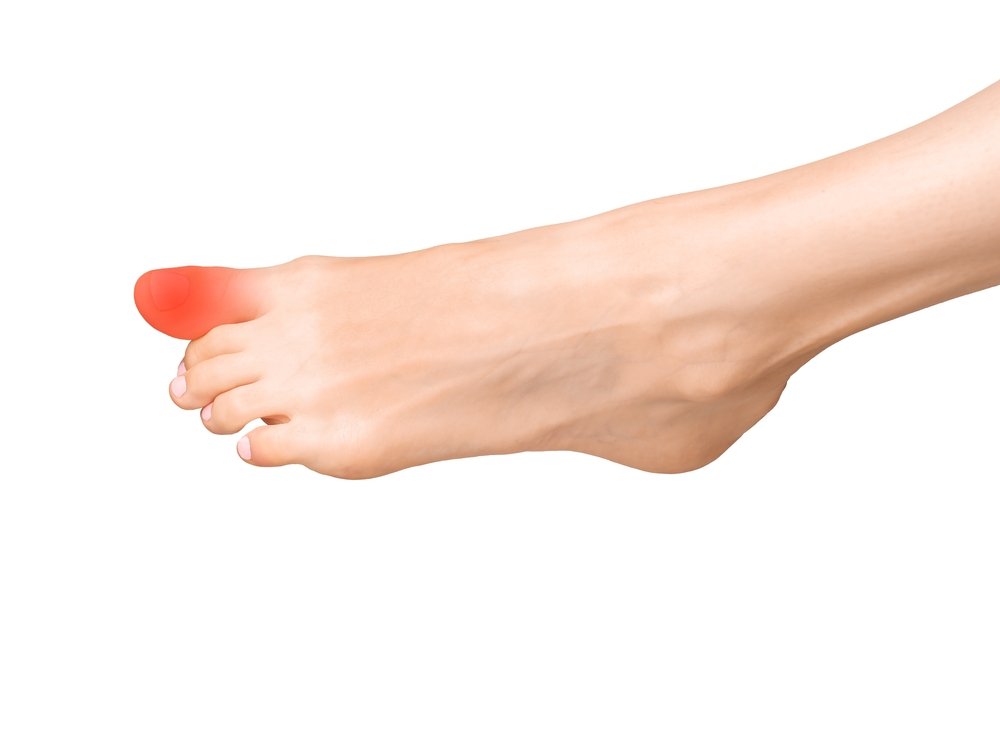
Toe pain can range from a minor annoyance to a debilitating condition that affects your daily activities. Whether you’re experiencing sharp pain in your big toe joint, throbbing discomfort in the ball of the foot, or persistent aching across multiple toes, understanding the underlying cause is the first step toward effective treatment.
As a podiatrist, I’ve treated countless patients asking, “Why does my toe hurt?” The answer varies significantly depending on symptoms, location, and contributing factors. This guide explores the most common causes of toe pain and helps you determine when professional evaluation becomes necessary.
Key Takeaways
Multiple conditions cause toe pain: From arthritis and gout to structural problems and injuries, identifying the specific cause requires understanding your symptoms and when they occur.
Location matters: Pain at the base of the big toe often indicates different conditions than pain in smaller toes or across the ball of the foot.
Conservative treatment works for most cases: Many toe pain conditions respond well to rest, proper footwear, and home care measures before requiring advanced intervention.
Professional evaluation prevents complications: Persistent pain and swelling, difficulty bearing weight, or symptoms affecting your quality of life warrant examination by foot and ankle specialists.
Common Causes of Toe Pain
Gout: The Sudden Onset of Big Toe Pain
Gout represents one of the most dramatic causes of toe pain. This inflammatory arthritis results from elevated uric acid levels in the blood, leading to crystal formation in joints. The big toe joint becomes the primary target in approximately 50% of initial gout attacks.
Characteristic symptoms include:
- Intense pain that often begins at night
- Severe swelling and redness around the affected joint
- Warmth and tenderness that make even light pressure unbearable
- Limited range of motion in the big toe
Risk factors for gout include a diet high in purines, obesity, certain medications, and family history. While acute attacks can resolve within days or weeks, untreated gout leads to recurring episodes and potential joint damage.
Arthritis: Progressive Joint Deterioration
Both osteoarthritis and rheumatoid arthritis commonly affect toe joints. Osteoarthritis develops through wear and tear over time, particularly in the big toe joint, where significant force concentrates during walking. Rheumatoid arthritis, an autoimmune condition, often affects multiple toe joints simultaneously.
Arthritis typically causes:
- Morning stiffness that improves with movement
- Gradual onset of pain rather than sudden symptoms
- Visible joint swelling or bony enlargements
- Decreased flexibility and range of motion
The progressive nature of arthritis means early intervention provides the best outcomes. Conservative treatment, including proper footwear, activity modification, and anti-inflammatory measures, can significantly slow progression and maintain quality of life.
Bunions: Structural Deformity at the Base of the Big Toe
A bunion develops when the big toe angles toward the second toe, creating a prominent bump at the base of the big toe. This structural problem often runs in families but can be aggravated by wearing tight shoes or high heels that compress the forefoot.
Bunion pain typically presents as:
- Aching or soreness at the affected joint
- Inflammation and swelling around the bony prominence
- Difficulty finding comfortable footwear
- Calluses or corns developing due to abnormal pressure
While bunions don’t resolve without surgical correction, conservative measures can manage symptoms effectively. Proper shoe selection, padding, orthotics, and avoiding high-impact activities help many patients avoid surgery while maintaining active lifestyles.
Hammertoe: Bent Toe Deformities
Hammertoe occurs when the middle joint of a toe bends abnormally, creating a claw-like appearance. This condition commonly affects the second, third, and fourth toes, often developing due to muscle imbalance, wearing tight footwear, or as a complication of other foot problems.
Pain from hammertoe stems from:
- Pressure on the bent joint when wearing shoes
- Corn or callus formation at pressure points
- Difficulty straightening the affected toe
- Pain when walking or participating in daily activities
Early-stage hammertoes remain flexible and respond well to conservative treatment. Exercises, proper footwear with adequate toe box space, and padding can prevent progression. Advanced cases with rigid deformities may require surgical intervention to restore normal toe alignment.
Metatarsalgia: Pain in the Ball of the Foot
Metatarsalgia describes pain and inflammation in the ball of the foot, the area just behind the toes. This condition often develops from high-impact activities, wearing high heels, or structural abnormalities that increase pressure on the metatarsal bones.
Symptoms include:
- Sharp, burning pain in the ball of the foot
- Sensation of walking on pebbles or having something in your shoe
- Increased pain when standing, walking, or running
- Numbness or tingling in the toes
Rest, ice, proper footwear, and activity modification typically resolve metatarsalgia. Orthotics that redistribute pressure across the foot provide significant relief for many patients. Physical therapy strengthens foot muscles and improves biomechanics to prevent recurrence.
Toe Injuries: Fractures, Sprains, and Trauma
Acute injuries from stubbing your toe, dropping objects on your foot, or sports-related trauma cause immediate onset of foot pain. Fractures, sprains, and contusions present with varying severity depending on the nature of the injury.
Signs of serious toe injury include:
- Immediate, severe pain following trauma
- Visible deformity or abnormal toe position
- Inability to bear weight on the affected foot
- Rapid swelling and bruising
While minor toe injuries heal with rest and ice, fractures require proper evaluation to ensure correct alignment and prevent complications. Delaying treatment for significant injuries can lead to chronic pain, deformity, and long-term functional problems.
When to Seek Professional Care
While many cases of toe pain respond to conservative home treatment, certain symptoms indicate the need for professional evaluation by board-certified foot and ankle specialists:
- Severe pain that prevents weight-bearing or walking
- Pain and swelling that persists beyond a few days despite rest and ice
- Visible deformity, open wounds, or signs of infection
- Numbness, tingling, or color changes in the affected toe
- Symptoms that significantly impact your quality of life or daily activities
- History of diabetes or circulation problems
Early evaluation allows for accurate diagnosis and timely treatment, preventing minor problems from becoming chronic conditions. Podiatrists possess specialized training in diagnosing and treating all forms of toe pain, from common conditions to complex cases requiring advanced intervention.
Treatment Options for Toe Pain
Conservative Treatment Approaches
Most toe pain conditions initially respond to conservative treatment measures:
Rest and Activity Modification: Reducing activities that aggravate symptoms allows inflammation to resolve and tissues to heal. This doesn’t mean complete inactivity, but rather choosing lower-impact alternatives during recovery.
Proper Footwear: Shoes with adequate toe box space, good arch support, and cushioning reduce pressure on painful areas. Avoiding wearing high heels and tight shoes prevents many toe problems from developing or worsening.
Ice and Elevation: Applying ice for 15-20 minutes several times daily reduces inflammation and pain. Elevating the affected foot above heart level helps decrease swelling.
Padding and Orthotics: Custom orthotics redistribute pressure across the foot, while padding protects painful areas from excessive force. These devices often provide significant relief for chronic conditions.
Physical Therapy: Targeted exercises strengthen foot muscles, improve flexibility, and correct biomechanical problems contributing to toe pain. Therapists also employ manual techniques to reduce inflammation and restore normal movement.
Advanced Treatment Options
When conservative measures prove insufficient, several advanced treatment options exist:
Medications: Anti-inflammatory medications, both oral and topical, can reduce pain and swelling. For conditions like gout, specific medications lower uric acid levels and prevent future attacks.
Injections: Corticosteroid injections provide targeted relief for inflammatory conditions affecting specific joints. These treatments can break the cycle of inflammation and allow other therapies to work more effectively.
Surgical Intervention: Structural problems like severe bunions or rigid hammertoes may require surgical correction. Modern techniques often allow for faster recovery and better outcomes than traditional approaches.
Conclusion
Understanding why your toe hurts requires considering multiple factors, including symptom location, onset pattern, and contributing circumstances. From gout and arthritis to structural deformities and acute injuries, each cause presents with characteristic features that guide diagnosis and treatment.
While many cases respond well to conservative treatment approaches, persistent symptoms warrant professional evaluation. Board-certified podiatrists possess the expertise to accurately diagnose toe pain conditions and develop comprehensive treatment plans that address both immediate relief and long-term prevention.
Don’t let toe pain limit your daily activities or diminish your quality of life. Early intervention typically provides the best outcomes, allowing you to return to normal function quickly. If you’re experiencing persistent toe pain, consider consulting with foot and ankle specialists who can provide expert evaluation and personalized care.



One thought on “Why Does My Toe Hurt? Understanding Common Causes of Toe Pain”
Comments are closed.