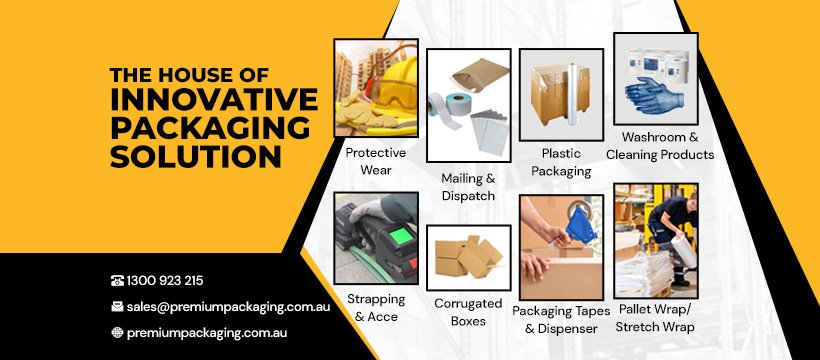
When businesses order wholesale packaging boxes, the first instinct is often to focus on price. While cost matters, size selection plays an equally important role in efficiency, protection and long-term savings. Choosing the wrong box sizes can lead to damaged goods, higher shipping fees and unnecessary waste.
Whether you run an e-commerce store, a retail business or a warehouse operation, selecting the right box dimensions is a strategic decision. Suppliers such as Premium Packaging work closely with businesses to help them choose box sizes that improve packing speed, reduce freight costs and enhance customer experience.
Here is what every business should consider when choosing the right sizes in wholesale packaging boxes.
Why Box Size Matters More Than You Think
Box size affects far more than how a product fits inside.
The right dimensions influence:
- Shipping costs
- Storage space
- Product protection
- Packing efficiency
- Customer perception
Oversized boxes increase freight charges and require excess void fill. Undersized boxes risk product damage. The goal is finding the optimal balance between protection and efficiency.
Start With Your Product Dimensions
The most important factor in choosing box size is the product itself.
Measure:
- Length
- Width
- Height
- Weight
Do not guess. Even small measurement errors can result in boxes that are too tight or too loose. Businesses that regularly update product specifications avoid over-ordering the wrong sizes.
Premium Packaging often advises clients to review their most commonly shipped items before committing to bulk box orders.
Allow for Protective Padding
Products rarely go straight into a box without protection. Bubble wrap, paper fill or foam inserts all take up space.
When calculating box size:
- Add clearance for cushioning
- Consider fragile areas
- Account for movement during transit
Boxes that are too tight can compress protective materials, reducing their effectiveness. Boxes that are too large may allow items to shift, increasing breakage risk.
Understand Freight Pricing Structures
Shipping costs in Australia are often calculated based on either weight or cubic size, whichever is greater.
Oversized packaging:
- Increases dimensional weight
- Raises freight charges
- Reduces shipping efficiency
Selecting the right box size can significantly lower transport expenses over time. Even small reductions in cubic volume can translate into meaningful savings across high shipment volumes.
Avoid Excess Void Space
Large boxes filled with excessive packing material are inefficient and environmentally wasteful.
Excess space can:
- Increase material costs
- Extend packing time
- Create a poor unboxing experience
Customers increasingly expect packaging to be practical and proportionate. A well-sized box reflects professionalism and care.
Consider Standardised Sizes for Efficiency
Many businesses benefit from standardising a small range of box sizes rather than stocking dozens of variations.
Advantages of standardisation include:
- Easier inventory management
- Faster packing processes
- Simplified storage
- Reduced ordering complexity
Premium Packaging helps businesses identify a core range of sizes that cover most shipping needs without unnecessary duplication.
Plan for Storage and Warehouse Space
Wholesale box orders take up space. Before committing to bulk quantities, consider:
- Available warehouse storage
- Stacking height limits
- Access and organisation
Flat-packed boxes are convenient, but larger sizes still require adequate space. Choosing efficient sizes that match your operational capacity prevents clutter and inefficiency.
Match Box Strength to Size
Larger boxes carrying heavy items need stronger construction. Size and strength go hand in hand.
Factors to consider:
- Single wall versus double wall
- Board thickness
- Product weight
A large box made from lightweight board may fail under pressure. Selecting the right strength ensures safe transport and reduces damage claims.
Think About Your Customer Experience
Packaging is often the first physical interaction customers have with your brand. Box size plays a role in that experience.
Well-fitted boxes:
- Look professional
- Protect products effectively
- Create a cleaner unboxing moment
Oversized packaging can appear careless, while overly tight packaging can frustrate customers.
Factor in Return Logistics
If your business allows returns, box size matters twice. The original packaging should allow customers to repack items easily.
Choosing practical, manageable box sizes:
- Reduces return damage
- Improves customer satisfaction
- Simplifies reverse logistics
Planning for returns is often overlooked when ordering wholesale boxes.
Seasonal and Product Expansion Planning
Businesses often experience seasonal spikes or introduce new product lines. Box sizing should be reviewed regularly to ensure it still aligns with current inventory.
Ask:
- Are we shipping new product shapes or sizes
- Has average order volume changed
- Do bundled products require different packaging
Periodic reviews prevent stockpiling outdated box sizes.
Balancing Bulk Savings With Flexibility
Buying in bulk reduces unit cost, but only if the sizes are correct.
Ordering large quantities of the wrong size leads to:
- Excess inventory
- Wasted storage
- Additional last-minute purchases
Working with an experienced supplier such as Premium Packaging allows businesses to balance cost savings with practical flexibility.
Sustainability Considerations
Right-sizing packaging supports sustainability goals.
Benefits include:
- Reduced material use
- Lower transport emissions
- Less waste for customers
Eco-conscious consumers increasingly notice packaging efficiency. Choosing appropriate box sizes contributes to responsible business practices.
Common Mistakes to Avoid
Businesses often make predictable errors when choosing wholesale box sizes.
Common mistakes include:
- Ordering based on price alone
- Ignoring dimensional shipping costs
- Overestimating required padding space
- Failing to test pack before bulk ordering
Testing a sample order before committing to large volumes helps identify issues early.
The Role of a Reliable Packaging Supplier
Choosing box sizes is easier when supported by an experienced supplier.
Premium Packaging assists businesses by:
- Advising on optimal dimensions
- Providing consistent quality
- Offering a practical size range
- Supporting scalable growth
A supplier who understands your products and logistics can help refine packaging strategy over time.
Creating a Scalable Packaging Strategy
As businesses grow, packaging needs evolve. A scalable strategy includes:
- Reviewing size performance regularly
- Tracking damage rates
- Monitoring freight costs
- Adjusting standard sizes as product lines expand
Wholesale packaging decisions should align with long-term operational goals rather than short-term convenience.
Final Thoughts
Choosing the right sizes in wholesale packaging boxes is not a minor operational detail. It directly impacts cost efficiency, product safety, storage capacity and customer satisfaction.
By carefully measuring products, accounting for protective materials, understanding freight structures and planning for growth, businesses can create a streamlined packaging system that supports profitability and professionalism.
Working with a trusted supplier such as Premium Packaging ensures businesses select box sizes that are practical, efficient and aligned with their operational needs. When box size is chosen strategically rather than casually, packaging becomes an asset rather than an expense.