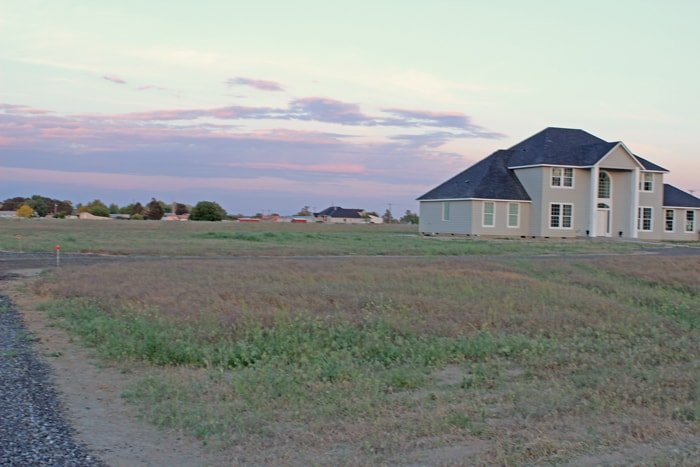
Buying land and building a home in South Australia is an exciting journey, but it’s also one that requires careful financial planning. From choosing the right location to understanding hidden costs, budgeting correctly can make the difference between a smooth experience and unexpected financial stress. Whether you’re a first-home buyer, an investor, or planning your forever home, having a clear budget strategy is essential.
In this guide, we’ll break down everything you need to know about planning your budget when purchasing and building land in SA, helping you make informed and confident decisions every step of the way.
Understanding the South Australian Property Market
Before setting a budget, it’s important to understand the broader property landscape in South Australia. SA offers a diverse range of land options, from metropolitan suburbs to growing regional hubs. Land prices can vary significantly depending on location, infrastructure, and future development plans.
Adelaide’s outer suburbs and emerging estates are particularly attractive for buyers seeking value and growth potential. Areas with planned transport upgrades, schools, and shopping precincts often provide better long-term returns. Researching market trends and median land prices will give you a realistic baseline for your budget.
Step 1: Determine Your Overall Budget Capacity
Your first step should be understanding how much you can realistically afford. This goes beyond just the purchase price of land.
Consider:
- Your savings and deposit
- Your borrowing capacity
- Ongoing living expenses
- Future lifestyle changes
Speak with a mortgage broker or financial advisor to assess your loan eligibility and repayment comfort zone. Many lenders will consider not only your income but also existing debts and financial commitments. Establishing a maximum budget early helps narrow your options and prevents overextending financially.
Step 2: Budgeting for Land Purchase Costs
When buying land in SA, the purchase price is only one part of the equation. You also need to account for additional costs such as:
- Stamp duty (depending on eligibility and concessions)
- Conveyancing and legal fees
- Land registration fees
- Soil testing and site reports
Some estates may offer incentives or stamp duty concessions for eligible buyers, especially first-home buyers. Exploring land options in planned communities such as Limestone Estate can provide clearer cost structures and long-term development certainty, making budgeting more predictable.
Step 3: Understanding Construction Costs
Building a home comes with a wide range of costs, and these can fluctuate depending on design, materials, and builder choice. When planning your budget, include:
- Base house price
- Upgrades and inclusions
- Site preparation and earthworks
- Council approvals and permits
Many buyers underestimate the cost of upgrades such as higher ceilings, premium fixtures, or energy-efficient features. While these additions enhance comfort and resale value, they should be factored into your initial budget to avoid surprises later.
Step 4: Site Costs and Land Characteristics
Not all land is created equal. The physical characteristics of your block can significantly impact your building costs.
Factors that influence site costs include:
- Soil type and reactivity
- Land slope
- Retaining walls
- Drainage requirements
A flat block with stable soil will generally cost less to build on compared to sloping or reactive land. Always request a detailed site assessment before committing to a purchase so these costs can be accurately included in your budget.
Step 5: Infrastructure and Connection Fees
New land often requires connections to essential services. These costs may not always be included in the advertised land price.
Be sure to budget for:
- Water and sewer connection
- Electricity and gas connections
- NBN or telecommunications setup
- Driveways and crossover costs
In some estates, these fees are bundled into the land price, while in others they are separate. Clarifying this early will help you avoid unexpected expenses during construction.
Step 6: Government Grants and Incentives
South Australia offers various grants and incentives that can significantly reduce your upfront costs, particularly for first-home buyers.
These may include:
- First Home Owner Grant (FHOG)
- Stamp duty concessions
- Build-to-buy incentives
Eligibility criteria can change, so it’s important to check current government guidelines or speak with a professional who understands SA property regulations. Taking advantage of these incentives can free up funds for upgrades or reduce your loan amount.
Step 7: Planning for Ongoing and Hidden Costs
A strong budget doesn’t stop at land purchase and construction. You should also plan for ongoing and post-build costs, such as:
- Landscaping and fencing
- Window coverings
- Furniture and appliances
- Council rates and utilities
- Home insurance
Many of these expenses arise immediately after handover, so having a buffer fund is essential. A good rule of thumb is to set aside an additional 5–10% of your total budget for unforeseen costs.
Step 8: Budgeting with Long-Term Value in Mind
While it’s tempting to focus on minimising costs, it’s equally important to consider long-term value. Location, design quality, and future growth potential all influence how well your investment performs over time.
Understanding why invest in property as a long-term strategy can help guide smarter budgeting decisions. Spending slightly more upfront on a well-located block or quality construction can result in stronger capital growth and lower maintenance costs in the future.
Step 9: Choosing the Right Professionals
Working with the right team can save you both time and money. A reputable builder, conveyancer, and financial advisor can help identify risks and manage costs effectively.
Look for professionals who:
- Have experience in South Australian developments
- Provide transparent pricing
- Offer fixed-price contracts where possible
Clear communication and detailed contracts reduce the likelihood of budget blowouts and disputes during the building process.
Step 10: Creating a Realistic Budget Timeline
Timing plays a major role in budgeting. From land settlement to construction completion, each stage has associated payments.
Your timeline may include:
- Initial deposit
- Progress payments during construction
- Final settlement and handover costs
Understanding when payments are due allows you to manage cash flow more effectively and ensures funds are available when needed.
Final Thoughts
Planning your budget when purchasing and building land in South Australia requires careful consideration, research, and forward thinking. By understanding the full range of costs—from land acquisition and construction to hidden and ongoing expenses—you can approach your property journey with confidence.
A well-structured budget not only protects your finances but also helps you enjoy the process of creating a home or investment that aligns with your long-term goals. Taking the time to plan thoroughly today can lead to greater financial security and peace of mind tomorrow.