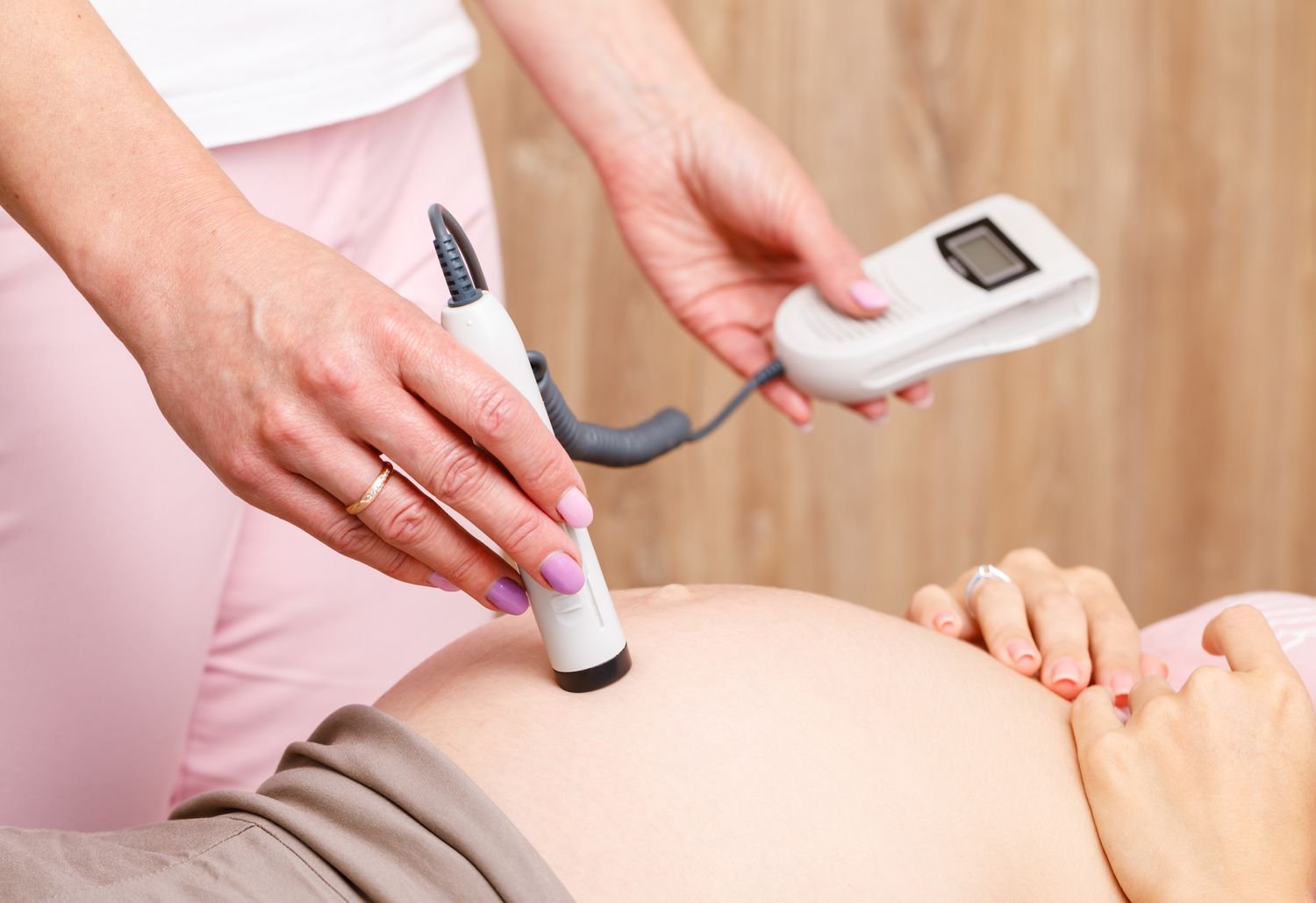
Discovering that your baby’s heart may not be developing as expected can feel overwhelming and scary for any parent-to-be. Pregnancy is a time filled with hopes, dreams, and excitement—but when doctors raise concerns about a baby’s heart health, emotions can quickly shift to worry and uncertainty.
The good news is that advances in prenatal screening, diagnostic tools, and medical treatments have made it possible to detect many heart-related conditions early and manage them effectively. In this blog, we’ll walk you through what it means if your baby’s heart isn’t developing normally, what steps you can take, and how to prepare both emotionally and practically for the journey ahead.
Understanding Fetal Heart Development
The baby’s heart begins to form very early in pregnancy—around the third week after conception. By the eighth week, most of the major structures of the heart are already in place. However, sometimes the heart doesn’t form as expected. These irregularities are known as congenital heart defects (CHDs), which are the most common type of birth defect worldwide.
CHDs range from mild (such as small holes between heart chambers) to severe (where parts of the heart are missing or underdeveloped). Many are treatable and manageable, especially when detected early.
Common Types of Heart Development Issues in Babies
Some of the more frequently diagnosed heart conditions in babies include:
- Atrial or Ventricular Septal Defect: Small holes in the heart wall that may close naturally or require surgery.
- Tetralogy of Fallot: A combination of four defects that affect blood flow.
- Hypoplastic Left Heart Syndrome: A severe condition where the left side of the heart is underdeveloped.
- Transposition of the Great Arteries: Major blood vessels are reversed, affecting oxygen flow.
- Coarctation of the Aorta: Narrowing of the main artery that carries blood to the body.
Each condition is different, but with proper diagnosis and management, many babies with CHDs go on to lead fulfilling lives.
How Are Heart Problems Detected in the Womb?
Early detection plays a vital role in ensuring your baby gets the best care possible. Doctors may recommend additional screenings and tests if they notice something unusual during routine checkups.
One advanced screening option is the NIPT Test in Chandigarh, a non-invasive prenatal test that can help identify chromosomal abnormalities linked with heart defects. This simple blood test from the mother can provide valuable insights without any risk to the baby.
In addition to NIPT, doctors may also suggest:
- Detailed ultrasounds (anomaly scans) around 18–22 weeks
- Fetal echocardiogram, a specialized ultrasound to study the baby’s heart structure and function
- Genetic counseling, if there’s a family history of heart defects
These tests help doctors build a clear picture of your baby’s heart health and plan the right course of action.
What Causes Heart Development Problems?
In most cases, it’s not possible to pinpoint one exact cause. Heart defects often occur due to a combination of genetic and environmental factors. Some possible contributors include:
- Genetic mutations or chromosomal abnormalities
- Maternal conditions such as diabetes or uncontrolled thyroid disease
- Certain infections during pregnancy (like rubella)
- Use of harmful substances such as alcohol, drugs, or tobacco
- Nutritional deficiencies, particularly folic acid
- Family history of congenital heart defects
Knowing the potential risk factors can help parents and doctors take preventive steps in future pregnancies, but it’s important to remember—most heart defects happen without any fault of the parents.
What to Expect if a Heart Problem is Found
If your baby is diagnosed with a heart condition, your care plan may shift slightly. Expect:
- More frequent monitoring: Regular ultrasounds and checkups will be scheduled to track your baby’s growth.
- Specialist care: You may be referred to a pediatric cardiologist or maternal-fetal medicine specialist.
- Delivery planning: Doctors may suggest delivering at a hospital with advanced neonatal intensive care and pediatric cardiac facilities.
- Post-birth treatment: Some babies may need surgery soon after birth, while others might require medication or monitoring.
Every situation is unique, but having a structured plan with your healthcare team can bring reassurance.
Emotional and Mental Health Support
Learning that your baby may have a heart issue can be emotionally heavy. It’s normal to feel anxious, sad, or even guilty. Here are some ways to cope:
- Talk openly with your doctor: Ask questions until you feel confident about your understanding.
- Lean on your partner and family: Share your feelings and allow loved ones to support you.
- Join support groups: Connecting with other parents who have been through similar journeys can be uplifting.
- Practice mindfulness: Techniques like meditation, journaling, or gentle prenatal yoga can reduce stress.
- Seek professional help: A counselor or therapist specializing in prenatal or postpartum care can guide you through emotional ups and downs.
Emotional care is just as essential as medical care during this time.
Preparing for Delivery and Beyond
When a heart defect is suspected, planning ahead can make a huge difference. Consider these steps:
- Choose the right hospital: Look for facilities with neonatal intensive care units (NICU) and pediatric heart specialists.
- Stay informed about treatment options: Some conditions may require immediate surgery, while others can be treated gradually.
- Prepare your home and family: Line up support for household tasks and childcare, so you can focus on your baby’s care.
- Financial planning: Some heart treatments can be costly, so reviewing insurance coverage or financial aid programs in advance is wise.
- Stay flexible with your birth plan: You may need to adjust your preferences for delivery based on what’s safest for your baby.
Role of Genetic and Advanced Testing
In addition to ultrasounds and fetal scans, doctors may recommend specialized blood tests to get clearer insights into your baby’s health.
The Quadruple Marker Test in Chandigarh, typically performed in the second trimester, is one such screening. It helps assess the risk of chromosomal abnormalities and certain birth defects, some of which may be linked to heart conditions. This test, when combined with imaging and genetic counseling, gives a more accurate picture of your baby’s development and guides future care.
Life After Birth: What Happens Next?
The journey doesn’t end at delivery. Depending on the heart condition, your baby may need:
- Immediate care in the NICU: To stabilize breathing and blood circulation.
- Surgery or medical treatment: Some babies undergo corrective surgery in the first few days or months.
- Ongoing monitoring: Regular checkups with a pediatric cardiologist will track your child’s progress.
- Developmental support: Some children may need extra help with growth milestones, but many thrive with proper medical attention.
It’s inspiring to know that many children born with heart defects grow up to live active, healthy lives with the right care.
Final Thoughts
Hearing that your baby’s heart isn’t developing normally is undoubtedly difficult, but it doesn’t mean there is no hope. Modern medicine, early detection, and supportive care have made it possible for countless babies with congenital heart defects to not only survive but also thrive.
The most important thing is to stay informed, surround yourself with a strong support system, and trust your healthcare team. Remember—you are not alone in this journey. With preparation, emotional strength, and medical guidance, you and your baby can navigate this challenge with courage and hope.