Storage space costs money. Shipping empty boxes costs money. Managing inventory that takes up half your warehouse costs money. These aren’t small expenses either—they add up fast, especially when you’re scaling a product-based business.
That’s exactly why smart companies are switching to custom foldable boxes. They ship flat, store efficiently, and assemble in seconds when needed. But here’s what makes them truly valuable: they don’t sacrifice presentation quality for practicality. You get both, which is rare in packaging.
If you’re tired of dealing with bulky packaging that eats into your margins before you’ve even shipped a single product, this article breaks down everything you need to know about foldable boxes and whether they make sense for your operation.
What Actually Makes Foldable Boxes Different
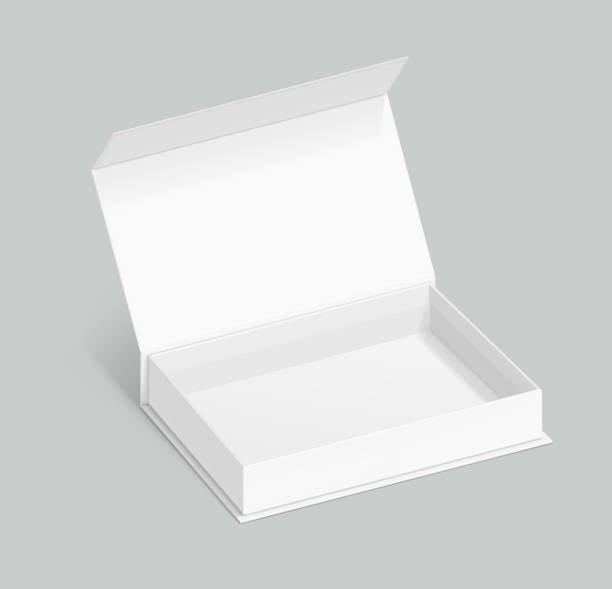
Standard rigid boxes arrive fully assembled. They’re ready to use but take up massive space during storage and transportation. Foldable boxes, on the other hand, arrive flat and pop into shape when you need them.
The engineering behind quality foldable boxes is more sophisticated than you’d think. Strategic scoring, precise folding mechanisms, and clever locking tabs ensure these boxes stay secure once assembled. Done right, they’re just as sturdy as pre-assembled boxes but with a fraction of the storage footprint.
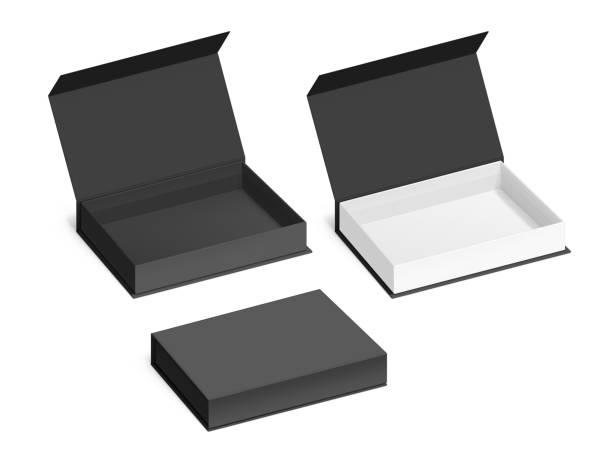
Materials vary widely. Corrugated cardboard works for shipping boxes and e-commerce packaging. Folding boxboard suits retail products that need shelf appeal. Rigid foldable boxes use thicker materials with internal frameworks that collapse flat but feel premium when assembled.
The real genius is in the design. Engineers spend considerable time perfecting fold patterns that are intuitive to assemble yet strong enough to protect products during handling. It’s a balance between user-friendliness and structural integrity.
Cost Savings That Actually Matter
Let’s talk real numbers because the savings from foldable packaging are significant enough to impact your bottom line.
Shipping costs drop immediately. When you’re ordering packaging supplies, freight charges for flat boxes are roughly sixty to seventy percent less than shipping the same quantity of assembled boxes. Those savings compound with every order you place.
Warehouse space becomes far more efficient. Stack a thousand flat boxes in the space where you’d fit maybe two hundred assembled ones. If you’re paying for warehousing by the square foot, that math works heavily in your favor.
Labor costs decrease too, though this surprises some people. Yes, someone needs to assemble the boxes, but modern foldable designs snap together so quickly that assembly time is minimal. Many businesses find employees can assemble boxes as needed without significant productivity loss.
Environmental savings deserve mention as well. Transporting flat packaging means more units per truckload, which translates to fewer delivery trips and lower carbon emissions. For brands prioritizing sustainability, this isn’t just good PR—it’s measurable environmental impact.
Products That Work Best With Foldable Packaging
Foldable boxes aren’t universal solutions, but they’re perfect for specific applications. Understanding where they excel helps you make smarter packaging decisions.
E-Commerce and Subscription Boxes
Online retailers love foldable mailer boxes. They store flat until orders come in, then assemble quickly during packing. Custom branding on every panel creates strong unboxing experiences without the storage headaches of pre-made boxes.
Subscription services benefit enormously. When you’re shipping thousands of boxes monthly, storage efficiency isn’t optional—it’s essential. Foldable boxes let you maintain quality presentation while keeping operations lean.
Electronics and Tech Accessories
Phone cases, cables, chargers, and similar items fit perfectly in compact foldable boxes. The packaging protects products during shipping while displaying them attractively if you’re also selling through retail channels.
Tech brands particularly appreciate that foldable rigid boxes can incorporate foam inserts and compartments. You get protective packaging that looks premium but stores efficiently.
Cosmetics and Personal Care
Beauty brands have enthusiastically adopted foldable packaging for good reason. Lipsticks, serums, and skincare sets ship safely in boxes that arrive flat but assemble into display-worthy packaging customers actually keep.
Window cutouts work beautifully with foldable designs, letting customers see products without opening packaging. This transparency builds trust, especially for online purchases where buyers can’t physically examine items first.
Gift and Seasonal Products
Holiday packaging poses storage challenges because you need inventory well before selling season but can’t afford year-round warehouse space for bulky boxes. Foldable gift boxes solve this perfectly.
Store flat inventory during off-seasons, then assemble as needed during peak periods. You maintain beautiful presentation without tying up capital and space in pre-assembled packaging sitting idle for months.
Food and Beverage Products
Bakeries, specialty food brands, and artisanal beverage companies use foldable boxes for everything from cookies to wine bottles. Food-safe materials and grease-resistant coatings make these practical for edible products.
The ability to flat-pack also matters for businesses with multiple locations. Send packaging supplies to various stores or production facilities without excessive shipping costs eating into already tight food industry margins.
Design Considerations for Maximum Impact
Creating effective foldable packaging requires thinking about both form and function. Your design needs to look great while remaining practical to manufacture and assemble.
Assembly Should Be Intuitive
Nobody wants packaging that requires instruction manuals. The best foldable boxes use obvious fold patterns and self-locking mechanisms. If someone can’t figure out assembly within fifteen seconds, your design is too complicated.
Tabs that tuck cleanly into slots work better than designs requiring tape or glue. Magnetic closures add premium feel but increase costs—use them selectively for high-end products where the investment makes sense.
Structural Integrity Can’t Be Compromised
Foldable doesn’t mean flimsy. Proper material selection and strategic reinforcement at stress points ensure boxes hold up under normal handling. Corner protection, double-wall construction where needed, and reinforced bottoms prevent failures.
Test your designs under real conditions. Load them with actual products, stack them, ship them. Identify weak points before production, not after you’ve invested in thousands of boxes that don’t perform.
Branding Opportunities Are Everywhere
Six panels give you extensive real estate for messaging, imagery, and information. Think beyond just slapping your logo on the lid. Tell stories across panels, create visual journeys, or use different sides for different languages in international markets.
Inside surfaces matter too. Printing on interior panels creates pleasant surprises during unboxing. Messages like “Thanks for your purchase” or care instructions add value without external printing costs.
Material Selection Drives Performance
Lighter products work fine with standard folding boxboard. Heavier items need corrugated materials with appropriate strength ratings. Premium products justify rigid foldable boxes with luxury finishes.
Coating options affect both appearance and function. Matte coatings hide fingerprints and feel sophisticated. Gloss coatings make colors pop but show handling marks. Soft-touch lamination adds that velvety texture high-end brands favor.
The Assembly Process Explained
Understanding how foldable boxes come together helps you evaluate whether they’re practical for your operation.
Most designs use a basic pattern: the box arrives as a flat sheet with pre-scored fold lines. You lift the main body, pushing in the sides while folding up the bottom flaps. Tabs insert into slots or self-locking mechanisms click into place. Total time: five to fifteen seconds per box.
More complex designs with internal platforms or multiple compartments take longer but still assemble faster than you’d expect. With minimal practice, most people achieve consistent assembly speeds.
Some businesses semi-automate assembly using simple folding jigs or guides that ensure consistent results. This works particularly well when training new employees or during high-volume packing sessions.
For extremely high volumes, automated erecting machines exist that can assemble thousands of boxes per hour. These make sense for operations shipping hundreds of thousands of units annually, though most businesses find manual assembly perfectly adequate.
Comparing Costs Against Traditional Packaging
Foldable boxes sometimes cost slightly more per unit than basic pre-assembled packaging. But that initial price difference rarely tells the complete story.
Factor in shipping savings. Transporting flat boxes costs significantly less, often offsetting any per-unit price premium. Your packaging supplier ships in far fewer trips, reducing freight expenses substantially.
Calculate storage costs. If you’re paying for warehouse space, the square footage saved by flat storage directly impacts your expenses. This becomes more significant as order volumes increase.
Consider inventory flexibility. Foldable boxes let you maintain larger packaging inventory without corresponding storage increases. This reduces risk of stockouts during demand spikes without tying up excessive capital in packaging supplies.
Don’t forget disposal costs. Flat boxes mean less volume when customers break them down for recycling. While this seems minor, it actually matters to eco-conscious consumers who appreciate packaging that doesn’t overwhelm their recycling bins.
Sustainability Benefits Beyond the Obvious
Environmental responsibility increasingly influences purchasing decisions. Foldable packaging offers several sustainability advantages that resonate with modern consumers.
Reduced transportation emissions make a real difference. When more boxes fit per shipment, you’re directly cutting fossil fuel consumption and carbon emissions. This impact multiplies across your supply chain.
Material efficiency matters too. Foldable designs often use less material than rigid alternatives because structural elements can be more precisely engineered. Less waste during manufacturing, less material overall.
Many foldable boxes use recycled content without compromising strength. Kraft paperboard made from recycled materials performs excellently in foldable applications while clearly communicating environmental commitment.
End-of-life disposal is straightforward. Cardboard-based foldable packaging breaks down easily in recycling streams. Customers appreciate packaging that doesn’t create guilt about environmental impact.
Working With Packaging Suppliers
Finding the right partner for custom foldable boxes involves more than comparing price quotes. Quality, reliability, and expertise matter enormously.
Request physical samples of their work, not just photos. You need to feel materials, test assembly mechanisms, and evaluate printing quality firsthand. Reputable suppliers gladly provide samples before you commit.
Discuss minimum order quantities upfront. Some suppliers require high minimums that don’t work for smaller businesses. Others offer shorter runs at higher per-unit costs, which might make sense when testing new products.
Clarify production timelines including design, proofing, and manufacturing. Rush fees can double your costs, so plan adequately. Most custom foldable boxes take three to five weeks from approved design to delivery.
Ask about their design support. Do they have in-house designers who understand packaging construction? Can they optimize your design for better functionality or cost efficiency? This expertise is invaluable.
If you’re exploring various packaging solutions for different product needs, Visit Packaging Castle for packaging options that span traditional to innovative designs, helping you find the perfect combination of formats and styles that work together as a cohesive brand presentation strategy.
Common Mistakes to Avoid
Even experienced businesses sometimes stumble with foldable packaging. Learning from others’ mistakes saves time and money.
Don’t overcomplicate designs. Extra flaps, unnecessary compartments, and intricate folding patterns increase costs and assembly time while frustrating users. Elegant simplicity almost always outperforms complexity.
Avoid undersizing. Boxes should fit products comfortably with room for protective materials. Too-tight packaging leads to damage during assembly or shipping. Build in appropriate clearance from the start.
Don’t skip prototype testing. Order small batches before committing to large production runs. Test assembly, load products, ship a few boxes to yourself. Real-world testing catches issues that look fine on paper.
Resist bargain-hunting too aggressively. Ultra-cheap packaging usually performs poorly, creating negative customer experiences that cost far more than you saved. Invest appropriately in quality materials and construction.
Don’t ignore assembly training. Even intuitive designs benefit from quick training for packing staff. A two-minute demonstration ensures consistent assembly and reduces errors.
Scaling Foldable Packaging With Your Business
As your business grows, packaging needs evolve. Foldable boxes scale beautifully because they adapt to changing volumes without requiring massive operational shifts.
Start small with standard designs to minimize initial investment. As volumes increase, transition to fully custom designs with premium finishes. The infrastructure for handling foldable packaging remains consistent.
Multiple SKUs become manageable. Store different box sizes flat in organized systems. Assembly on demand means you’re not guessing which products will sell faster when stocking pre-assembled packaging.
Geographic expansion simplifies when shipping packaging to new facilities or partners. Send flat inventory anywhere without prohibitive freight costs. New locations can maintain smaller packaging inventories thanks to storage efficiency.
Making Your Decision
Choosing packaging formats is never one-size-fits-all. Foldable boxes make sense for many businesses but not every situation.
They’re ideal when storage space is limited or expensive. If you’re operating from tight quarters or paying premium warehouse rates, the space savings alone often justify the switch.
They work perfectly for businesses with variable order volumes. Scale packaging inventory up or down without storage constraints. This flexibility is invaluable for seasonal businesses or products with unpredictable demand.
They’re smart for brands emphasizing sustainability. The measurable environmental benefits give you authentic sustainability credentials to share with eco-conscious customers.
They’re practical for operations valuing efficiency. If lean operations and cost optimization drive your business model, foldable packaging aligns perfectly with those priorities.
The brands succeeding with foldable packaging understand they’re not just buying boxes. They’re investing in operational efficiency, cost reduction, and environmental responsibility while maintaining the presentation quality their brand deserves. That’s a combination worth considering seriously.