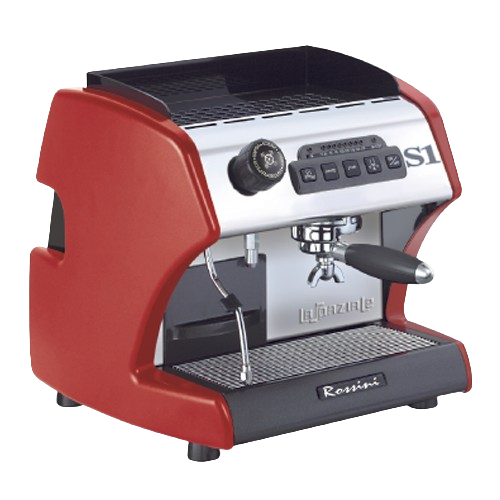
Precision is the foundation of exceptional espresso. Among all the variables involved in brewing grind size, pressure, extraction time, and water quality, temperature remains one of the most critical yet often underestimated factors. In any espresso coffee machine, temperature control directly influences flavor clarity, crema formation, aroma release, and overall consistency. Even a slight fluctuation of a few degrees can dramatically alter the balance between sweetness, acidity, and bitterness in a single shot.
Understanding how temperature works within the brewing system helps both beginners and experienced baristas refine their craft. By mastering this variable, it becomes possible to achieve predictable, repeatable, and high-quality results every time.
Why Temperature Matters in Espresso Extraction
Espresso extraction is a chemical process. When hot water passes through finely ground coffee under pressure, it dissolves oils, acids, sugars, and aromatic compounds. The temperature of that water determines how efficiently these compounds are extracted.
If the water is too cool, under-extraction occurs. The result is often sour, thin, or sharp tasting espresso. On the other hand, excessively hot water can cause over-extraction, pulling out harsh, bitter compounds that overshadow sweetness and complexity.
The ideal brewing range typically falls within a narrow window, often between 90°C and 96°C. Within this range, soluble compounds are extracted in a balanced way, producing a rich body, pleasant acidity, and a stable crema. Maintaining this narrow temperature band consistently is the true challenge and where modern technology plays a crucial role.
The Science Behind Thermal Stability
Thermal stability refers to a machine’s ability to maintain consistent water temperature throughout the brewing process. When hot water leaves the boiler and travels through internal components toward the coffee puck, any loss of heat can disrupt extraction.
Several factors influence thermal stability:
- Boiler size and design
- Material of internal components
- Ambient room temperature
- Frequency of usage
- Warm-up time before brewing
A stable system ensures that the temperature remains steady from the moment brewing begins until extraction ends. Inconsistent systems may experience temperature spikes or drops, leading to unpredictable results from shot to shot.
Boiler Systems and Their Impact on Temperature
One of the most significant contributors to temperature control is the boiler configuration. Different designs influence how water is heated and maintained.
Single Boiler Systems
Single boiler systems heat water for both brewing and steaming. Because brewing espresso requires a lower temperature than steaming milk, the system must adjust between functions. This can lead to temporary instability and requires time to switch between modes.
Heat Exchange Systems
Heat exchange systems use a single boiler kept at steam temperature, with brewing water passing through a heat exchanger inside the boiler. This allows brewing and steaming to occur without switching modes. However, temperature management may require flushing before brewing to ensure the correct extraction range.
Dual Boiler Systems
Dual boiler systems dedicate one boiler to brewing and another to steaming. This setup allows precise control over brewing temperature while maintaining consistent steam pressure. It offers greater stability and flexibility, particularly for high-volume use.
Each system has advantages and trade-offs, but the key takeaway is that boiler design directly influences thermal consistency.
The Role of PID Controllers
Modern machines often incorporate PID (Proportional-Integral-Derivative) controllers. These digital systems monitor and regulate temperature with exceptional precision.
Unlike traditional thermostats that allow noticeable temperature swings before activating heating elements, PID controllers make constant micro-adjustments. This keeps water temperature within a very narrow margin, often within one degree of the target setting.
The benefits of PID technology include:
- Greater flavor consistency
- Improved shot repeatability
- Ability to adjust temperature based on coffee roast profile
- Reduced overheating or underheating cycles
For those who value precision, digital temperature control represents a significant advancement.
Roast Profile and Temperature Relationship
Different roast levels respond differently to temperature changes.
Light Roasts
Lightly roasted coffee retains higher acidity and denser cellular structure. Slightly higher brewing temperatures often help extract sweetness and balance acidity. If the temperature is too low, the result can taste overly sharp or grassy.
Medium Roasts
Medium roasts are generally more forgiving. They offer balanced acidity and sweetness and typically perform well within standard brewing temperature ranges.
Dark Roasts
Dark roasts extract more easily because of their porous structure. Lower brewing temperatures can prevent bitterness and excessive harshness.
By adjusting temperature according to roast profile, users can fine-tune flavor outcomes and enhance the coffee’s natural characteristics.
Temperature and Crema Formation
Crema is the golden foam that forms on top of a properly extracted espresso shot. It is created by emulsified oils and carbon dioxide released during brewing.
Temperature plays a vital role in crema development:
- Too low: Weak crema with poor stability
- Too high: Excessive bitterness and darker crema
- Stable range: Thick, golden, persistent crema
Consistent temperature ensures proper emulsification of oils, contributing to texture and visual appeal.
Pre-Infusion and Temperature Control
Pre-infusion is the process of gently saturating coffee grounds with water before full pressure extraction begins. Stable temperature during pre-infusion helps prepare the coffee puck evenly, reducing channeling and improving extraction uniformity.
If temperature fluctuates during this early stage, extraction can become uneven. Controlled thermal conditions allow the coffee bed to expand uniformly, leading to better shot clarity and flavor complexity.
Warm-Up Time and Heat Retention
Many users underestimate the importance of proper warm-up time. Even if water inside the boiler reaches target temperature quickly, group heads, portafilters, and internal metal components may still be cool.
Brewing too soon can cause heat loss as water passes through cooler parts. Allowing adequate warm-up time ensures the entire system reaches equilibrium, preventing temperature drops during extraction.
Heat retention materials, such as brass or stainless steel components, also influence consistency. Heavier materials retain heat better, supporting stable brewing conditions.
Environmental Factors and Temperature Stability
External factors can subtly affect temperature performance:
- Cold kitchen environments
- Frequent machine cycling
- Inconsistent water supply temperature
- High usage without recovery time
Awareness of environmental influences helps maintain consistency. For example, flushing a small amount of water before brewing can stabilize internal pathways and ensure optimal extraction temperature.
Practical Tips for Optimizing Temperature
To achieve better results, consider the following practices:
- Allow full warm-up before brewing.
- Use fresh, filtered water at consistent input temperature.
- Avoid long idle periods without flushing.
- Adjust temperature according to roast profile.
- Monitor shot taste and tweak settings incrementally.
Small adjustments of one degree at a time can make noticeable differences in flavor balance.
Signs of Temperature Imbalance
Recognizing flavor cues helps identify temperature issues.
Indicators of low temperature:
- Sour taste
- Thin body
- Pale crema
- Short aftertaste
Indicators of high temperature:
- Harsh bitterness
- Burnt flavors
- Dark, thin crema
- Dry finish
Tasting and observing visual characteristics offer valuable feedback when dialing in the correct settings.
Consistency and Repeatability
The true power of temperature control lies in repeatability. Once an ideal setting is identified for a specific coffee, stable systems allow that flavor profile to be replicated daily.
Inconsistent temperature leads to unpredictable outcomes, requiring constant adjustments. Precise control reduces guesswork and builds confidence in the brewing process.
For commercial environments, repeatability ensures quality across multiple shots. For home users, it guarantees satisfying results without frustration.
Temperature Control and Milk-Based Drinks
While brewing temperature affects espresso flavor, it also influences milk-based beverages. A well-balanced shot blends more harmoniously with steamed milk. If the espresso is overly bitter or sour due to temperature imbalance, milk cannot fully mask those flaws.
Balanced extraction provides a sweet, structured base for cappuccinos, lattes, and other beverages.
The Future of Temperature Technology
Advancements continue to refine precision. Modern systems may include:
- Real-time digital displays
- Adjustable brew temperature profiles
- Thermal insulation for energy efficiency
- Enhanced internal sensors
These innovations allow greater customization and consistency, empowering users to experiment confidently.
As coffee culture continues to evolve, precise temperature control will remain central to quality espresso preparation.
Final Thought
Temperature is not merely a technical setting it is a defining element of espresso flavor. From extraction balance and crema formation to consistency and repeatability, thermal stability shapes every aspect of the final cup.
By understanding boiler design, PID technology, roast relationships, and practical adjustment techniques, anyone can elevate their brewing precision. Mastery of temperature transforms ordinary shots into balanced, aromatic, and satisfying experiences.
Ultimately, achieving optimal espresso quality depends on harmony between temperature, pressure, grind size, and timing. When these elements work together, supported by proper technique and a reliable espresso grinder, the result is a refined and consistent coffee experience.