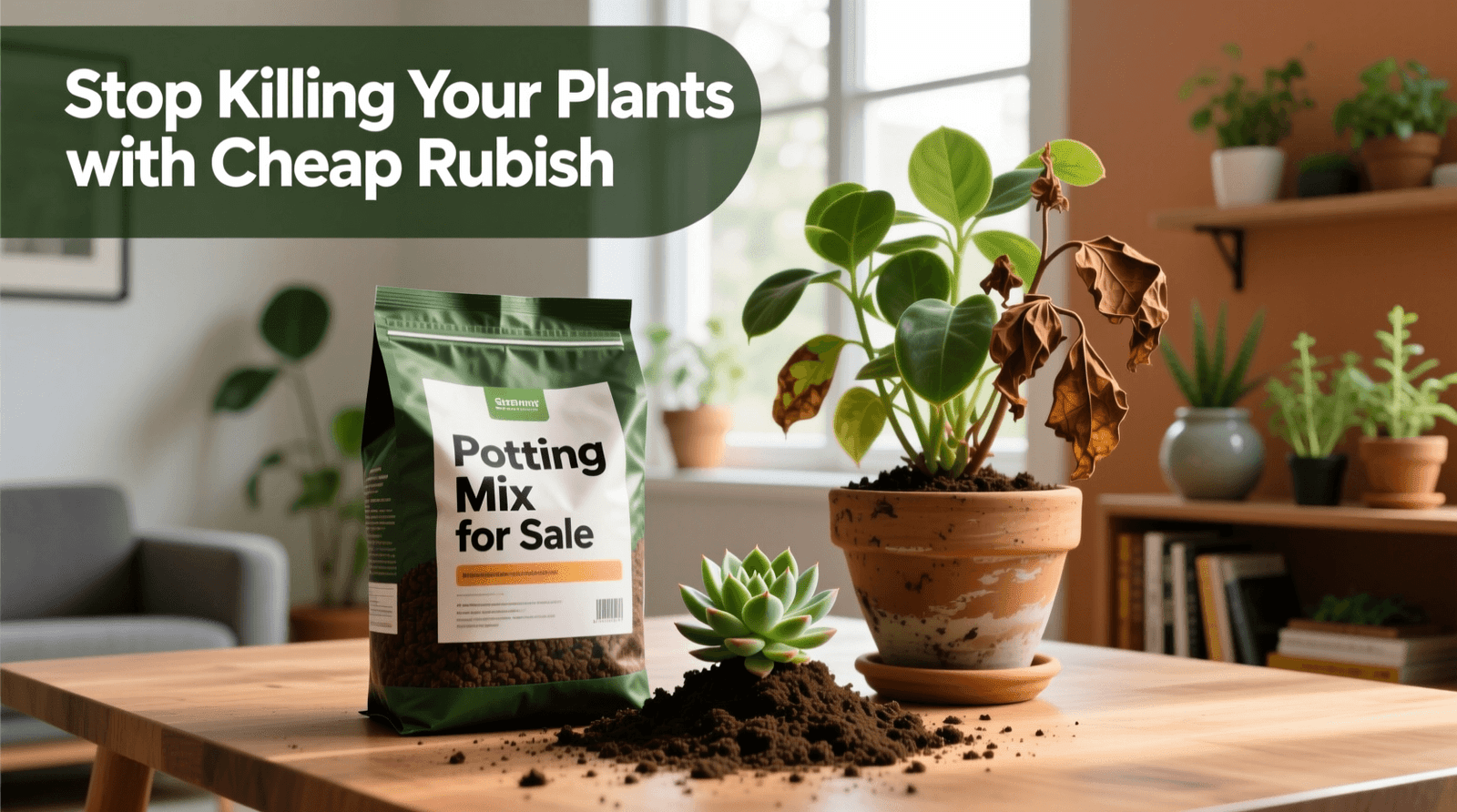
If you’ve ever wondered why your Bunnings potting mix turns into concrete after one hot Melbourne summer or why your indoor plants look sadder than a wet weekend, it’s because you bought the cheap crap. Proper potting mix isn’t just dirt in a bag – it’s a carefully blended recipe of coco coir, aged pine bark, perlite, zeolite, slow-release fertiliser and wetting agents that actually keep plants alive longer than a month. The good stuff drains like a dream, holds just enough moisture, and doesn’t compact into a brick when you forget to water for a week.
What Makes a Ripper Potting Mix in 2025
The best potting mixes now are Australian Standards Premium (the red ticks on the bag) or even better, the ones the big nurseries blend themselves. They’re using proper chunky pine bark (not the dusty fines), high-grade coco peat from Sri Lanka, and adding stuff like zeolite and biochar that holds nutrients so you’re not feeding every second day. The cheap black bags with cartoon flowers on them? Mostly composted sawdust and river sand – plants hate it after six weeks.
Where to Grab the Good Potting Mix for Sale Right Now
West side, Werribee Garden Supplies and Hoppers Garden Centre both blend their own premium mix that half the local landscapers swear by. South-east, The Garden Tap in Cranbourne and Botany Drive in Clayton have the posh stuff with extra perlite and slow-release for indoor plants.
North side, Greenvale Garden Supplies makes a cracking native mix and a veggie/herb blend that actually grows stuff instead of burning roots. If you’re after the fancy European brands like Debco Professional or Osmocote Premium, Richmond Nursery and Fitzroy Nursery still stock the full range, but you’ll pay for the label.
Premium vs Regular vs Native vs Orchid – Which One You Actually Need
Don’t just grab any bag, mate. Regular premium is fine for most outdoor pots and hanging baskets. Indoor plants love the lighter houseplant blends with extra perlite and charcoal. Natives hate fertiliser, so grab the low-phosphorus native mix or your grevillea will cark it. Orchids and anthuriums need chunky orchid bark mix, not regular potting soil. Veggies and herbs do best in the organic veggie blends with added chicken poop and worm castings.
Dodgy Potting Mix to Avoid Like the Plague
If the bag is faded, rock hard, or has weeds growing out the top on the pallet, leave it. If it’s got that wet swamp smell when you open it, bin it. If the brand is one you’ve never heard of and it’s half the price of Debco or Seasol, it’s probably recycled green waste full of pathogens. Cheap potting mix is the number one plant killer in Australia – you’ve been warned.
What the Plant Nerds Are Using in 2025
The cool kids are mixing their own now: 50% premium potting mix, 30% chunky perlite, 20% orchid bark and a handful of worm castings. Or they’re going full coco-coir with liquid feeds because it never compacts. The monstera and philodendron collectors won’t touch anything except the imported Dutch houseplant mixes or the new aroid blends with extra charcoal and sphagnum.
FAQs
Who sells the best potting mix in Melbourne right now?
Werribee Garden Supplies house blend, Greenvale Premium, or the Debco Professional Blue Bag from proper nurseries – all miles ahead of supermarket stuff.
Is the expensive potting mix actually worth it?
Bloody oath. Cheap stuff lasts six months then dies, premium keeps going two to three years before you need to repot.
Where can I get native potting mix delivered same day?
Greenvale, Epping Nursery or Werribee Garden Supplies – all blend their own low-P native mix and run small trucks.
What’s the best potting mix for indoor plants like monstera and peace lilies?
Look for “houseplant” or “indoor premium” with extra perlite and charcoal – Hoppers Garden Centre and Richmond Nursery blends are killer.
Is Bunnings potting mix any good these days?
The black bag Defender stuff is okay for outdoor fillers, but their premium range still hydrophobics and compacts. Real nurseries smash them on quality.