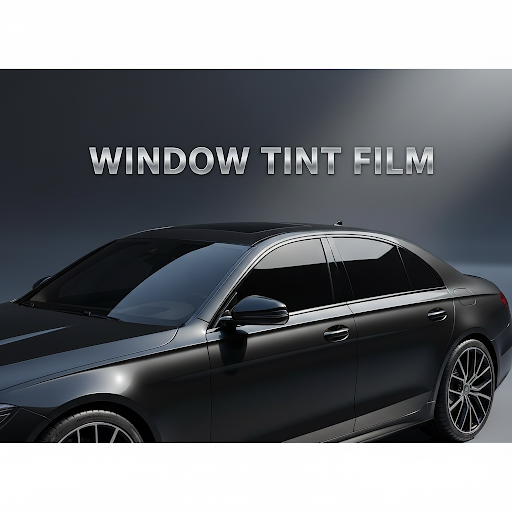
If you’ve been considering window tint film for cars, you’re not alone. More and more drivers are realizing that tinting isn’t just about giving your vehicle a sleek, stylish look—it’s also a practical investment that can save money, improve comfort, and even extend the life of your car’s interior. But is car window tint really worth it? Let’s break down the cost, maintenance, and long-term savings to help you make an informed decision.
1. Understanding What Car Window Tint Does
Car window tinting involves applying a thin film to the interior surface of your car’s windows. This film is designed to reduce the amount of sunlight, glare, and UV radiation entering your vehicle. Modern films come in various types dyed, metallic, carbon, and ceramic each offering different levels of performance, appearance, and price.
Beyond aesthetics, tinted windows enhance privacy, keep the interior cooler, and block up to 99% of harmful UV rays that cause fading, cracking, and discoloration of upholstery and dashboard materials.
2. The Cost of Car Window Tinting
The cost of installing window tint film for cars depends on several factors, including:
- Type of film: Dyed films are the most affordable, while ceramic films—known for superior heat rejection—are at the higher end of the spectrum.
- Vehicle size: Larger vehicles like SUVs or vans require more material and labor.
- Quality and warranty: Premium films often come with lifetime warranties, ensuring long-term protection.
On average, professional car window tinting can cost anywhere from $150 to $600, depending on these variables. While DIY kits are available for under $100, professional installation ensures a clean, bubble-free finish and compliance with local tint laws.
3. Maintenance and Care After Tinting
One of the advantages of quality tint films is that they require minimal maintenance. However, proper care can extend their life and keep them looking new:
- Avoid cleaning for the first few days: Let the adhesive cure completely before wiping the windows.
- Use gentle cleaners: Opt for ammonia-free glass cleaners to prevent damage to the tint.
- Soft cloth only: Use microfiber cloths instead of abrasive materials that can scratch the film.
- Inspect regularly: Check for peeling, bubbling, or fading, which may indicate low-quality film or poor installation.
A well-maintained tint can easily last 10 years or more, especially if you’ve invested in ceramic or high-performance films.
4. The Long-Term Savings of Window Tint Film
Tinting your car windows can lead to significant savings over time financially and functionally. Here’s how:
a. Reduced Energy Costs
By blocking a large portion of solar heat, tinted windows reduce your reliance on air conditioning. This can improve fuel efficiency and lower energy consumption, particularly during hot summer months.
b. Protecting the Interior
UV rays can cause dashboards, leather seats, and other interior materials to fade or crack. By preventing sun damage, tinting helps extend the life of your car’s interior, reducing the need for costly repairs or replacements.
c. Enhancing Resale Value
A well-maintained, tinted car often looks newer and more stylish. Buyers tend to view tinted windows as a desirable feature, allowing you to fetch a higher resale price when it’s time to sell.
d. Safety and Comfort
Tint film holds shattered glass together during accidents, offering added safety. It also minimizes glare from sunlight or headlights, improving visibility and reducing eye strain benefits that can’t be measured purely in dollars.
5. Is It Worth the Investment?
When you weigh the initial cost against the long-term benefits, the answer is clear car window tinting is absolutely worth it. The protection, comfort, and energy efficiency it offers easily outweigh the upfront expense. Moreover, quality window tint film enhances both the appearance and longevity of your vehicle.
While some drivers may hesitate due to legal restrictions or cost concerns, choosing a reputable installer ensures compliance with tint laws and a professional finish. Over time, you’ll likely find that the film pays for itself through savings on fuel, maintenance, and interior repairs.
6. Final Thoughts
In today’s world, where we spend countless hours behind the wheel, investing in window tint film for cars is one of the smartest upgrades you can make. Whether you prioritize comfort, privacy, or protection, a quality tint adds real, long-term value to your vehicle.
It’s more than just a cosmetic enhancement it’s an investment in your car’s health and your driving experience.