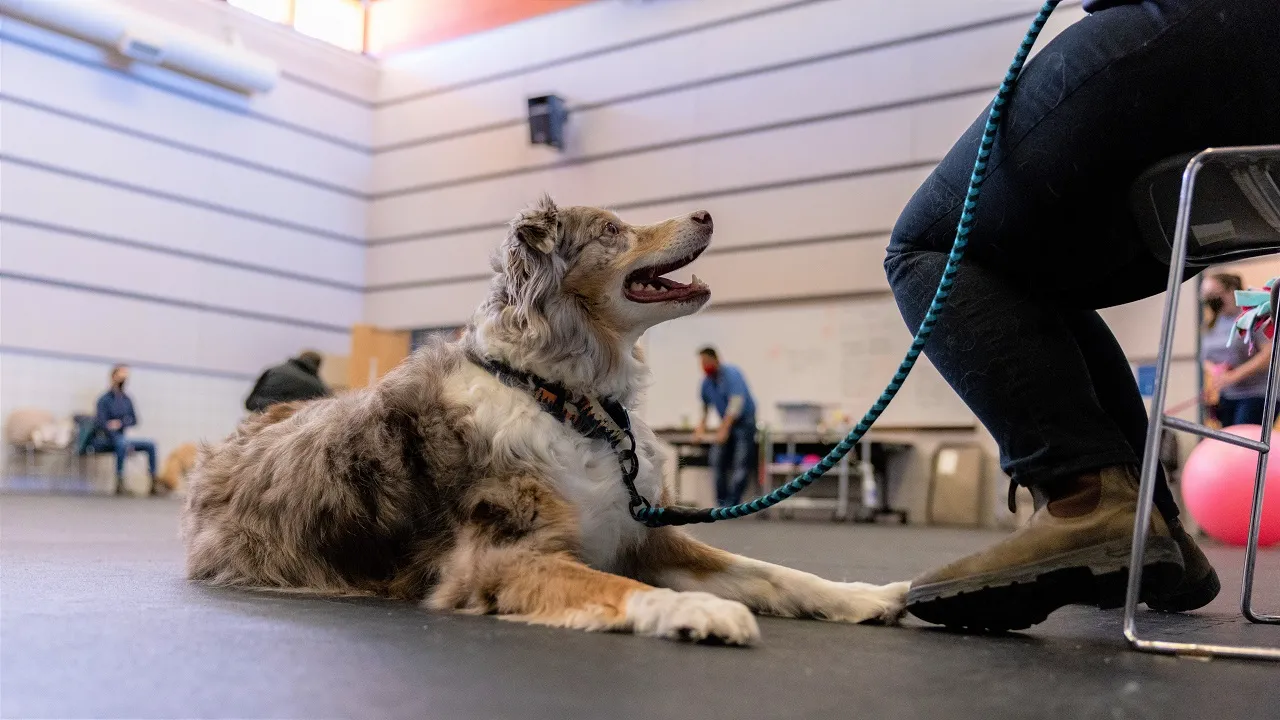
Taking your dog out in public should feel fun and relaxed. But if your dog pulls, jumps, barks, or ignores you, even a short walk can feel stressful. The right training can completely change this. One of the best ways to teach real-world behavior is through Group Training Classes for Dogs, where your dog learns to listen and behave around people, dogs, and distractions.
In this article, we’ll look at how group classes help build good manners in public places, and how they fit together with options like private training for dogs and programs such as dog board and training chicago.
Why Good Manners in Public Matter for Your Dog
Good manners in public are about more than just looking “well-trained.” They are about safety, respect, and trust. When your dog can stay calm and listen to you around distractions, you feel more confident taking them out. People around you feel more comfortable. And your dog feels more secure because they understand what you want from them.
Public places like sidewalks, parks, outdoor cafés, and pet-friendly stores are full of movement and noise. There are cars, bikes, children, people carrying bags, and other dogs passing by. Without training, many dogs become excited, frustrated, or anxious in these situations. Group Training Classes for Dogs teach your dog how to move through all of this without losing control or forgetting their manners.
What Happens in Group Training Classes for Dogs
In a typical group class, you and your dog work with a trainer along with several other dog-and-owner teams. The trainer guides everyone through clear steps for basic skills like sit, down, stay, come, leave it, and polite leash walking. The difference from home training is that your dog is learning all this while other dogs and people are close by.
During class, your dog practices staying by your side while another dog walks past, holding a sit or down while people move around, and responding to their name even when there is a lot going on. The trainer shows you how to reward your dog at the right time, how to correct gently when needed, and how to keep your dog’s focus on you.
Because the setting is structured, your dog gets steady, repeated practice in a safe environment. Over time, they start to understand that good behavior does not only apply at home. It also applies in busy, real-life places.
How Group Training Classes Teach Dogs to Handle Distractions
One of the hardest parts of public manners is dealing with distractions. Outside, there are smells, sounds, animals, people, and unexpected events everywhere. Dogs naturally want to check all of this out. Without training, they pull toward what interests them and stop listening to you.
Group Training Classes for Dogs are designed to help with this. The other dogs and people in the room are built-in distractions. At first, your dog may stare, whine, or pull. That is normal. With your trainer’s help, you learn how to call your dog’s attention back to you, reward them for eye contact, and move in a way that keeps them working with you instead of reacting to everything they see.
As the classes go on, the trainer usually increases the level of difficulty. You might start by practicing simple cues at a distance from other dogs. Later, you may work closer together or add more movement. Step by step, your dog learns that even when something exciting is happening nearby, it still pays to listen to you.
Social Skills Your Dog Learns Around Other Dogs and People
Group classes are not just about commands; they also build social skills. A good class is controlled and calm, not a free-play session. The dogs are close to each other, but the focus is on staying with their owners and showing polite behavior.
In this setting, your dog learns that they do not have to greet every dog they see. They practice walking calmly past others, sitting politely when someone approaches, and staying settled while another dog is moving. They learn that jumping, lunging, or barking does not get them what they want. Instead, calm behavior and focus bring praise and rewards.
This kind of practice is hard to get on your own. Walks in the neighborhood or trips to the park can be unpredictable. Group Training Classes for Dogs give your dog repeated chances to behave politely around others in a guided way, which makes later outings much easier.
How Group Training Classes Make You a Better Dog Handler
Group training does not only teach your dog. It also teaches you. Many owners have good intentions but are not sure how to respond when their dog barks, pulls, or ignores cues in public. A trainer can watch you in real time and give simple advice that makes a big difference.
You learn how to hold the leash so your dog has room to move but cannot drag you around. You learn when to reward, when to pause, and when to change direction. You also learn to read your dog’s body language so you can see early signs of stress or overexcitement and act before things get out of hand.
These handling skills carry over into every part of your life with your dog. Whether you are on a crowded sidewalk, at a vet clinic, or visiting friends, you will know how to guide your dog in a calm and clear way.
When to Combine Group Training with Private or Board-and-Train Programs
Group classes are powerful, but they are not the only tool. Some dogs need more focused help, especially if they are very fearful, reactive, or have strong behavior challenges. In those cases, adding private training for dogs can be a smart choice.
In private sessions, the trainer works only with you and your dog. This allows you to go deeper into specific problems, such as leash reactivity toward other dogs or anxiety in certain places. Once your dog has a better foundation from private work, you can return to Group Training Classes for Dogs to practice those skills around more distractions.
For owners who want a more intensive option, or who have a busy schedule, a board-and-train style program may also help. In some areas, you might find services like dog board and training chicago, where your dog stays with a trainer for a set time and gets daily, structured training. Programs like this can be very effective when they use kind, reward-based methods and keep you involved in the process through follow-up lessons.
The best plan for many dogs is a mix: group classes for social and public manners, private sessions for targeted help, and board-and-train only when it truly fits the dog and the family.
Long-Lasting Benefits of Group Training for Public Manners
The benefits of Group Training Classes for Dogs continue long after the class ends, as long as you keep practicing the skills you learned. A dog who knows how to walk politely, wait calmly, and listen around distractions is simply easier to live with.
You may notice that walks become more peaceful, because your dog is not pulling you toward every sound or smell. You may feel more relaxed bringing your dog to new places because you trust them to stay under control. Your dog may settle faster at outdoor cafés, on park benches, or in busy parking lots.
Most importantly, your relationship with your dog improves. Instead of constant battles and embarrassment, you work as a team. Your dog looks to you for direction, and you know how to give it in a clear, kind way.
Conclusion: Group Training Classes for Dogs with Prestige Dog Training
When you want a dog who behaves well in the real world, Group Training Classes for Dogs are one of the best tools you can use. They teach your dog to listen around distractions, build social skills with other dogs and people, and help you become a calm, confident handler in public places.
If you are ready to enjoy easier walks, smoother outings, and a more polite companion, consider working with a trusted team like Prestige Dog Training. By combining group classes with options such as private training for dogs and, when needed, programs like dog board and training chicago, you can give your dog the skills and confidence they need to show good manners wherever you go together.