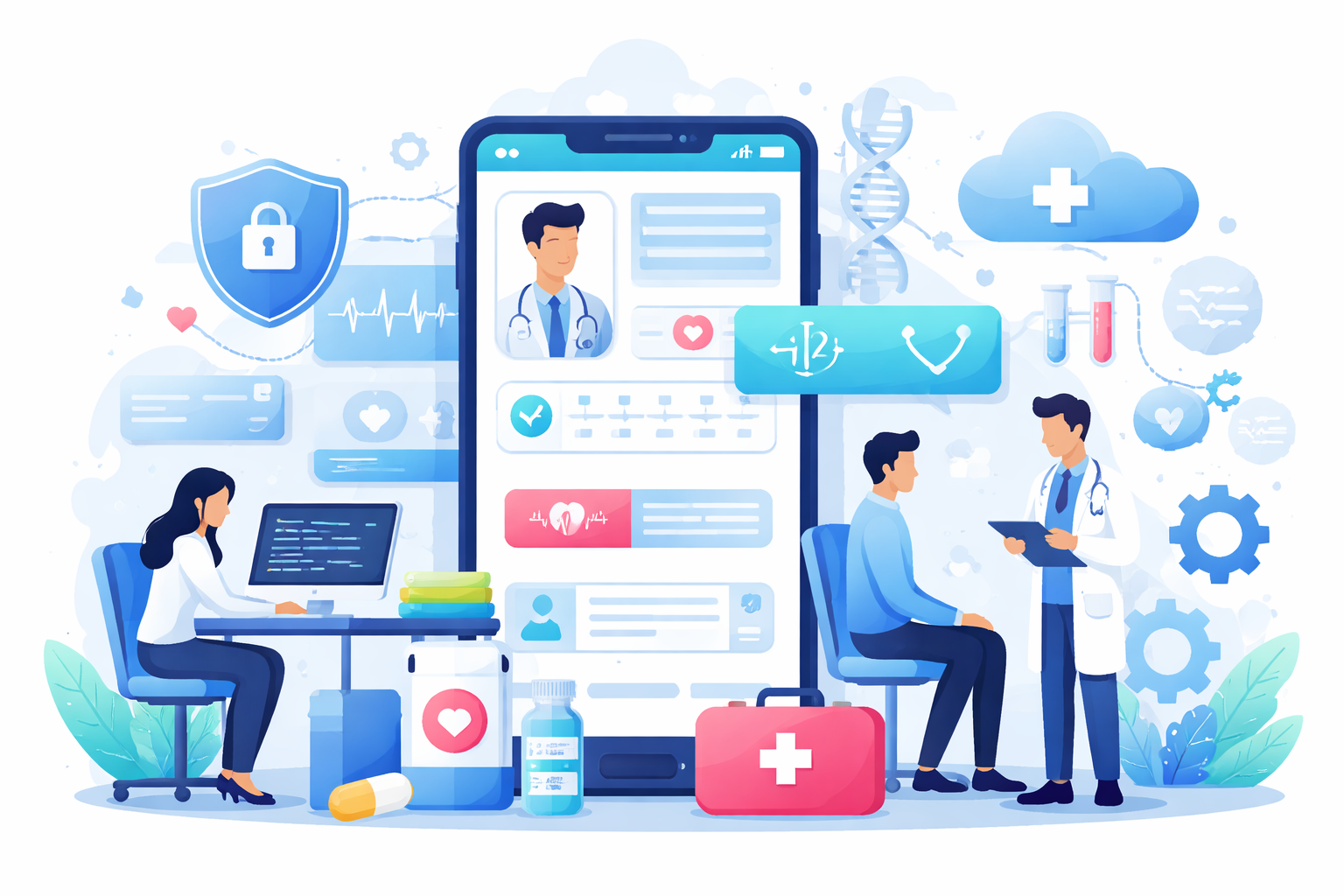
The healthcare industry is rapidly evolving, driven by technology and changing patient expectations. From booking appointments online to accessing medical records through smartphones, digital transformation is reshaping how care is delivered. At the center of this transformation lies healthcare app development, a powerful solution that connects patients, doctors, hospitals, and healthcare providers through secure and intelligent mobile platforms.
As smartphones become an essential part of daily life, healthcare mobile applications are no longer optional – they are necessary. Whether it’s remote consultations, fitness tracking, medication reminders, or chronic disease management, healthcare apps are redefining patient engagement and operational efficiency.
Why Healthcare App Development Matters Today
The demand for healthcare mobile applications has increased significantly due to growing awareness, digital literacy, and the need for convenient healthcare services. Patients today expect quick access to doctors, medical reports, prescriptions, and real-time updates – all from their mobile devices.
Healthcare app development helps:
- Improve patient engagement
- Enable remote monitoring and telemedicine
- Reduce hospital visits and waiting times
- Enhance communication between patients and providers
- Streamline hospital operations
The rise of telehealth services, especially after global health crises, has accelerated the need for reliable and scalable healthcare apps. Hospitals and clinics are investing in digital platforms to remain competitive and deliver patient-centered care.
Types of Healthcare Mobile Applications
Healthcare app development covers a wide range of applications designed for different users and purposes.
1. Telemedicine Apps
These apps allow patients to consult doctors through video calls, chat, or voice calls. They eliminate geographical barriers and provide quick access to medical professionals.
2. Appointment Booking Apps
Patients can schedule, reschedule, or cancel appointments easily without visiting hospitals physically.
3. EHR/EMR Apps
Electronic Health Records (EHR) apps store and manage patient data securely, enabling doctors to access medical histories instantly.
4. Fitness and Wellness Apps
These apps track steps, calories, heart rate, sleep patterns, and other health metrics to promote preventive healthcare.
5. Medication Reminder Apps
Such apps help patients take medicines on time and manage prescriptions effectively.
6. Remote Patient Monitoring Apps
These applications monitor patients with chronic conditions like diabetes or heart disease using wearable devices and IoT integration.
Each category plays a crucial role in improving healthcare delivery and patient satisfaction.
Key Features of a Successful Healthcare App
Developing a healthcare application requires careful planning and strategic feature integration. A successful healthcare app should include:
User-Friendly Interface
The app must be simple, intuitive, and accessible to users of all age groups.
Secure Login & Authentication
Multi-factor authentication ensures patient data security and privacy.
Data Encryption
Healthcare apps must comply with security standards to protect sensitive information.
Appointment Scheduling
A seamless scheduling system improves patient convenience.
Real-Time Notifications
Push notifications for appointments, medication reminders, and health updates enhance engagement.
In-App Communication
Secure chat or video consultation features improve patient-provider interaction.
Integration with Wearables
Connecting with fitness bands and smart devices enables real-time monitoring.
Cloud-Based Data Storage
Cloud solutions provide scalability, accessibility, and secure data management.
When healthcare app development focuses on both functionality and security, it ensures long-term success and user trust.
Regulatory Compliance and Security Considerations
Healthcare applications deal with highly sensitive patient information. Therefore, compliance with healthcare regulations is critical. Developers must ensure adherence to standards like HIPAA (in the US), GDPR (in Europe), and other regional healthcare data protection laws.
Key security measures include:
- End-to-end encryption
- Secure APIs
- Regular security audits
- Role-based access control
- Data backup and recovery solutions
Failing to meet compliance standards can lead to legal penalties and loss of patient trust. Hence, choosing experienced developers is essential for secure healthcare app development.
Benefits of Investing in Healthcare App Development
Healthcare organizations that invest in mobile app solutions gain significant advantages:
Improved Patient Experience
Patients can access healthcare services anytime and anywhere.
Cost Reduction
Digital consultations reduce infrastructure and operational costs.
Better Data Management
Automated data collection minimizes errors and improves efficiency.
Enhanced Communication
Doctors and patients can communicate instantly.
Increased Revenue Opportunities
Healthcare apps create new revenue streams through subscriptions, in-app services, and partnerships.
Competitive Advantage
Hospitals and clinics with digital platforms stand out in a competitive market.
Healthcare app development is not just about building an app – it’s about creating an ecosystem that enhances healthcare delivery.
Challenges in Healthcare App Development
Despite its advantages, developing healthcare apps comes with challenges:
- Strict regulatory compliance
- High development costs
- Data privacy concerns
- Integration with legacy systems
- Ensuring cross-platform compatibility
Overcoming these challenges requires strategic planning, skilled developers, and advanced technologies.
Emerging Technologies Shaping Healthcare Apps
Healthcare app development continues to evolve with technological advancements. Some emerging trends include:
Artificial Intelligence (AI)
AI-powered chatbots, symptom checkers, and predictive analytics enhance patient care.
Internet of Things (IoT)
Wearable devices and smart sensors enable real-time health monitoring.
Blockchain
Blockchain ensures secure and transparent medical data management.
Cloud Computing
Cloud-based platforms improve scalability and accessibility.
Big Data Analytics
Analyzing large datasets helps in identifying trends and improving healthcare outcomes.
These technologies are revolutionizing the healthcare industry and driving innovation in mobile app solutions.
Steps Involved in Healthcare App Development
Developing a healthcare app involves several key stages:
- Market Research and Requirement Analysis
- UI/UX Design
- Development (Frontend & Backend)
- API Integration
- Testing and Quality Assurance
- Compliance Verification
- Deployment
- Maintenance and Updates
Each phase requires careful execution to ensure the app meets industry standards and user expectations.
View this: https://asthatechnologies.org/real-estate-app-development-company/
Choosing the Right Development Partner
Selecting the right development team plays a crucial role in the success of your healthcare application. Look for a company with:
- Proven experience in healthcare app development
- Strong understanding of compliance regulations
- Expertise in security implementation
- Skilled UI/UX designers
- Transparent communication and support
An experienced development partner ensures that your healthcare app is secure, scalable, and user-friendly.
The Future of Healthcare App Development
The future of healthcare is digital. As patient expectations grow and technology advances, healthcare app development will continue to expand. From AI-driven diagnostics to personalized treatment plans powered by data analytics, mobile applications will remain central to healthcare innovation.
Healthcare providers who embrace digital transformation today will be better positioned to deliver efficient, accessible, and patient-focused services tomorrow.
In conclusion, healthcare app development is transforming the way medical services are delivered and experienced. It bridges gaps, improves accessibility, enhances operational efficiency, and builds stronger patient relationships. Investing in a well-designed and secure healthcare app is not just a technological upgrade – it is a strategic move toward the future of healthcare.