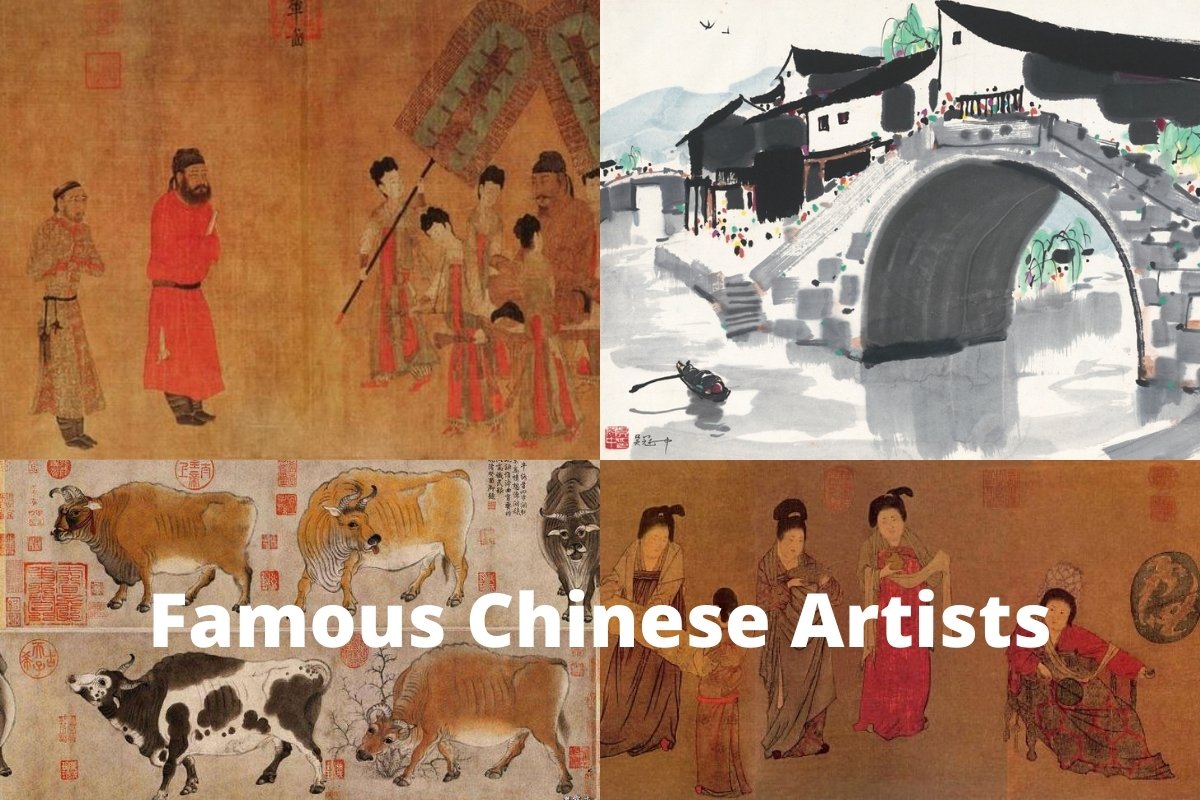
The world of Chinese art spans thousands of years, shaped by painters, calligraphers, and creative thinkers whose work continues to inspire modern artists. Today, platforms like China Art Hub make it easier for global audiences to understand this rich heritage and connect with authentic Chinese art materials and learning resources.
Chinese art is deeply rooted in philosophy, symbolism, and nature. Throughout history, artists used brushwork, ink, color, and composition not only to create beauty but also to communicate ideas about balance, harmony, and human experience. Learning about famous Chinese artist provides a direct window into the evolution of these ideas.
One of the earliest influential figures is Gu Kaizhi of the Eastern Jin dynasty. Known for his detailed line work and expressive portraits, he set standards for figure painting that shaped future generations. His surviving works and scrolls show the early foundations of artistic storytelling, something still studied by modern creators.
Moving into the Tang dynasty, Wu Daozi became a household name for his powerful and expressive brushstrokes. He was often called the “Sage of Painting,” and his murals were celebrated for their movement and emotion. His approach toward dynamic linework influences many contemporary ink artists, who continue to explore energy and rhythm in their compositions.
The Song dynasty introduced masters such as Fan Kuan, whose landscapes reflected the deep connection between humans and nature. His monumental mountains and subtle atmospheric effects became key references for students of ink wash painting. Even today, many beginners on China Art Hub study his style to understand the structure and balance used in traditional landscape painting.
In later periods, the Yuan dynasty painter Zhao Mengfu revived classical techniques with a refined calligraphic style. His versatility in both painting and calligraphy makes him a central figure for artists interested in merging multiple art disciplines. China Art Hub’s curated calligraphy tools are often inspired by techniques studied from artists like Zhao Mengfu.
Another widely recognized artist is Qi Baishi, whose modern yet traditionally grounded artworks brought a fresh perspective to Chinese painting in the 20th century. His simple subjects—shrimp, flowers, insects—are admired for their spontaneity and natural charm. Students and hobbyists frequently explore his brush techniques when learning expressive ink painting.
Today, China Art Hub continues the legacy of these artistic masters by helping learners and professionals access high-quality art supplies and educational content. Whether someone is studying classical brushwork, practicing modern calligraphy, or exploring mixed-media styles, the platform serves as a valuable resource for connecting traditional Chinese art with modern creativity.
By understanding the work and influence of these famous Chinese artists, creators can find inspiration to develop their own style while appreciating the cultural depth behind each stroke. China Art Hub supports this journey by offering tools, guides, and materials that reflect the true spirit of Chinese artistic traditions