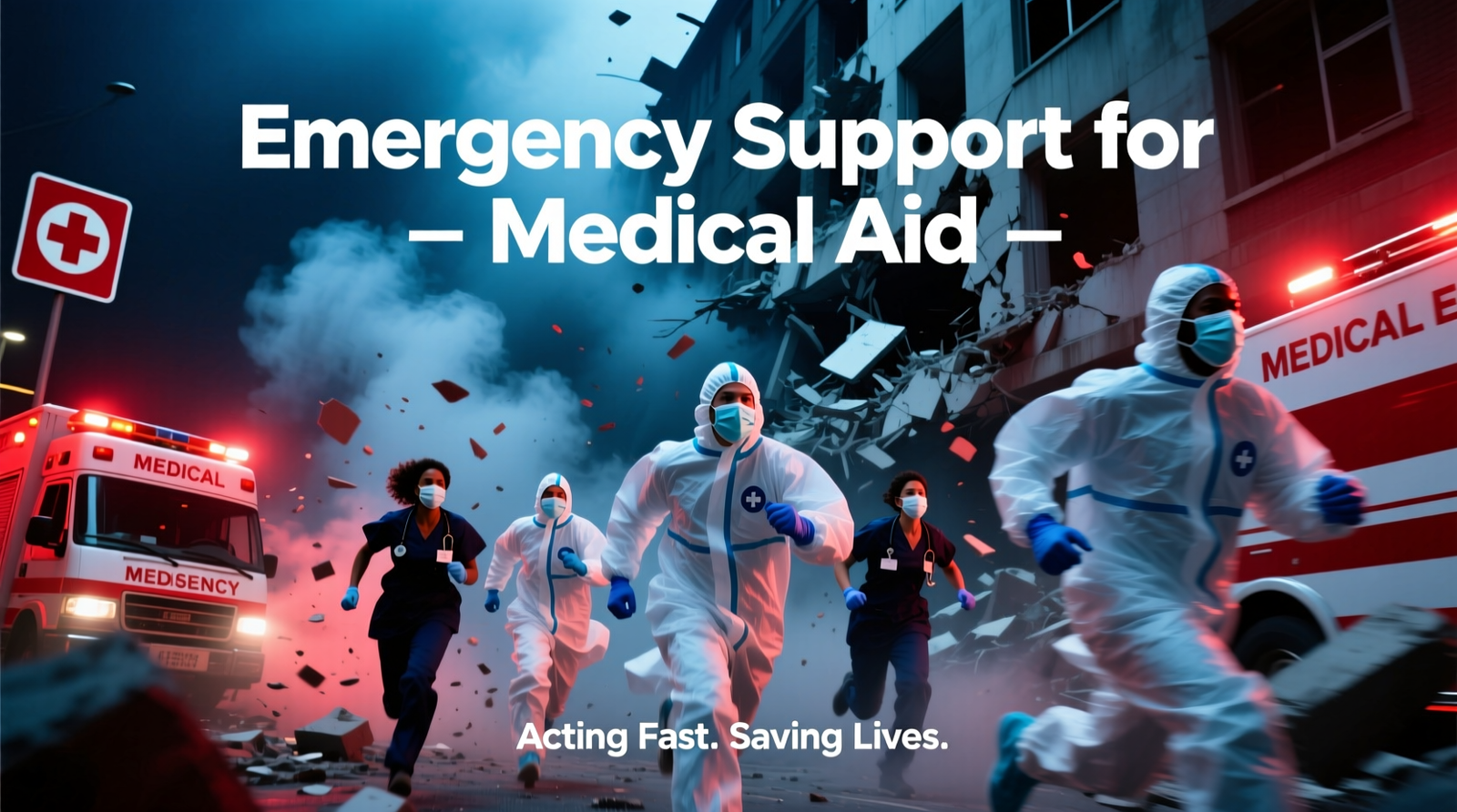
if you’re ever in a tight spot in the UK and need some quick medical help, you gotta know the ropes on how their emergency support system works. It’s all about getting that lifesaving aid without breaking the bank, since most of it’s free through the National Health Service, or NHS as folks call it. Whether you’re a local Brit or just a tourist passing through, understanding emergency medical aid in the UK can save your bacon when things go south.
We’re talking everything from dialing up for an ambulance to figuring out if you need a doc right away or can chill with some advice over the phone. This ain’t like back home in the States where you might rack up huge bills – over here, it’s more about public health support that’s got your back in a crisis.
The Main Player: NHS Emergency Medical Services Explained
First off, the backbone of emergency medical aid in the UK is the emergency medical services, which kick in when someone’s dealing with a serious illness or injury that can’t wait. These services are mostly run by the NHS, and they’re designed to get you help fast, no questions asked about your wallet. Picture this: you’re out and about, maybe hiking in the countryside or walking the streets of London, and bam – something happens.
Heart attack, bad fall, or whatever. The key move is calling 999, the UK’s go-to number for emergencies. It’s like our 911, but it connects you straight to ambulance crews, cops, or fire folks if needed. Operators are pros at figuring out what’s up and sending the right help your way. Ambulances show up with paramedics who ain’t just drivers; they’re trained to start treatment on the spot, stabilizing you before hauling you to the hospital.
How Ambulance Services Differ Across England, Scotland, Wales & Northern Ireland
Now, breaking it down by region, ’cause the UK ain’t one big blob – it’s got England, Scotland, Wales, and Northern Ireland, each with their own twist on ambulance services. In England, there are ten NHS ambulance trusts handling the bulk of calls, from the bustling cities to rural spots. Up in Scotland, the Scottish Ambulance Service is the big player, providing not just emergency rides but also air ambulances for those hard-to-reach areas.
Wales has its Welsh Ambulance Services NHS Trust, and Northern Ireland rocks the Northern Ireland Ambulance Service. Even the smaller islands like the Isle of Man or Guernsey have their own setups. What ties ’em all together is the commitment to free emergency aid – you don’t gotta worry about insurance upfront.
999 vs 111: Know Which Number to Call So You Don’t Waste Time
When it comes to deciding if it’s a real emergency or just something urgent, the UK system’s got options to avoid overwhelming the hospitals. Enter NHS 111 – this is your lifeline for non-life-threatening stuff. Feeling rough but not sure if it’s doc-worthy? Call 111 or go online, and they’ll guide you.
It’s like having a health expert buddy on the line asking questions to figure out if you need a pharmacy run, a GP appointment, or yeah, maybe head to A&E (that’s ER to us). This service keeps the serious 999 lines open for the heavy hitters. Chest pain or trouble breathing? Don’t mess around – straight to 999. Bad cut that’s bleeding but not spraying? 111 might tell you to wrap it and hit a minor injuries unit.
Emergency Medical Help for Tourists and Americans Visiting the UK
For visitors from the USA or anywhere else, navigating emergency medical aid in the UK might feel a bit wonky at first, but it’s actually dead simple once you get it. The US Embassy even puts out guides saying dial 999 for emergencies and see a GP for less urgent stuff. NHS treatment is open to everyone, and tourists ain’t charged for true emergency care (though follow-ups or prescriptions might cost a few quid unless you’re exempt).
Pro tip: bring your travel insurance details, pack your regular meds, and know your allergies – drug names and doses are different over there. If you’re in a car wreck or sudden illness, the system treats everyone the same – stabilize first, paperwork later.
How Tech and Apps Are Making UK Emergency Medical Response Faster
Diving deeper into how technology’s jazzing up emergency support, the UK’s got apps and online tools that make getting aid a breeze. The NHS app lets you get advice, book appointments, or even start a 111 chat without picking up the phone. Ambulances send your vitals to the hospital before you arrive so the ER team is ready.
In rural spots, they’re testing drones to deliver defibrillators and blood, and AI is helping triage calls faster. For kids, elderly folks, or mental health crises, there are specialized rapid-response teams that roll out with the right skills. It’s not perfect – wait times can still suck on bad days – but the tech upgrades are legit game-changers.
Final Takeaway: UK Emergency Medical Support Has Your Back
Wrapping it all up, emergency support for medical aid in the UK is a solid, mostly free system that’s saved millions of lives. From frontline paramedics to air ambulances and 24/7 call handlers, it’s built to get you help fast no matter where you are or where you’re from. Know your 999 from your 111, keep calm, and you’ll be golden.
FAQs
Is emergency medical treatment free for tourists in the UK?
Yes! True emergency care (ambulance + A&E) is free for everyone, even visitors. You might pay small fees for prescriptions or follow-up GP visits.
How long does it normally take for an ambulance to arrive?
Target is 8 minutes for the most critical calls, but it varies by area and how busy they are. Rural spots can take longer, cities are usually quicker.
Can I use my US health insurance in the UK?
Most US insurance doesn’t cover much overseas. Get travel insurance before you fly – it’ll save you a headache if you need non-emergency care.
What if I have a mental health crisis?
Call 999 if you’re in immediate danger. Otherwise call 111 – they can send mental health crisis teams 24/7 now.
Do UK ambulances have doctors on board?
Usually paramedics (super well-trained), but some areas have doctor-paramedic teams or air ambulances with actual doctors for the gnarliest cases.


3 thoughts on “Emergency Support for Medical Aid in the UK: What You Need to Know”
Comments are closed.