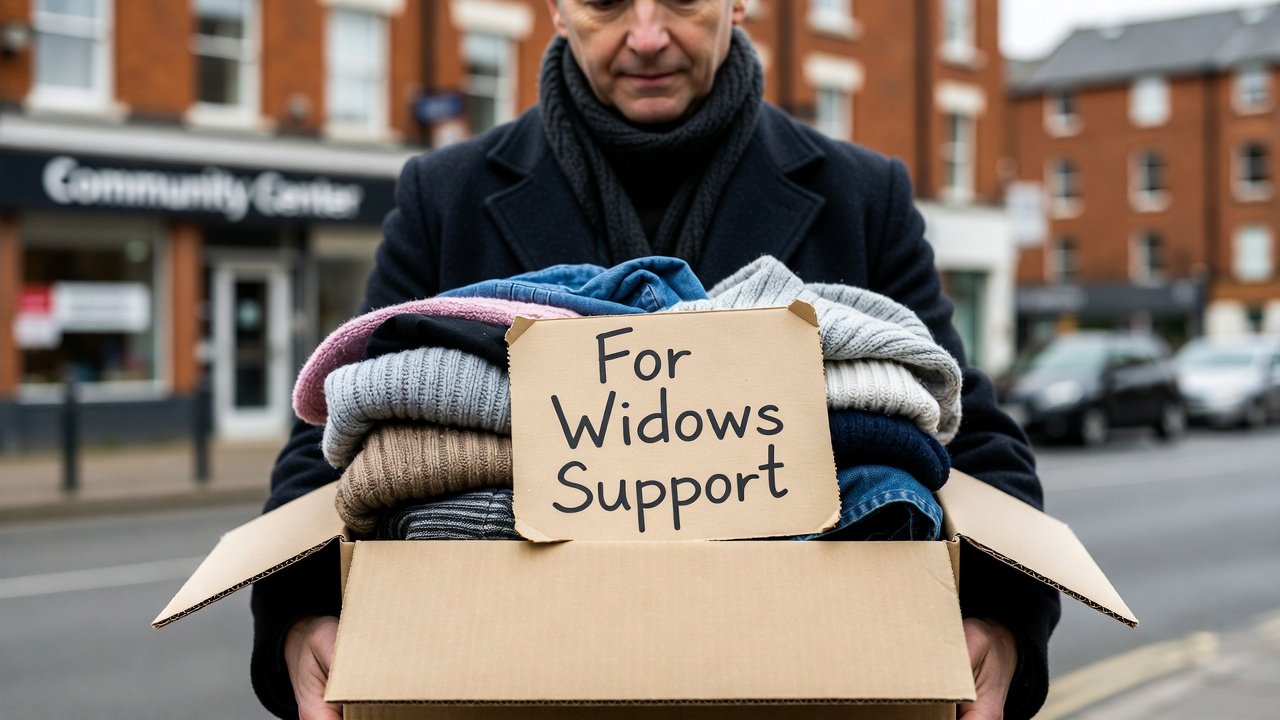
Losing a spouse is one of the most devastating experiences a person can endure. For many widows across the United Kingdom, grief is only the beginning of a long and difficult journey that often involves financial hardship, social isolation, and an uncertain future. Donation support for widows in the UK plays a critical role in bridging the gap between immediate crisis and long-term stability. Charitable contributions — whether monetary, material, or time-based — fund vital programmes that help widowed women rebuild their lives with dignity. Understanding where to donate, how funds are used, and which organisations make the greatest impact is essential for anyone who wants to make a meaningful difference.
Why Financial Donations for Widows in the UK Matter More Than Ever
The financial consequences of widowhood in the UK are significant and often underestimated. Research consistently shows that women are disproportionately affected by poverty following the death of a spouse, particularly those in older age groups or those who were financially dependent on their partner. Many widows face sudden reductions in household income, unexpected funeral costs, outstanding debts, and a complete reorganisation of their financial affairs — all while processing profound emotional loss.
State support, while available in some forms such as Bereavement Support Payment, is limited in duration and scope. Charitable donations fill the gap that government provision cannot cover. When individuals, businesses, and community groups donate to widow-focused charities in the UK, those funds are channelled into emergency financial assistance, housing support, legal advice, counselling services, and skills development programmes. Every pound donated has the potential to prevent a widow from falling into homelessness, food insecurity, or long-term poverty.
Types of Donation Support Available for Widows Across the UK
Donation support for widows in the UK is not a one-size-fits-all solution. Different organisations accept different forms of giving, and understanding these options helps donors make informed decisions that align with their capacity and preferences.
Financial donations remain the most flexible form of support, allowing charities to direct funds wherever they are most needed. One-off donations provide immediate relief during crisis periods, while regular monthly giving enables organisations to plan long-term programmes with confidence. Legacy giving — leaving a donation in a will — is another powerful method that ensures widow support charities remain financially sustainable for years to come.
Beyond direct financial contributions, donors can also give through in-kind donations such as household goods, clothing, furniture, and essential appliances. For widows transitioning to new or smaller homes following bereavement, these practical contributions can ease the process enormously. Volunteer time is equally valuable, with many charities actively seeking individuals who can provide befriending services, administrative support, or professional expertise in areas like legal aid, financial planning, or mental health.
Corporate partnerships and employer-matched giving schemes represent a growing area of donation support in the UK. Companies that partner with widow-focused charities not only contribute financially but also raise awareness within their communities, amplifying the impact of individual giving.
How to Donate Effectively to Widow Support Causes in the UK
Donating effectively means ensuring that your contribution reaches those who need it most and that it is used responsibly. Before giving, it is advisable to check that the charity is registered with the Charity Commission for England and Wales, which ensures legal accountability and transparency in financial reporting. Scotland and Northern Ireland have their own regulatory bodies — OSCR and the Charity Commission for Northern Ireland respectively.
Gift Aid is a UK government scheme that allows charities to reclaim 25p for every £1 donated by a taxpayer, at no additional cost to the donor. This means that a £50 donation effectively becomes £62.50, significantly increasing the value of charitable giving. Donors should always confirm that the charity is eligible for Gift Aid and complete the relevant declaration when making their contribution.
Fundraising events are another powerful avenue for generating donation support. Sponsored walks, community dinners, online campaigns, and workplace fundraisers all create opportunities to raise substantial funds for widow support charities while simultaneously raising public awareness of the issues widows face.
FAQs
What types of support do widow charities in the UK typically provide?
Widow charities in the UK typically offer a combination of financial assistance, emotional and bereavement counselling, peer support networks, legal guidance, housing support, and skills development programmes to help widows achieve financial independence and emotional recovery.
Can I donate specifically to support widows with children?
Yes. Some charities in the UK focus specifically on widowed parents or families with children. Widowed & Young (WAY) supports widowed parents, and several local family charities prioritise single-parent households headed by widows.
Is my donation to a widow support charity tax-deductible in the UK?
While the UK does not operate a direct tax deduction system for donations in the same way as some other countries, Gift Aid allows registered UK charities to reclaim tax on your donation if you are a UK taxpayer.
How do I know if a widow support charity is legitimate?
You can verify any UK charity’s legitimacy by searching the Charity Commission register at gov.uk/find-charity-information. Registered charities must file annual accounts and reports, which are publicly accessible, allowing donors to assess how funds are managed and distributed.
Are there widow support organisations that help recently bereaved women in immediate financial crisis?
Yes. Organisations like The Salvation Army, local food banks, and emergency grant-giving charities can provide urgent financial and practical assistance to widows in immediate crisis. Local councils may also have access to hardship funds.
Can businesses donate to widow support charities in the UK?
Absolutely. Corporate donations are welcomed by most UK charities supporting widows. Businesses can contribute through direct financial donations, sponsorship of events, employee volunteer programmes, or product and service donations.