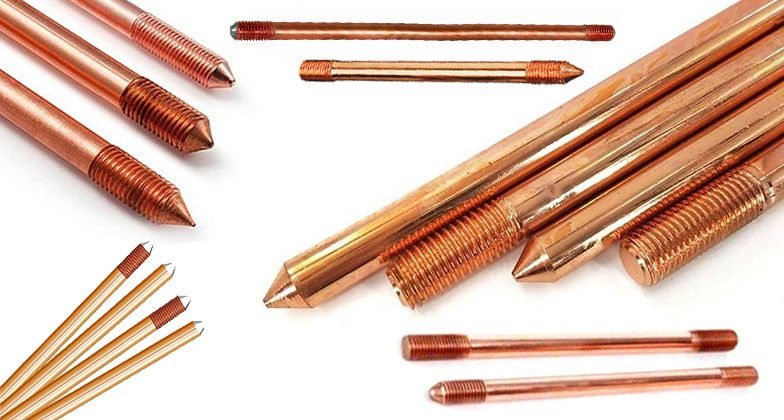
When people talk about electrical safety, one thing comes quietly in the background but does the real heavy work. Earthing. And the heart of that system is the Copper Rod for Earthing.
If the rod is poor quality, grounding becomes weak. If grounding becomes weak, the whole protection system feels like a false promise. Simple as that.
So yeah, picking the right copper rod is not some small detail. It’s the base.
Let’s talk properly about what matters in a copper earthing rod, not in a textbook way, but like someone who has actually seen sites, panels, and real installation work.
What Exactly Is a Copper Earthing Rod?
A copper earthing rod is a metal rod installed deep into the ground to connect electrical systems safely to the earth.
Simple job. Big responsibility.
When excess current flows due to fault or surge, the rod helps send that electricity into the soil instead of letting it stay in your wiring, machines, or worse… human bodies.
That’s why grounding is not just “extra”. It’s basic safety.
Why Copper Is Preferred for Earthing
People ask why copper is used when steel is cheaper.
Honestly, the answer sits in physics.
Copper has very high electrical conductivity. It transfers fault current quickly and smoothly into the earth. Steel does conduct too, but copper performs better over time.
Also, underground conditions are harsh. Moisture, salts, chemicals in soil… all of that eats metal slowly.
Copper survives that environment far longer.
In fact, the International Electrotechnical Commission (IEC) highlights copper as one of the most reliable grounding materials due to its conductivity and corrosion resistance.
That’s not marketing. That’s engineering.
Key Features That Matter in a Good Copper Rod
Not every copper rod sold in the market is the same. Some look similar, but quality changes everything.
Here are the features that actually matter.
1. High Electrical Conductivity
This is the main reason copper is chosen.
A good earthing rod must carry fault current without heating up or resisting flow. Pure copper offers conductivity close to 100% IACS (International Annealed Copper Standard).
Better conductivity means safer discharge.
No drama during faults.
2. Corrosion Resistance Underground
Soil is unpredictable. Some places have high moisture, some have acidic conditions, some industrial areas have chemical contamination.
Copper resists corrosion naturally, much better than galvanized alternatives.
That means the rod stays effective even after years buried in the earth.
No one wants to dig up rods every few years.
3. Long Working Life
A properly made copper rod lasts decades.
That’s not exaggeration.
Utilities and transmission projects prefer copper because replacement is costly, not just in money but in downtime.
Long life is a quiet advantage. You install once and forget.
4. Mechanical Strength
Earthing rods are hammered or driven deep into the ground.
If the rod bends or cracks during installation, it becomes useless.
Strong rods have proper tensile strength and structural integrity. Copper-bonded steel rods often offer extra strength while maintaining copper’s outer protection.
So it’s not only conductivity. It’s toughness too.
5. Pure Copper vs Copper-Bonded Rods
This is where buyers get confused.
- Pure copper rods are solid copper throughout. Premium choice, excellent conductivity and corrosion resistance.
- Copper-bonded rods have a steel core with copper coating bonded permanently.
Copper-bonded rods are popular because they combine strength with copper protection, and cost stays more controlled.
The key is bonding quality. Cheap plated rods peel off. Good bonded rods don’t.
That difference matters underground.
6. Correct Diameter and Length
Rod size is not random.
Common diameters: 14mm, 16mm, 20mm
Common lengths: 1 meter, 2 meter, 3 meter
Larger rods provide better contact with soil and lower resistance.
In high-voltage substations, longer and thicker rods are standard. In residential setups, smaller sizes work.
So selection depends on load and soil condition.
7. Smooth Surface Finish
A small detail, but important.
A smooth rod drives into soil easily and reduces damage during installation. Rough surfaces or poor coating lead to early corrosion spots.
Good rods look clean, uniform, properly finished.
That’s usually a sign of controlled manufacturing.
8. Standards and Testing
Serious copper rods follow standards like:
- IEC 62561
- IS specifications for earthing materials
Testing includes conductivity checks, coating thickness tests, bend resistance.
If a supplier cannot provide test assurance, that’s a red flag.
Earthing is not the place for shortcuts.
Where Copper Earthing Rods Are Commonly Used
Copper rods are everywhere once you start noticing.
- Power transmission towers
- Substations and switchyards
- Industrial plants and heavy machinery
- Data centers and telecom systems
- Residential buildings and apartments
- Solar and renewable energy projects
Basically, anywhere electricity flows, grounding follows.
What Buyers Often Miss
Many people buy rods based only on price.
That’s risky.
Cheap rods may have thin copper layers, poor bonding, or mixed materials. They work for a while, then corrosion starts, resistance rises, and protection drops.
Also, installation matters. Soil treatment, proper clamps, moisture control… all these affect performance.
A good rod plus bad installation still gives weak earthing.
So the rod is one part of the full system.
Earthing is invisible work. No one praises it when things run fine. But when a fault happens, the earthing rod quietly does its job.
Copper rods stay a favorite because they don’t argue with physics. Conductivity, durability, and long-term safety speak for themselves.