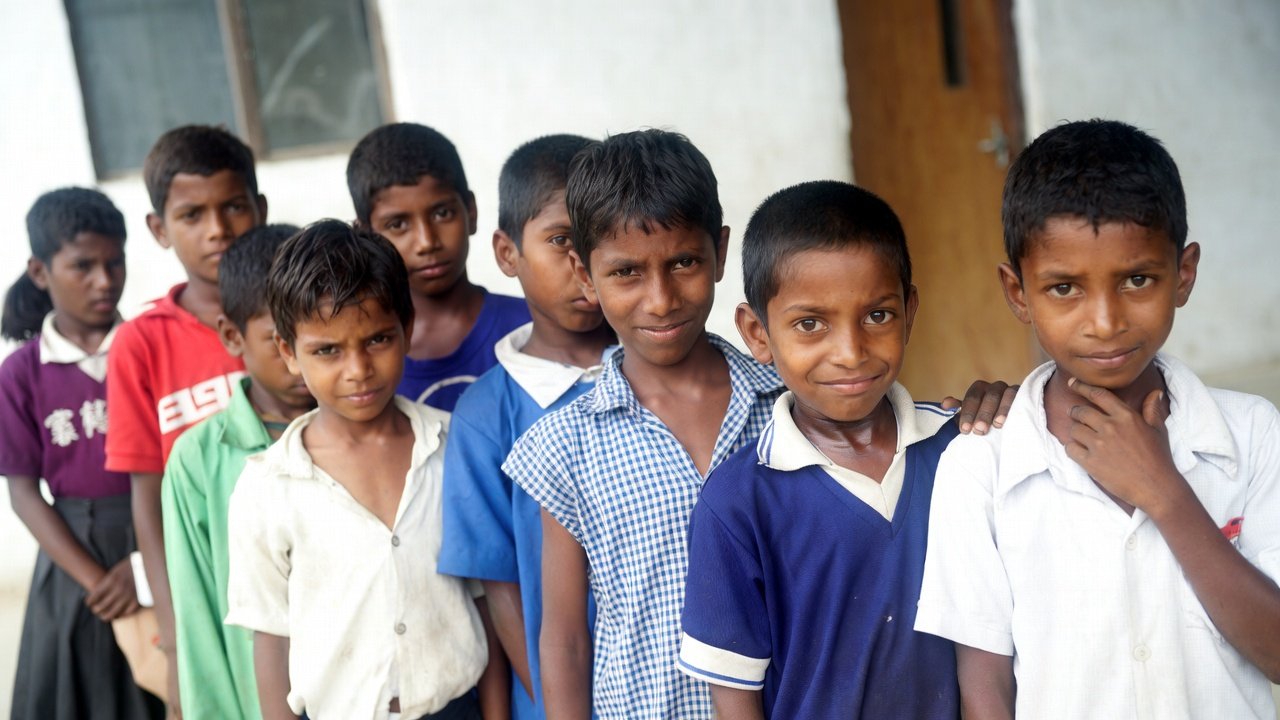
Every child deserves a safe home, a warm meal, and the opportunity to grow up surrounded by care and encouragement. For thousands of vulnerable children across the United Kingdom, orphanages and residential care homes provide that essential lifeline. When you choose to donate to an orphanage in the UK, you are not simply writing a cheque — you are investing in a child’s future, dignity, and wellbeing. This article explores why orphanage donations matter, how charitable giving works in the UK context, what kinds of support organisations need most, and how you can make your contribution count in the most meaningful way possible.
Understanding the Need: Children in Care Across the UK
The United Kingdom has a well-established children’s care system, yet the demand for support continues to outpace available resources. According to data from the Department for Education, there are tens of thousands of looked-after children in England alone, with similar figures reported in Scotland, Wales, and Northern Ireland.
These children enter care for a variety of reasons, including parental neglect, abuse, bereavement, or family breakdown. While the modern UK care system often works through foster placements and residential care homes rather than traditional orphanages, many of these facilities operate with tight budgets and rely heavily on charitable donations to provide enriching, nurturing environments beyond the basics.
Residential care homes — which serve a function similar to traditional orphanages — are registered and regulated by Ofsted in England and equivalent bodies across the devolved nations. They house children and young people who cannot live with their families and for whom foster care is not suitable.
These settings employ dedicated staff and aim to provide stability, but they frequently struggle with funding for extracurricular activities, mental health support, educational resources, and personalised care plans. A donation to an orphanage or children’s residential home in the UK directly addresses these gaps, ensuring that children receive more than mere shelter.
Why Donating to Orphanages in the UK Matters More Than Ever
In recent years, the cost-of-living crisis has placed considerable strain on charitable organisations throughout Britain. Children’s care charities have reported increased operational costs, reduced government grant funding, and greater numbers of children presenting with complex emotional and behavioural needs following the disruptions of the pandemic years. For organisations running residential homes or supporting orphaned and abandoned children, these pressures mean that donor generosity is no longer a supplement to statutory funding — in many cases, it has become an absolute necessity.
Donating to an orphanage in the UK also carries a deeply personal significance. Unlike international aid, which is undeniably important, local charitable giving ensures that children within your own communities receive meaningful support. Many donors find it particularly rewarding to contribute to a cause where they can witness tangible results — visiting a children’s home, sponsoring a young person’s tuition, or funding a holiday trip for children who would otherwise never experience one. These moments are made possible entirely through the kindness of individual and corporate donors who choose to give.
What Organisations Do With Your Orphanage Donations in the UK
Educational and Skill-Building Support
One of the most transformative uses of donated funds is educational support. Children in residential care often experience disrupted schooling, leading to gaps in attainment that can have lifelong consequences. Charities and residential homes use donations to fund tutoring programmes, purchase school supplies, support university application processes, and provide access to vocational training. When you donate to an orphanage or children’s home in the UK, you may directly enable a young person to sit their GCSEs with the proper resources, apply for higher education, or learn a trade skill that sets them up for independent adult life.
Mental Health and Emotional Wellbeing
Children who have experienced trauma, bereavement, or neglect frequently require specialist emotional support that goes well beyond what state funding provides. Many UK children’s charities and residential homes use charitable donations to fund art therapy, counselling sessions, mindfulness programmes, and peer support groups. These services are rarely covered fully by local authority budgets, meaning that donations are often the only way children can access the mental health care they urgently need. Supporting a child’s emotional resilience today prevents far greater social and financial costs down the line.
Enrichment Activities and Life Experiences
For many children in care, simple experiences that others take for granted — a seaside holiday, a theatre trip, learning to swim, joining a sports club — are completely out of reach without charitable support. These enrichment activities are not luxuries; they are essential components of a healthy childhood that build confidence, social skills, and happy memories. Charities supported by orphanage donations in the UK regularly organise group holidays, adventure experiences, arts programmes, and holiday camps that transform the lives of children who need them most.
How to Donate to an Orphanage in the UK: Your Options
There are several practical ways to contribute to orphanages and children’s care charities in the United Kingdom, each suited to different circumstances and levels of commitment. A one-off monetary donation is the simplest and most flexible option, allowing you to give what you can at any time. Regular giving, often called a standing order or direct debit, is even more valuable to charities because it allows them to plan their services with confidence, knowing that a reliable income stream exists. Setting up a monthly donation, even of a modest amount, can have a remarkable cumulative impact over time.
Another highly effective approach is Gift Aid, a UK government scheme that allows registered charities to claim an additional 25 pence for every pound donated by a UK taxpayer at no extra cost to the donor. If you are a UK taxpayer and you donate to an eligible charity, always tick the Gift Aid box — it is one of the simplest ways to increase the real-world value of your contribution without spending an extra penny. Higher-rate taxpayers can additionally claim back the difference between the basic and higher rates of tax through their self-assessment tax return.
Corporate giving is another avenue worth exploring. Many UK businesses run employee giving schemes, matched funding programmes, or charity partnerships. If your employer offers matched giving, a donation to a children’s care charity could effectively be doubled. Fundraising events, charity auctions, and payroll giving are all recognised methods through which companies and their staff can contribute meaningfully to orphanage charities operating in the UK.
Choosing a Reputable Orphanage Charity to Donate to in the UK
Before making any donation, it is important to ensure that the organisation you are supporting is legitimate, transparent, and effective. In the United Kingdom, charities are regulated by the Charity Commission for England and Wales, the Office of the Scottish Charity Regulator (OSCR), or the Charity Commission for Northern Ireland.
You can search these registers online to verify that an organisation is properly registered and to review its annual accounts and governance records. Reputable charities publish clear information about how donations are used, what percentage of funds go directly to beneficiaries, and how they measure their impact.
Look for organisations that demonstrate accountability through published annual reports, clear safeguarding policies, and transparency around their leadership and governance. Charities that care for vulnerable children are subject to particularly stringent regulatory oversight, and any reputable organisation will welcome your questions about how your money will be used. If an organisation is reluctant to provide this information, that is a significant red flag.
The Long-Term Impact of Donating to Orphanages in the UK
The effects of charitable giving to children’s care organisations extend far beyond the immediate moment of donation. Research consistently shows that children who receive strong emotional, educational, and social support during their formative years are far more likely to go on to live fulfilling, productive, and independent adult lives.
Conversely, children who grow up without adequate support are at statistically higher risk of homelessness, mental health difficulties, unemployment, and involvement with the criminal justice system. By choosing to donate to an orphanage or children’s care charity in the UK, you are contributing to a preventative investment that benefits not only the individual child but the wider society.
Many adults who benefited from children’s homes and charitable organisations during their own childhoods speak movingly about the difference that a single kind act — a funded school trip, a birthday gift, a counselling session — made to their trajectory. These are the ripple effects of your generosity, felt across generations and communities. When you donate to orphanages in the UK, you are joining a chain of compassion that has real, lasting, and often life-altering consequences for the children at its heart.
FAQs
Q1. Are there still traditional orphanages in the UK?
The term ‘orphanage’ is rarely used in modern UK policy. Instead, children who cannot live with their families are placed in foster care or residential care homes regulated by Ofsted and equivalent bodies.
Q2. How do I know my donation is going to the right place?
Always check that the charity is registered with the Charity Commission for England and Wales, OSCR (Scotland), or the Charity Commission for Northern Ireland. Review their published annual accounts and impact reports to understand how funds are allocated.
Q3. Can I donate items instead of money to orphanages in the UK?
Many children’s charities and residential homes accept in-kind donations such as clothing, books, toys, and toiletries, though policies vary by organisation.
Q4. Is my donation to a UK orphanage charity tax-deductible?
If you are a UK taxpayer donating to a registered charity, your donation may qualify for Gift Aid, which allows the charity to reclaim 25% tax on your contribution at no additional cost to you.
Q5. What is the best way to make a regular donation to a children’s care charity in the UK?
Setting up a monthly direct debit or standing order through the charity’s official website is typically the most efficient and impactful method. Regular giving allows charities to plan services reliably.
Q6. Can I volunteer at a children’s home or orphanage charity in the UK instead of donating money?
Volunteering opportunities do exist with many UK children’s charities, though due to strict safeguarding requirements, direct contact with children typically requires an enhanced DBS (Disclosure and Barring Service) check and a formal vetting process.