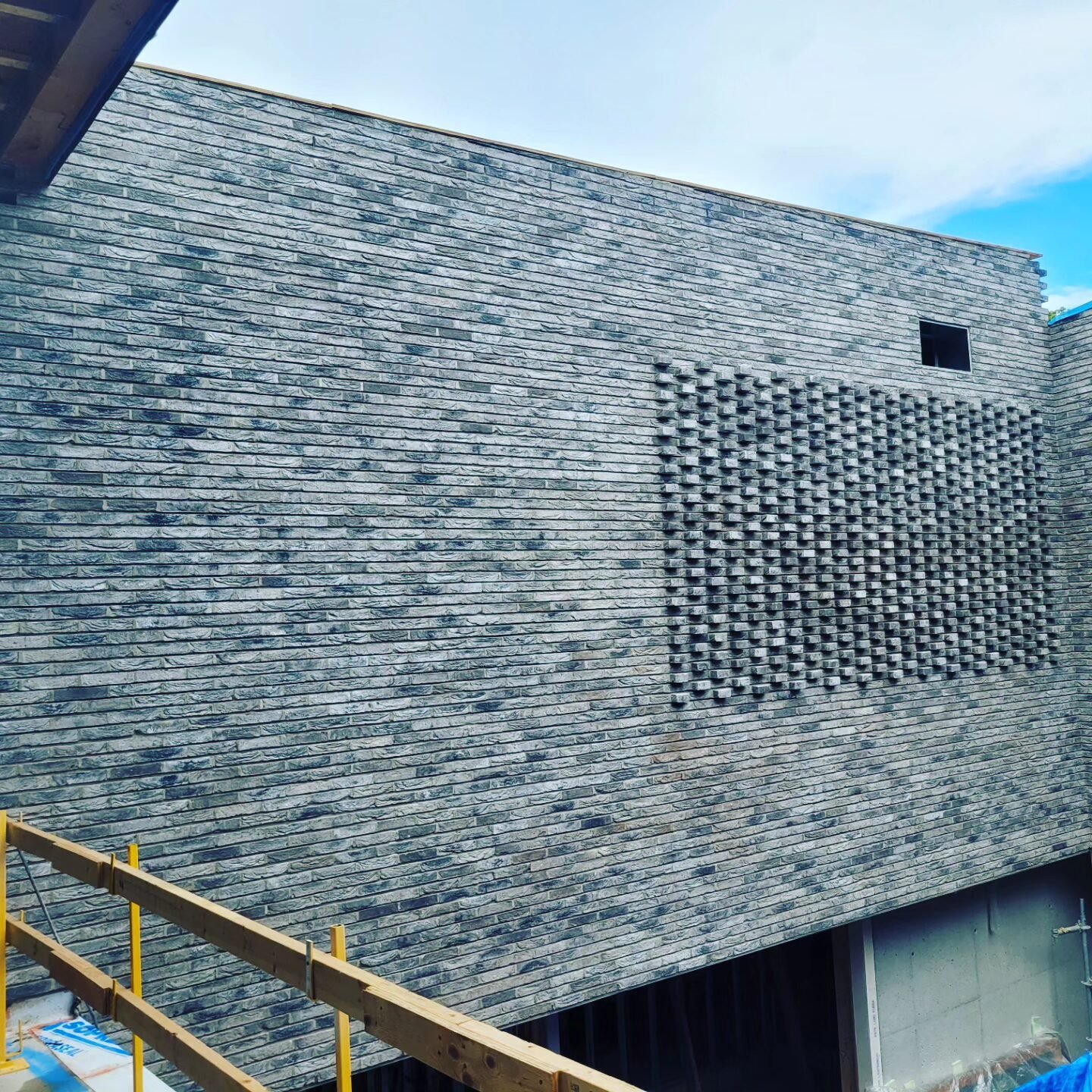
Stonework adds timeless beauty, strength, and character to any property. Whether it’s a stone façade, decorative masonry, patios, walkways, or retaining walls, custom stonework contributes significantly to curb appeal and structural integrity. But like all exterior features, stonework is subject to wear, weathering, and damage over time. That’s where custom stonework repair becomes essential—not just for aesthetics, but for maintaining and even increasing your property’s value.
In this article, we’ll explore how custom stonework repair preserves property value, common issues that warrant repair, professional versus DIY considerations, and practical tips for homeowners.
Why Stonework Matters in Property Value
Stonework is more than just decoration—it’s a major investment in your home’s exterior that potential buyers notice immediately. High‑quality stone features can:
- Enhance curb appeal – First impressions matter, and well‑maintained stonework creates a strong visual impact.
- Improve structural integrity – Properly installed and repaired stone stabilizes walls, foundations, and hardscapes.
- Signal quality to buyers – Stone evokes durability and craftsmanship, influencing perceived quality and market value.
When stonework starts to deteriorate, the opposite effect occurs: buyers may see neglect, hidden damage, or expensive repairs ahead—lowering their offer or driving down market interest.
Common Stonework Issues That Reduce Property Value
Not all stonework problems are obvious at first glance. Some develop slowly but can have serious consequences if left unaddressed.
1. Cracked or Loose Stones
Cracks and gaps are telltale signs of movement, settling, or impact damage. Loose stones compromise both safety and appearance.
2. Erosion and Weathering
Rain, snow, ice, and freeze‑thaw cycles gradually wear down stone surfaces and mortar joints, weakening structural bonds.
3. Mortar Deterioration
Mortar doesn’t last forever. Eroded, flaking, or missing mortar makes stonework unstable and susceptible to further damage.
4. Water Infiltration and Staining
Water that seeps behind stonework can lead to discoloration, efflorescence (white salt deposits), mold, and even interior water damage.
5. Foundation and Structural Movement
Shifting soil or foundation issues often show up as misaligned stonework, bulging walls, or uneven patios.
Each of these problems can signal deeper issues to prospective buyers, making it harder to attract strong offers without professional repair.
How Custom Stonework Repair Preserves Value
Investing in custom stonework repair does more than fix visible problems—it protects and enhances your property’s value in a variety of powerful ways.
1. Boosts Curb Appeal and First Impressions
First impressions influence buyer decisions dramatically. A home with impeccable stonework looks cared for and well‑maintained. When a buyer sees crisp stone edges, uniform mortar joints, and no stains or cracks, the property appears desirable and move‑in ready.
Custom stonework repair restores beauty and uniformity, preventing buyers from mentally subtracting value due to unsightly damage.
2. Prevents Structural and Water Damage
Many stonework problems are more than skin‑deep. Cracks and gaps allow water to infiltrate behind walls or under patios, leading to rot, mold, and foundation issues.
By repairing these problems early, you avoid costly secondary damage that can significantly reduce property value or scare off buyers during inspections.
3. Improves Safety and Compliance
Loose stones or unstable masonry present safety hazards to occupants and visitors. Fixing these issues not only protects people but also ensures compliance with building codes and insurance requirements—both of which matter to buyers and appraisers.
4. Extends Lifespan of Outdoor Features
Stone patios, walkways, and retaining walls are significant investments. Custom stonework repair revitalizes these features, extending their functional lifespan and preserving their contribution to overall property value.
5. Enhances Market Position and Buyer Confidence
Homes with updated and hassle‑free exteriors attract more competitive offers. Buyers are more likely to feel confident, make fewer concessions, and overlook minor interior defects when exterior stonework is solid and well maintained.
Custom Stonework Repair: Professional vs. DIY
Some homeowners consider tackling stonework repair themselves—but this decision deserves careful thought.
Why Professional Repair Often Pays Off
- Technical expertise: Professionals know how to match stone types, mortar composition, and bonding techniques.
- Safety: Large stonework involves heavy materials and tools that require training to handle safely.
- Long‑term results: Experts ensure repairs are durable and compatible with existing work, reducing repeat costs.
- Inspection readiness: Professionals can spot hidden issues that untrained eyes might miss.
When DIY Might Be Appropriate
- Small surface cleaning and sealing
- Minor cosmetic touch‑ups
- Replacing a few small stones when instructed by a professional
However, tackling major cracks, structural movement, foundation issues, or extensive mortar deterioration should be left to experienced custom stonework professionals.
What to Look For in Custom Stonework Repair Services
Choosing the right contractor is just as important as choosing to repair in the first place. Here’s what to prioritize:
1. Proven Experience and Portfolio
Look for contractors with a strong track record in stone restoration, masonry repair, and custom stonework that matches your home’s style.
2. High‑Quality Materials
Proper matching of stone type, texture, and color—as well as the right mortar mix—is essential for seamless results.
3. Local Climate Knowledge
Stonework behaves differently depending on weather and soil conditions. Local experts know how to choose materials and techniques that withstand regional climates.
4. Clear Estimates and Communication
Upfront pricing, timelines, and transparent explanations help you avoid surprises and make informed decisions.
5. Warranty or Guarantee
Reputable contractors stand behind their work with warranties or service guarantees—an added reassurance to buyers and future owners.
Smart Timing: When to Repair Stonework
Knowing when to act can maximize the return on your investment and prevent value erosion.
Early Signs to Watch For
- Small cracks in mortar
- Slight shifting or separation between stones
- Discoloration or staining
- Uneven patio surfaces
Inspection Frequency
Annual exterior inspections—especially after seasonal weather extremes—help catch issues early before they escalate.
How Stonework Repair Affects Appraisals and Resale
Real estate appraisers and home inspectors pay close attention to exterior conditions because they reflect long‑term maintenance patterns.
Positive Impact on Appraisals
- Restored stonework improves overall property condition ratings
- Strong exterior features often increase replacement value assessments
- Buyers perceive lower risk and higher return potential
During Resale
Homes that don’t require immediate exterior repairs are more attractive in competitive markets. Custom stonework repair helps properties stand out and justify higher asking prices.
Final Thoughts: Value Beyond the Surface
Custom stonework is a signature feature of many homes—giving charm, character, and strength. But neglecting stonework can lead to deterioration that detracts from property value and buyer appeal.
Investing in custom stonework repair preserves beauty, prevents costly damage, enhances safety, and positions your home for a stronger market performance. Whether you’re planning to sell soon or simply want to protect your investment, professional stonework repair helps your property shine from the outside in.
