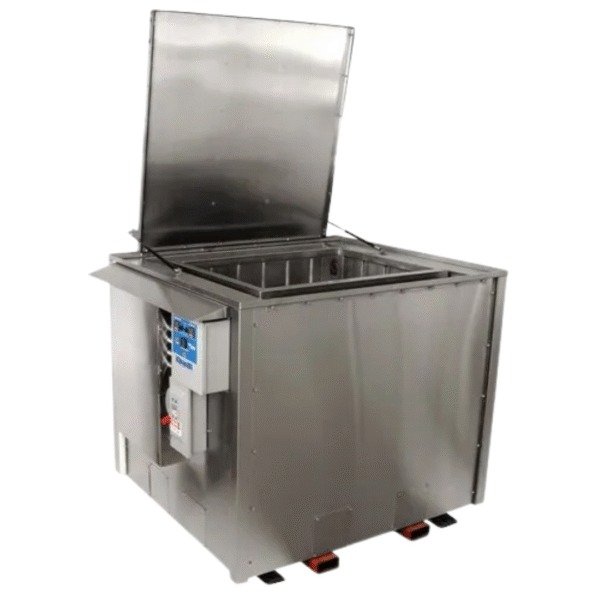
In the electronics manufacturing and repair industry, precision and cleanliness are paramount. Even tiny residues on printed circuit boards (PCBs) can cause malfunctions, short circuits, or reduced lifespan of devices. For manufacturers and repair specialists, achieving a spotless PCB is no longer optional—it’s essential. This is where an Ultrasonic PCB Cleaner becomes a critical tool. Among the various solutions available, Hisashi Industries’ Ultrasonic PCB Cleaner has gained attention for delivering consistent, high-quality cleaning performance for electronics applications.
This article explores how ultrasonic cleaning technology works, its benefits, key buyer considerations, and practical insights into sourcing the right solutions for both PCB maintenance and broader industrial needs.
What Is an Ultrasonic PCB Cleaner?
An Ultrasonic PCB Cleaner is a device that uses high-frequency sound waves, typically in the range of 20–40 kHz, to create microscopic cavitation bubbles in a cleaning solution. These bubbles implode near the surface of the PCB, removing flux residues, dust, oils, and other contaminants without physically scrubbing or damaging delicate components.
This method provides several advantages over traditional cleaning techniques such as manual brushing, chemical wipes, or solvent baths:
- Non-abrasive cleaning: Reduces the risk of damaging solder joints or surface-mounted components.
- Precision: Reaches tiny crevices and under-component areas where manual cleaning cannot reach.
- Efficiency: Saves time and reduces labor costs while ensuring consistent cleaning quality.
Key Benefits of Using an Ultrasonic Cleaner for PCB Flux Removal
Proper flux removal is a critical step in ensuring PCB reliability and longevity. Residual flux can attract moisture, lead to corrosion, and interfere with signal integrity. Using an Ultrasonic Cleaner for PCB Flux Removal offers the following benefits:
1. Superior Cleaning Performance
Ultrasonic cleaners deliver uniform cleaning, effectively removing flux residues even from high-density or multi-layer boards. This ensures that every solder joint and track is free from contaminants, reducing the risk of post-production failures.
2. Reduced Chemical Usage
Compared to traditional cleaning methods that rely heavily on solvents, ultrasonic cleaning often requires minimal detergent or eco-friendly cleaning solutions. This not only lowers costs but also aligns with sustainability practices.
3. Time Efficiency
Automated ultrasonic cleaning cycles are faster than manual cleaning, allowing electronics manufacturers to increase throughput without compromising quality.
4. Versatility Across Components
While specifically designed for PCBs, ultrasonic cleaners can also handle other delicate parts. Some models double as an Ultrasonic Cleaner for Engine Parts, providing flexibility for workshops that manage multiple types of precision equipment.
5. Extended Product Lifespan
By thoroughly removing corrosive residues and contaminants, ultrasonic cleaning contributes to the longevity of PCBs, protecting investments in high-value electronic assemblies.
How to Choose the Right Ultrasonic Cleaner
Selecting the best Ultrasonic Cleaner for your operations involves more than just looking at the price. Buyers should consider several practical factors:
Tank Size and Capacity
The size of the ultrasonic tank determines the volume and dimensions of PCBs you can clean at once. For small-scale electronics repairs, compact units are sufficient, while industrial manufacturing may require larger tanks to accommodate multiple boards.
Frequency and Power
Higher frequency ultrasonic cleaners (40 kHz and above) produce finer bubbles, ideal for delicate components. Lower frequencies generate stronger cavitation for heavy-duty cleaning, such as engine parts. A versatile unit capable of adjusting frequency offers the best of both worlds.
Cleaning Solution Compatibility
Check the compatibility of cleaning solutions with both the ultrasonic equipment and the PCB materials. Some units are designed to work with mild detergents, deionized water, or alcohol-based solutions, depending on your cleaning needs.
Safety and Ease of Use
Look for models with automated controls, timers, and temperature regulation. This reduces operator error and ensures repeatable results without risk of damage to sensitive components.
By keeping these factors in mind, buyers can make an informed decision and maximize their return on investment.
Market Insights: Why Ultrasonic PCB Cleaners Are in High Demand
The electronics industry is experiencing rapid growth, with increasing production of smartphones, IoT devices, automotive electronics, and industrial control systems. This growth has led to heightened demand for efficient and reliable PCB cleaning solutions.
Key market trends include:
- Miniaturization: As devices become smaller and more complex, manual cleaning is no longer sufficient, driving adoption of ultrasonic technology.
- Quality Standards: Stricter compliance and reliability standards in electronics manufacturing require precision cleaning to avoid post-production defects.
- Multi-purpose Cleaning: Companies value equipment that can clean not only PCBs but also engine parts, metal components, or other precision machinery, making ultrasonic cleaners highly versatile.
Brands like Hisashi Industries are responding to these trends by offering solutions tailored to modern manufacturing environments, combining reliability with flexibility.
Sourcing Tips for Ultrasonic PCB Cleaners
When sourcing an Ultrasonic Cleaner for PCB Flux Removal, keep these tips in mind:
- Assess Your Volume Requirements – Determine whether you need a small benchtop unit or a larger industrial-scale cleaner.
- Check for After-Sales Support – Reliable technical support ensures smooth operation and maintenance of the ultrasonic equipment.
- Evaluate Versatility – Units capable of handling multiple applications, such as cleaning engine parts, can provide better long-term value.
- Review Quality and Compliance – Ensure that the equipment complies with industry safety and electrical standards.
- Request Demonstrations or Samples – Observing real-world cleaning results helps verify performance claims.
Implementing these sourcing strategies can prevent costly mistakes and ensure that your investment yields optimal cleaning performance.
Conclusion: Elevate PCB Cleaning with Hisashi Industries
In today’s competitive electronics environment, clean and reliable PCBs are non-negotiable. Using an Ultrasonic PCB Cleaner improves production efficiency, enhances product quality, and safeguards device longevity. With the right equipment, such as the solutions offered by Hisashi Industries, businesses can achieve superior flux removal, save time, and reduce chemical usage.
For manufacturers, repair specialists, and electronics enthusiasts, investing in ultrasonic cleaning technology is a smart decision that blends precision, safety, and versatility. Exploring offerings from trusted brands like Hisashi Industries ensures that your PCB cleaning process is both reliable and effective.
FAQs
1. What is an Ultrasonic PCB Cleaner?
An ultrasonic PCB cleaner uses high-frequency sound waves to generate cavitation bubbles in a solution, removing flux, dust, and residues from circuit boards efficiently.
2. Can the same ultrasonic cleaner handle engine parts?
Yes, some units are designed as multi-purpose Ultrasonic Cleaner for Engine Parts, providing strong cleaning capabilities for metal components while remaining safe for delicate electronics.
3. How do I choose the right ultrasonic cleaner for PCB flux removal?
Consider tank size, frequency, cleaning solution compatibility, and ease of use. Automated controls and adjustable frequency are recommended for precision cleaning.
4. Is ultrasonic cleaning safe for sensitive PCB components?
Yes. Ultrasonic cleaners remove contaminants non-abrasively, preventing damage to solder joints and surface-mounted devices.
5. Why choose Hisashi Industries for ultrasonic PCB cleaning solutions?
Hisashi Industries offers expertise in designing ultrasonic cleaners optimized for PCB flux removal, combining reliability, precision, and multi-application versatility.