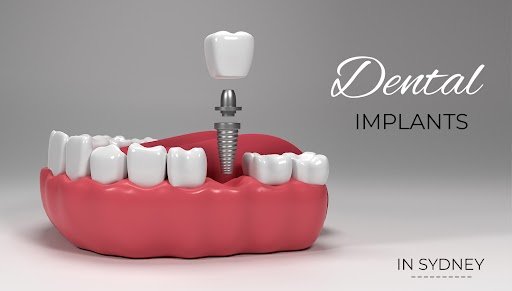
Dental implants are widely regarded as the most advanced solution for replacing missing teeth, yet many Sydney patients hesitate because of the upfront cost. It is a fair concern. Implant treatment is not cheap, and prices can vary noticeably between clinics. However, focusing only on cost often overlooks the bigger picture.
When deciding whether dental implants are the right option, it is far more useful to compare cost versus outcome. What do you gain long term? How does the treatment affect your oral health, comfort, confidence and future dental expenses? Clinics like Bigger Smiles help patients look beyond the initial price tag and understand the real value of implant treatment over time.
Understanding the Cost of Dental Implants in Sydney
Dental implant costs in Sydney vary because implant treatment is highly personalised. A dental implant is not a single item but a structured treatment process that includes assessment, planning, surgery and restoration.
Typical factors that influence cost include:
- The number of implants required
- Bone quality and whether grafting is needed
- The location of the missing tooth
- The type of implant system used
- The final restoration, such as a crown or bridge
Some clinics advertise low prices that only cover part of the treatment. Others provide an all-inclusive fee that reflects the full process. Understanding what is included is essential when comparing costs.
What Outcomes Really Matter to Patients
When patients assess outcomes, they are usually thinking about more than just replacing a tooth. Key outcomes include:
- Comfort when eating and speaking
- A natural looking smile
- Long-term stability
- Minimal ongoing maintenance
- Protection of surrounding teeth and bone
Dental implants are designed to deliver all of these outcomes, which is why they are often recommended when conditions allow.
Comparing Implants to Cheaper Alternatives
At first glance, alternatives such as dentures or dental bridges appear more affordable. However, the long-term outcomes are very different.
Dentures can:
- Move or slip when eating or talking
- Require regular adjustments
- Contribute to bone loss over time
- Need replacement every few years
Bridges may:
- Require healthy neighbouring teeth to be altered
- Have a limited lifespan
- Increase the risk of future dental work
Dental implants stand alone and do not rely on adjacent teeth. This independence is a major reason their long-term outcomes are often superior, despite higher upfront costs.
Long-Term Oral Health Outcomes
One of the most important outcomes of dental implant treatment is the preservation of jawbone health. When a tooth is lost, the bone beneath it begins to shrink. This process continues unless the bone is stimulated.
Dental implants act like natural tooth roots, stimulating the bone and helping maintain facial structure. Over time, this can reduce the risk of:
- Sunken facial appearance
- Further tooth loss
- Changes in bite alignment
These health benefits are rarely factored into cost comparisons but play a major role in long-term wellbeing.
Function and Daily Comfort
From a functional perspective, implants behave much like natural teeth. They are fixed in place and allow patients to eat, speak and smile without worrying about movement.
For many patients, this outcome alone justifies the cost. Being able to enjoy meals, speak clearly and feel confident in social situations has a daily impact on quality of life that cheaper options often cannot match.
Bigger Smiles regularly sees patients who initially chose removable options and later upgrade to implants because of functional limitations.
Durability and Lifespan
Dental implants are designed to last many years and often decades when cared for properly. While no dental treatment lasts forever, implants generally outperform other tooth replacement options in terms of lifespan.
Dentures and bridges often require replacement or significant maintenance over time. When these ongoing costs are added up, the long-term financial difference between implants and alternatives becomes much smaller than it appears initially.
Maintenance and Ongoing Costs
Another outcome worth considering is ongoing maintenance. Dental implants are cared for much like natural teeth through brushing, flossing and regular dental visits.
In contrast, dentures may involve:
- Special cleaning routines
- Adhesives
- Frequent relines or repairs
Lower maintenance requirements contribute to both convenience and reduced long-term expense.
Aesthetic Outcomes Matter
Modern dental implants are designed to look and feel natural. Custom crowns are colour matched and shaped to blend seamlessly with surrounding teeth.
This is particularly important for front teeth, where appearance plays a major role in confidence. Cheaper solutions may restore function but often fall short aesthetically, especially over time.
The Role of Planning and Experience
The outcome of implant treatment depends heavily on planning and execution. Detailed assessment, advanced imaging and precise placement all contribute to success.
Clinics such as Bigger Smiles invest in thorough planning to ensure implants are placed safely and predictably. While this approach may influence cost, it significantly improves outcomes and reduces the risk of complications or corrective treatment later.
When Higher Cost Leads to Better Outcomes
It is important to recognise that higher cost does not automatically mean better care. However, very low implant prices can sometimes reflect:
- Limited assessment
- Lower quality materials
- Reduced follow-up care
Better outcomes are usually linked to experienced clinicians, quality implant systems and comprehensive treatment planning. These factors tend to be reflected in pricing.
Cost vs Outcome Over Time
A helpful way to assess value is to consider outcomes over ten or twenty years rather than the first twelve months.
Over time, dental implants often provide:
- Stable function without repeated intervention
- Fewer additional dental procedures
- Better preservation of oral structures
When viewed this way, the cost of implants is often offset by their long-term performance and reduced need for replacement.
Making an Informed Decision in Sydney
Sydney patients have access to a wide range of dental implant providers, which makes informed decision-making even more important. Rather than asking only “how much does it cost”, better questions include:
- What is included in the treatment plan
- What outcomes can I realistically expect
- How long is the result likely to last
- What maintenance will be required
Clear answers help patients weigh cost against outcome accurately.
Why Patients Choose Bigger Smiles
Patients choose Bigger Smiles for dental implant treatment because the clinic focuses on outcomes, not just procedures. Their approach includes:
- Clear explanations of costs and inclusions
- Personalised treatment planning
- Emphasis on long-term oral health
- High-quality materials and techniques
This helps patients understand what they are paying for and what results they can expect over time.
Final Thoughts
Dental implants in Sydney may involve a higher upfront cost, but the outcomes they deliver often outweigh the initial expense. Improved function, comfort, appearance and long-term oral health all contribute to their value.
When comparing dental implant cost versus outcome, it becomes clear that implants are not just a purchase but an investment in long-term wellbeing. With proper planning and care, and guidance from clinics like Bigger Smiles, patients can achieve results that support both their smile and their quality of life for many years to come.