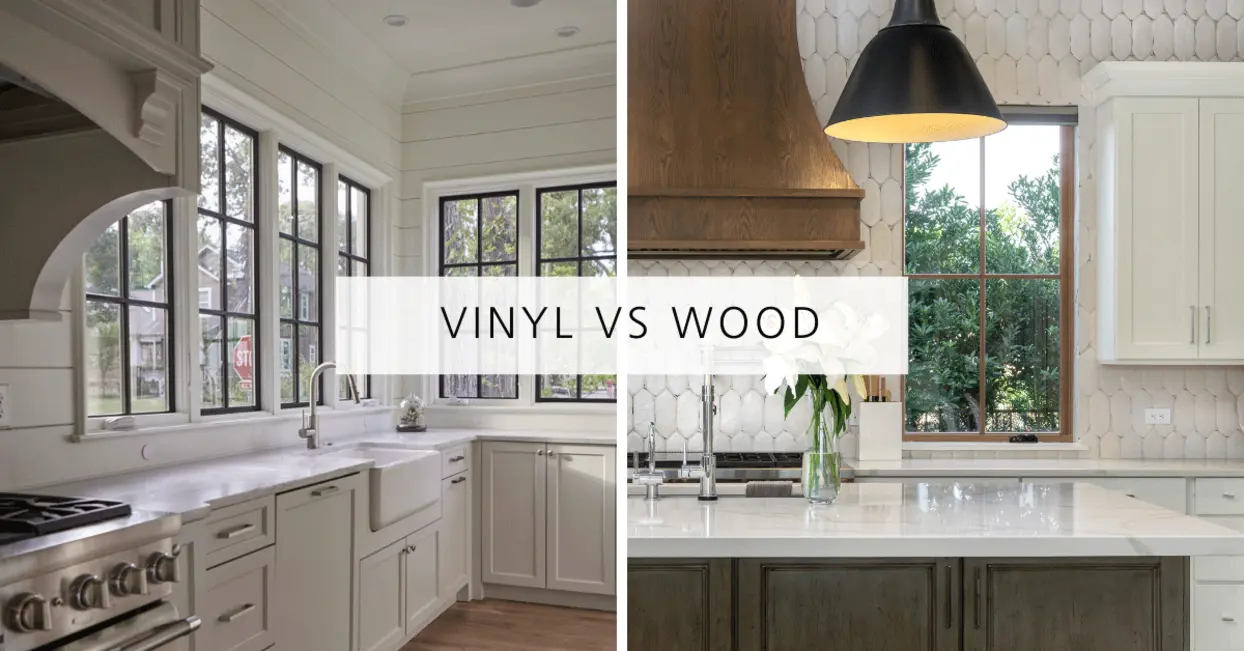
Comparing Vinyl and Wood Windows: What You Need to Know Before Buying – Choosing the right windows is a long-term investment that affects comfort, energy efficiency, maintenance costs, and the overall look of a building. Among the most common options on the market today are vinyl and wood windows. Both have strong advantages, but they serve different needs, climates, and buyer priorities.
This guide offers a clear, practical comparison of Vinyl and Wood Windows to help homeowners, architects, and builders make informed decisions before buying.
Understanding Vinyl and Wood Windows
Vinyl windows are made primarily from PVC (polyvinyl chloride), a durable synthetic material known for its resistance to moisture and temperature changes. These windows are manufactured in controlled environments, allowing for consistent quality and performance.
Wood windows, by contrast, are made from natural timber such as pine, oak, or mahogany. They are often chosen for their classic appearance and craftsmanship. Many modern wood windows combine solid wood interiors with exterior cladding for added protection.
Understanding these basic material differences is key to evaluating performance, cost, and longevity.
Energy Efficiency and Insulation Performance
Energy efficiency is a major factor for buyers worldwide, especially as energy costs rise and building standards become stricter.
Vinyl windows offer excellent thermal insulation. The material itself does not conduct heat well, which helps reduce heat transfer. Multi-chambered vinyl frames further improve insulation, making vinyl a strong choice for both hot and cold climates.
Wood is also a natural insulator. Solid wood frames perform well in moderate climates and can help regulate indoor temperatures. However, wood’s performance depends heavily on proper sealing and maintenance. If moisture penetrates the frame, insulation value can decline over time.
In general, both vinyl and wood windows can achieve high energy ratings when paired with modern glazing systems. The difference often lies in long-term consistency.
Maintenance Requirements Over Time
Maintenance is one of the most significant differences between vinyl and wood windows.
Vinyl windows are known for being low maintenance. They do not require painting, staining, or sealing. Cleaning usually involves mild soap and water. Vinyl does not rot, peel, or corrode, which makes it appealing for humid or coastal regions.
Wood windows require more care. To protect against moisture, insects, and sun damage, wood frames need regular painting or staining. Without proper upkeep, wood can warp, crack, or rot. Some modern wood windows include aluminum or composite cladding on the exterior, reducing maintenance demands while preserving the wood interior.
Buyers should realistically assess how much ongoing maintenance they are willing to manage.
Durability and Lifespan
Durability depends on environment, usage, and care.
High-quality vinyl windows are engineered to withstand moisture, UV exposure, and temperature fluctuations. They are less likely to swell or contract, which helps maintain a tight seal. In most cases, vinyl windows offer a reliable lifespan with minimal performance loss.
Wood windows can last for decades when well maintained. Historic buildings around the world still use original wood windows as proof of their longevity. However, neglect can significantly shorten their lifespan, particularly in wet or extreme climates.
For buyers seeking predictable durability with minimal intervention, vinyl often has the advantage.
Aesthetic Appeal and Design Flexibility
Aesthetics often drive the final decision.
Wood windows are widely appreciated for their natural beauty and warmth. They can be customized with different stains, paints, and profiles, making them ideal for traditional architecture, luxury homes, and restoration projects.
Vinyl windows have improved significantly in appearance over the years. Modern designs offer slimmer frames, a range of colors, and wood-grain finishes. While vinyl may not fully replicate the depth of real wood, it provides a clean, contemporary look suitable for many building styles.
The choice here often comes down to architectural goals and design expectations.
Cost Considerations and Value
Budget plays a central role in window selection.
Vinyl windows are generally more affordable upfront. Their lower material and installation costs make them attractive for large-scale projects, renovations, and cost-conscious buyers. Long-term savings also come from reduced maintenance and energy efficiency.
Wood windows usually come with a higher initial price due to material quality and craftsmanship. Ongoing maintenance costs should also be factored in. However, wood windows can add perceived value and visual appeal to premium properties.
Evaluating total lifetime cost rather than just purchase price leads to better decisions.
Environmental Impact and Sustainability
Sustainability is an increasing concern for global buyers.
Wood is a renewable resource when responsibly sourced. Many manufacturers use certified sustainable forests, making wood windows an environmentally conscious choice. However, treatments and finishes can affect environmental impact.
Vinyl production involves synthetic materials, which raises environmental concerns. That said, modern manufacturing has improved efficiency, and many vinyl windows are recyclable. Their long lifespan and energy savings can also offset some environmental costs.
Buyers focused on sustainability should look into manufacturer certifications and production practices.
Making the Right Choice
When comparing Vinyl and Wood Windows, there is no universal winner. Vinyl offers low maintenance, strong energy performance, and cost efficiency. Wood provides unmatched aesthetic appeal and traditional craftsmanship but requires greater care.
The right choice depends on climate, budget, design goals, and long-term expectations. By understanding the strengths and limitations of each option, buyers can select windows that perform well, look right, and deliver lasting value.Choosing the right windows is a long-term investment that affects comfort, energy efficiency, maintenance costs, and the overall look of a building. Among the most common options on the market today are vinyl and wood windows. Both have strong advantages, but they serve different needs, climates, and buyer priorities.
This guide offers a clear, practical comparison of Vinyl and Wood Windows to help homeowners, architects, and builders make informed decisions before buying.
Understanding Vinyl and Wood Windows
Vinyl windows are made primarily from PVC (polyvinyl chloride), a durable synthetic material known for its resistance to moisture and temperature changes. These windows are manufactured in controlled environments, allowing for consistent quality and performance.
Wood windows, by contrast, are made from natural timber such as pine, oak, or mahogany. They are often chosen for their classic appearance and craftsmanship. Many modern wood windows combine solid wood interiors with exterior cladding for added protection.
Understanding these basic material differences is key to evaluating performance, cost, and longevity.
Energy Efficiency and Insulation Performance
Energy efficiency is a major factor for buyers worldwide, especially as energy costs rise and building standards become stricter.
Vinyl windows offer excellent thermal insulation. The material itself does not conduct heat well, which helps reduce heat transfer. Multi-chambered vinyl frames further improve insulation, making vinyl a strong choice for both hot and cold climates.
Wood is also a natural insulator. Solid wood frames perform well in moderate climates and can help regulate indoor temperatures. However, wood’s performance depends heavily on proper sealing and maintenance. If moisture penetrates the frame, insulation value can decline over time.
In general, both vinyl and wood windows can achieve high energy ratings when paired with modern glazing systems. The difference often lies in long-term consistency.
Maintenance Requirements Over Time
Maintenance is one of the most significant differences between vinyl and wood windows.
Vinyl windows are known for being low maintenance. They do not require painting, staining, or sealing. Cleaning usually involves mild soap and water. Vinyl does not rot, peel, or corrode, which makes it appealing for humid or coastal regions.
Wood windows require more care. To protect against moisture, insects, and sun damage, wood frames need regular painting or staining. Without proper upkeep, wood can warp, crack, or rot. Some modern wood windows include aluminum or composite cladding on the exterior, reducing maintenance demands while preserving the wood interior.
Buyers should realistically assess how much ongoing maintenance they are willing to manage.
Durability and Lifespan
Durability depends on environment, usage, and care.
High-quality vinyl windows are engineered to withstand moisture, UV exposure, and temperature fluctuations. They are less likely to swell or contract, which helps maintain a tight seal. In most cases, vinyl windows offer a reliable lifespan with minimal performance loss.
Wood windows can last for decades when well maintained. Historic buildings around the world still use original wood windows as proof of their longevity. However, neglect can significantly shorten their lifespan, particularly in wet or extreme climates.
For buyers seeking predictable durability with minimal intervention, vinyl often has the advantage.
Aesthetic Appeal and Design Flexibility
Aesthetics often drive the final decision.
Wood windows are widely appreciated for their natural beauty and warmth. They can be customized with different stains, paints, and profiles, making them ideal for traditional architecture, luxury homes, and restoration projects.
Vinyl windows have improved significantly in appearance over the years. Modern designs offer slimmer frames, a range of colors, and wood-grain finishes. While vinyl may not fully replicate the depth of real wood, it provides a clean, contemporary look suitable for many building styles.
The choice here often comes down to architectural goals and design expectations.
Cost Considerations and Value
Budget plays a central role in window selection.
Vinyl windows are generally more affordable upfront. Their lower material and installation costs make them attractive for large-scale projects, renovations, and cost-conscious buyers. Long-term savings also come from reduced maintenance and energy efficiency.
Wood windows usually come with a higher initial price due to material quality and craftsmanship. Ongoing maintenance costs should also be factored in. However, wood windows can add perceived value and visual appeal to premium properties.
Evaluating total lifetime cost rather than just purchase price leads to better decisions.
Environmental Impact and Sustainability
Sustainability is an increasing concern for global buyers.
Wood is a renewable resource when responsibly sourced. Many manufacturers use certified sustainable forests, making wood windows an environmentally conscious choice. However, treatments and finishes can affect environmental impact.
Vinyl production involves synthetic materials, which raises environmental concerns. That said, modern manufacturing has improved efficiency, and many vinyl windows are recyclable. Their long lifespan and energy savings can also offset some environmental costs.
Buyers focused on sustainability should look into manufacturer certifications and production practices.
Making the Right Choice
When comparing Vinyl and Wood Windows, there is no universal winner. Vinyl offers low maintenance, strong energy performance, and cost efficiency. Wood provides unmatched aesthetic appeal and traditional craftsmanship but requires greater care.
The right choice depends on climate, budget, design goals, and long-term expectations. By understanding the strengths and limitations of each option, buyers can select windows that perform well, look right, and deliver lasting value.
This post made by: toko baut mur – tokohasil.com