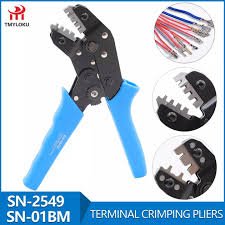
A crimping tool may look simple, but its role is anything but minor. From electrical connections to industrial assemblies, this tool is responsible for one critical outcome: creating a secure bond that doesn’t fail over time. When done right, crimping replaces solder, screws, and guesswork with reliability.
That’s why choosing and using the right crimping tool matters more than most people realize.
What a Crimping Tool Actually Does
At its core, a crimping tool compresses one material around another to form a permanent mechanical connection. Unlike temporary fasteners, a proper crimp creates uniform pressure that resists vibration, heat changes, and repeated use.
This makes crimping tools essential in:
- Electrical wiring and terminals
- Network and communication cables
- Automotive and aerospace systems
- Plumbing and industrial fittings
The strength of the connection depends as much on the tool as the technique.
Why Crimping Tools Are Preferred Over Other Methods
Many professionals choose a crimping tool instead of soldering or bolting for practical reasons.
Crimped connections:
- Maintain conductivity without heat damage
- Reduce installation time
- Perform consistently under movement and stress
- Lower long-term maintenance needs
When speed and reliability matter, crimping becomes the smarter solution.
Types of Crimping Tools and Their Uses
Not all crimping tools serve the same purpose. Each type is engineered for specific materials and outcomes.
Manual Crimping Tools
These rely on hand pressure and are commonly used for light-duty electrical and DIY applications. They offer control and portability.
Ratcheting Crimping Tools
Designed for consistency, ratcheting tool crimping ensures full compression before releasing, reducing user error in professional environments.
Hydraulic Crimping Tools
Used for heavy cables and industrial work, hydraulic crimping tools deliver powerful, even force where manual tools fall short.
Understanding the application prevents weak connections and material damage.
Key Features That Define a Quality Crimping Tool
A crimping tool’s performance depends on more than brand or price.
Look for:
- Precisely machined dies for uniform pressure
- Ergonomic handles that reduce fatigue
- Material compatibility clearly marked on the tool
- Locking or ratcheting mechanisms for consistency
A well-built crimping tool doesn’t just make the job easier — it makes the result dependable.
Common Mistakes When Using a Crimping Tool
Even the best crimping tool can fail if misused.
Avoid these errors:
- Using the wrong die size for the connector
- Applying uneven pressure
- Crimping damaged or mismatched materials
- Skipping inspection after crimping
A proper crimp should be firm, aligned, and resistant to pull without deforming the connector.
How a Crimping Tool Improves Long-Term Reliability
Crimping tools play a hidden role in system safety. A single weak connection can lead to power loss, signal interference, or mechanical failure. Proper crimping distributes stress evenly, which helps connections survive real-world conditions.
That reliability is why industries with zero tolerance for failure depend on crimping tools daily.
Final Thoughts on the Crimping Tool
A crimping tool isn’t just another hand tool — it’s a precision instrument that determines whether connections last or fail. When chosen thoughtfully and used correctly, it delivers strength, efficiency, and peace of mind.
For professionals and serious DIY users alike, investing in the right crimping tool means building systems that hold up long after the work is done.
Check Out More Latest Articles: Click Here