Timing belts are one of those car parts most drivers never think about—until something goes wrong. They stay hidden, quietly doing their job every time you drive. But here’s the suspenseful part: when a timing belt fails, it often does so without warning, and the damage can be serious.
So how long do timing belts really last? Is it all about mileage, or does time matter just as much? And what role does your daily driving style play? Let’s break it all down in a simple, clear way.
What a Timing Belt Does (And Why Its Lifespan Matters)
A timing belt keeps the engine’s moving parts working together in perfect rhythm. If that rhythm is lost, the engine can stop instantly. Unlike many other car parts, a timing belt does not slowly lose performance—you don’t “feel” it wearing out.
That’s why knowing how long it lasts is so important. Replacing it too early can feel wasteful. Replacing it too late can lead to costly repairs.
Note:
Understanding when to replace Timing Belts can protect your engine and your wallet. For professional guidance and reliable support, PIX Thailand offers trusted expertise in this area. Contact them to learn more and make informed decisions before problems arise.
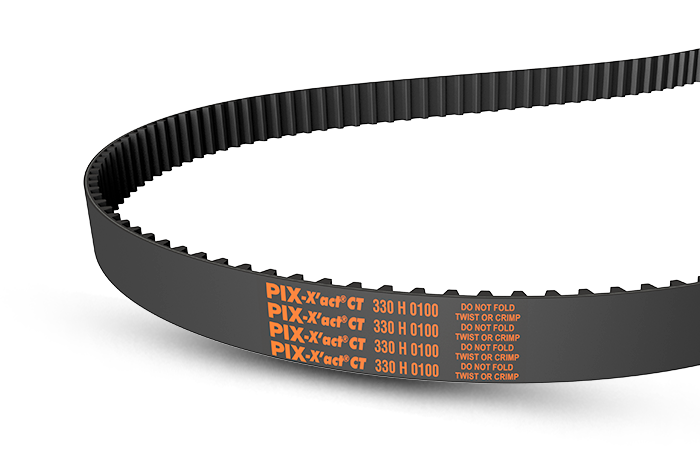
Average Timing Belt Lifespan You Should Know
Most timing belts are designed to last a long time, but not forever. In general, manufacturers give a recommended range rather than a fixed number.
Here’s a simple overview:
| Vehicle Use | Typical Mileage Range | Typical Age Limit |
|---|---|---|
| Light daily driving | 60,000–100,000 miles | 5–7 years |
| Mixed city and highway use | 70,000–110,000 miles | 6–8 years |
| Mostly highway driving | Up to 120,000 miles | Around 8 years |
Important takeaway: Even if you don’t drive much, age alone can wear out a timing belt.
Mileage: The Factor Everyone Watches
Mileage is the most talked-about factor, and for good reason. Every mile adds stress to the belt as it moves thousands of times per minute.
High mileage usually means:
- More engine heat
- More wear from constant motion
- Higher risk of cracking or snapping
But here’s the twist—low mileage doesn’t always mean a healthy timing belt. That’s where age comes in.
Age: The Silent Enemy of Timing Belts
Timing belts are made of rubber-based materials. Over time, rubber dries out, hardens, and loses flexibility—even if the car is barely driven.
Age-related wear includes:
- Small cracks forming on the surface
- Loss of strength inside the belt
- Increased chance of sudden failure
This is why many mechanics recommend replacing a timing belt after a certain number of years, even if mileage is low. It’s one of those rare cases where time can be just as dangerous as distance.
How Driving Conditions Change Everything
Not all miles are equal. The way and place you drive can shorten—or extend—timing belt life.
Conditions That Shorten Belt Life
- Frequent short trips
- Heavy traffic with constant stopping
- Hot or very cold climates
- Carrying heavy loads often
Conditions That Help It Last Longer
- Smooth highway driving
- Regular engine maintenance
- Stable temperatures
- Gentle acceleration habits
Here’s a quick comparison:
| Driving Condition | Impact on Timing Belt |
|---|---|
| Stop-and-go traffic | Faster wear |
| Long highway trips | Slower wear |
| Extreme heat or cold | Rubber weakens sooner |
| Well-maintained engine | Longer lifespan |
Can You Tell When a Timing Belt Is About to Fail?
This is where things get tricky. Timing belts usually don’t give clear signs. Still, some subtle clues can appear:
- Unusual engine noises
- Trouble starting the car
- Engine misfires
- Oil leaks near the engine front
Never wait for symptoms. By the time signs appear, damage may already be close.
Why Waiting Too Long Is a Risky Gamble
Many drivers push their luck, hoping the belt will last “a bit longer.” Sometimes it does. Sometimes it doesn’t. That uncertainty is what makes timing belts so suspenseful—and dangerous.
A broken timing belt can:
- Stop the engine instantly
- Bend internal engine parts
- Turn a planned repair into a major expense
Replacing it on schedule is far safer than testing its limits.
Final Thoughts Before You Decide
Timing belts don’t fail based on one single rule. Their lifespan depends on mileage, age, and how you drive. Ignoring any one of these can put your engine at risk.
If you’re ever unsure, it’s better to ask early than regret it later.
Frequently Asked Questions
1. Can a timing belt last more than 100,000 miles?
Yes, some can, but only under ideal conditions and proper maintenance. Age still matters.
2. Is it safe to drive if the timing belt is old but not worn?
No. Even an old-looking belt can fail suddenly due to internal damage.
3. Does engine oil affect timing belt life?
Yes. Oil leaks can weaken the belt and reduce its lifespan.
4. Should I replace other parts with the timing belt?
Often yes, since related parts wear at a similar rate.
5. Is replacing a timing belt expensive compared to engine repair?
Timing belt replacement is far cheaper than fixing engine damage after a failure.
Follow on Social Media
Facebook: https://www.facebook.com/pixtrans/
Instagram: https://www.instagram.com/pixtrans/
YouTube: https://www.youtube.com/user/pixtrans
LinkedIn: https://www.linkedin.com/company/pixtrans/
Twitter/X: https://x.com/pixtrans
Google Maps: https://maps.app.goo.gl/V2NG4NKaZRKu7xtG6