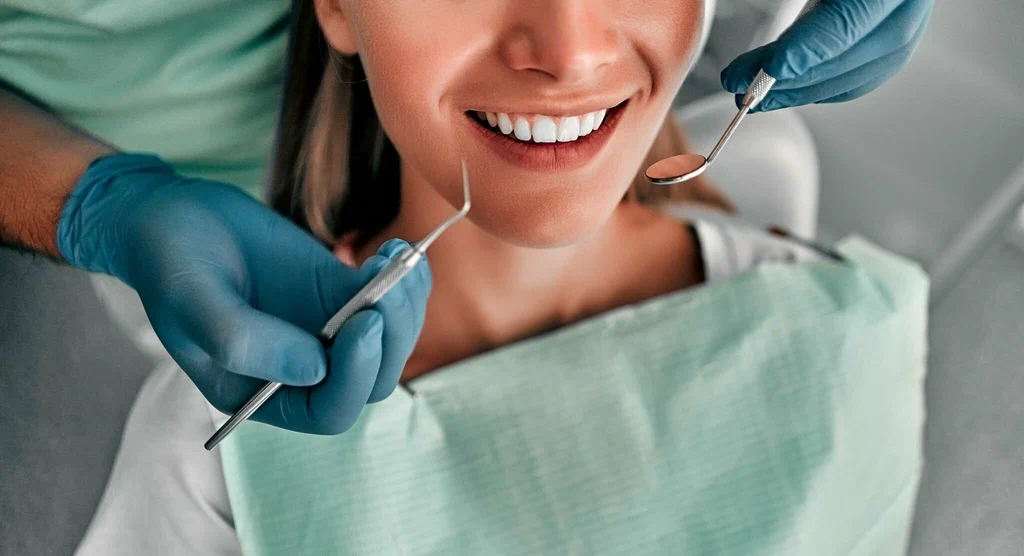
A healthy, bright smile is not just about aesthetics—it plays a vital role in your overall health and confidence. While professional dental care is essential, your daily habits make the biggest difference in keeping your teeth and gums strong. Small, consistent actions can prevent common dental problems and help you maintain a radiant smile for years to come.
Start Your Day with Proper Brushing
Brushing your teeth every morning is one of the most important habits for oral health. Overnight, bacteria multiply in your mouth, forming plaque that can lead to cavities and gum disease if not removed. Using a fluoride toothpaste and brushing for at least two minutes helps clean your teeth thoroughly and strengthens enamel.
Use the Right Brushing Technique
How you brush matters just as much as how often you brush. Gentle circular motions are more effective than aggressive scrubbing, which can damage enamel and irritate gums. Make sure to brush all surfaces of your teeth, including the back molars and along the gum line, where plaque tends to build up.
Don’t Skip Flossing
Flossing is often overlooked, yet it plays a crucial role in oral hygiene. Your toothbrush cannot reach the spaces between your teeth, where food particles and bacteria get trapped. Daily flossing helps prevent cavities between teeth and reduces the risk of gum disease by removing plaque from hard-to-reach areas.
Rinse with Mouthwash
Adding mouthwash to your daily routine provides extra protection against bacteria. An antibacterial or fluoride mouthwash can help reduce plaque, freshen breath, and strengthen teeth. While mouthwash does not replace brushing or flossing, it is a valuable supplement for maintaining a clean and healthy mouth.
Stay Hydrated Throughout the Day
Drinking plenty of water supports good oral health by washing away food particles and neutralizing acids produced by bacteria. Water also promotes saliva production, which is your mouth’s natural defense against decay. Staying hydrated helps prevent dry mouth, a condition that increases the risk of cavities and bad breath.
Choose Tooth-Friendly Foods
Your diet has a direct impact on your dental health. Foods rich in calcium, such as dairy products, leafy greens, and nuts, strengthen teeth and bones. Crunchy fruits and vegetables like apples and carrots stimulate saliva flow and help clean teeth naturally. Limiting sugary and acidic foods reduces the risk of tooth decay and enamel erosion.
Limit Sugary Drinks and Snacks
Frequent consumption of sugary snacks and beverages feeds harmful bacteria in your mouth. These bacteria produce acids that weaken enamel and lead to cavities. Reducing sugary treats and choosing healthier alternatives can significantly improve your oral health over time.
Practice Mindful Snacking
Snacking throughout the day increases the amount of time your teeth are exposed to acids. Instead of constant snacking, try to eat balanced meals and allow time for saliva to neutralize acids between meals. When you do snack, opt for tooth-friendly options like cheese or raw vegetables.
Avoid Using Teeth as Tools
Using your teeth to open packages, bite nails, or hold objects can cause chips, cracks, and unnecessary wear. Developing the habit of using proper tools instead protects your teeth from damage and reduces the risk of dental emergencies.
Maintain a Consistent Oral Care Routine
Consistency is key when it comes to oral health. Brushing twice a day, flossing once daily, and rinsing regularly create a strong foundation for a healthy smile. Skipping even one step can allow plaque to accumulate and lead to long-term issues.
Pay Attention to Gum Health
Healthy gums are essential for a healthy smile. Signs of gum problems include redness, swelling, bleeding, or tenderness. Gentle brushing along the gum line and regular flossing help prevent gum disease, which can lead to tooth loss if left untreated.
Replace Your Toothbrush Regularly
A worn-out toothbrush is less effective at cleaning your teeth. Dentists recommend replacing your toothbrush or electric toothbrush head every three to four months, or sooner if the bristles are frayed. A fresh toothbrush ensures better plaque removal and improved oral hygiene.
Protect Your Teeth During Physical Activities
If you participate in sports or physical activities, wearing a mouthguard can protect your teeth from injury. Dental trauma can result in chipped or knocked-out teeth, which are often preventable with proper protection.
Schedule Regular Dental Check-Ups
Routine dental visits allow professionals to detect issues early and provide preventive care. Visiting a Dentist St Kilda ensures that your teeth and gums are examined thoroughly, professional cleaning is performed, and potential problems are addressed before they become serious.
Professional Cleaning Makes a Difference
Even with excellent daily habits, plaque and tartar can build up over time. Professional dental cleanings remove hardened deposits that brushing and flossing cannot eliminate. This helps prevent gum disease and keeps your smile looking bright and healthy.
Be Mindful of Teeth Grinding
Teeth grinding, especially at night, can cause enamel wear, jaw pain, and headaches. Stress management techniques and dental appliances can help protect your teeth from grinding-related damage. If you notice symptoms, discussing them with a dental professional is important.
Quit Smoking for Better Oral Health
Smoking negatively affects your oral health by increasing the risk of gum disease, tooth discoloration, and oral cancer. Quitting smoking improves blood flow to the gums, enhances healing, and contributes to a brighter, healthier smile.
Manage Stress for Oral Health
Stress can impact oral health in unexpected ways, including teeth grinding and gum inflammation. Incorporating stress-reducing habits such as exercise, meditation, or adequate sleep supports both mental well-being and dental health.
Teach Good Habits Early
Developing healthy dental habits from a young age sets the foundation for lifelong oral health. Encouraging children to brush, floss, and visit a St Kilda Dentist regularly helps prevent future dental problems and builds confidence in caring for their smiles.
Listen to Your Body
Sensitivity, pain, or changes in your mouth should never be ignored. Early attention to discomfort can prevent minor issues from becoming major problems. Being proactive about oral health leads to better outcomes and less invasive treatments.
Final Thoughts
A healthier, brighter smile is the result of simple daily habits practiced consistently. From proper brushing and flossing to mindful eating and regular dental visits, each habit plays a role in maintaining strong teeth and healthy gums. By making oral care a priority in your daily routine, you invest not only in your smile but also in your overall health and confidence.