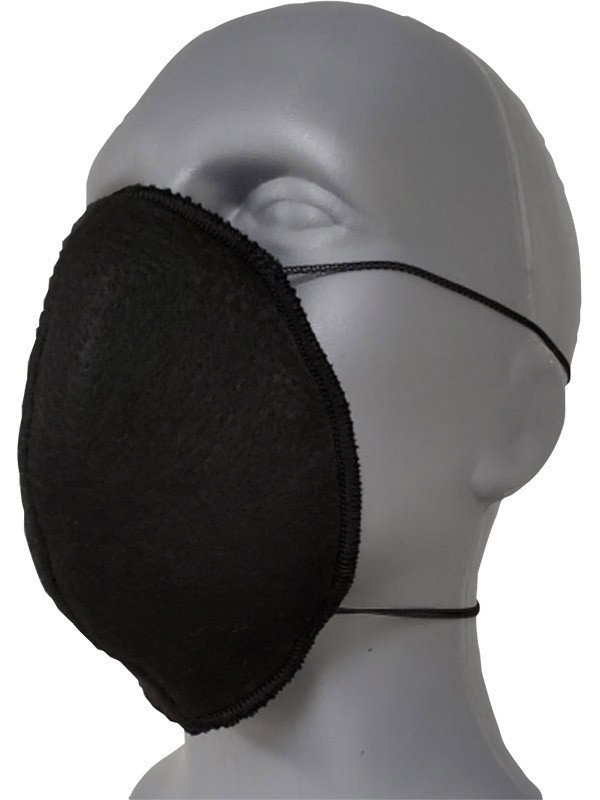
Workplace health protection has evolved significantly in recent years, moving beyond traditional safety measures to address airborne risks, hygiene standards, and public health preparedness. Across industries such as manufacturing, healthcare, construction, logistics, education, and commercial services, disposable face masks have become a critical component of comprehensive workplace health strategies.
While often associated with temporary health crises, disposable face masks now serve a broader role in reducing exposure to airborne contaminants, supporting regulatory compliance, and reinforcing organizational responsibility toward employee well-being.
The Growing Importance of Respiratory Protection in the Workplace
Airborne hazards—ranging from dust and allergens to pathogens and chemical particles—pose ongoing risks in many work environments. Disposable face masks offer a practical and scalable solution to mitigate these risks.
Addressing Everyday Airborne Exposure Risks
Many workplaces expose employees to airborne particles as part of routine operations. Dust, fumes, and fine particulates can accumulate over time, contributing to respiratory issues and reduced productivity. Disposable face masks act as a first line of defense, limiting inhalation of harmful particles and supporting long-term respiratory health.
This everyday protection is especially valuable in industrial, warehousing, and maintenance environments.
Supporting Workforce Health During Seasonal Illness Cycles
Seasonal illnesses can significantly impact attendance and operational continuity. Disposable face masks help reduce the transmission of respiratory infections in shared spaces by limiting the spread of droplets. Their use supports healthier work environments and helps organizations manage absenteeism during peak illness periods.
Preventive measures at this level strengthen overall workforce resilience.
Enhancing Health Protection in High-Contact Roles
Employees in customer-facing or collaborative roles often work in close proximity to others. Disposable face masks provide an added layer of protection in these interactions, reducing exposure risks and increasing confidence among both employees and clients.
This is particularly relevant in healthcare, retail, education, and service-based industries.
Disposable Face Masks as a Compliance and Risk Management Tool
Beyond health protection, disposable face masks play a strategic role in regulatory compliance and organizational risk management.
Aligning with Occupational Health and Safety Requirements
Occupational health and safety regulations require employers to assess workplace hazards and implement appropriate controls. In environments where airborne risks are present, disposable face masks support compliance by demonstrating proactive hazard mitigation.
Their availability and proper use often form part of inspection and audit evaluations.
Reducing Employer Liability and Operational Risk
Workplace health incidents related to airborne exposure can result in claims, investigations, and reputational harm. By incorporating disposable face masks into safety programs, organizations reduce the likelihood of preventable exposure incidents and strengthen their duty-of-care position.
This proactive approach limits both legal and operational risk.
Supporting Emergency Preparedness and Continuity Planning
Disposable face masks are essential components of emergency preparedness plans. Whether responding to outbreaks, environmental events, or short-term exposure risks, having masks readily available allows organizations to act quickly without disrupting operations.
Preparedness at this level supports business continuity and stakeholder confidence.
Selecting and Implementing Disposable Face Masks Effectively
The effectiveness of disposable face masks depends on thoughtful selection, implementation, and integration into broader safety programs.
Understanding Different Mask Types and Use Cases
Not all disposable masks offer the same level of protection. Basic masks support general hygiene, while higher-grade options provide enhanced filtration for specific airborne hazards. Understanding task requirements and exposure levels ensures the right masks are deployed in the right environments.
Appropriate selection prevents under-protection and unnecessary cost.
Ensuring Proper Fit and Correct Usage
Even high-quality masks are ineffective if worn incorrectly. Training employees on proper fitting, wearing duration, and disposal is essential. Clear usage guidelines help maximize protective value while maintaining comfort and compliance during extended wear.
Consistency in usage is key to achieving intended health outcomes.
Integrating Masks into Broader Safety Culture
Disposable face masks should not be treated as standalone items. When integrated into a broader safety culture—alongside ventilation controls, hygiene practices, and PPE protocols—they reinforce shared responsibility for health protection.
Visible leadership support improves adoption and normalizes protective behavior.
Cost Efficiency and Supply Strategy Considerations
From a management perspective, disposable face masks must balance health outcomes with cost control and supply reliability.
Strategic Procurement for Workforce Scale
Organizations with large or distributed teams benefit from centralized procurement strategies that ensure consistent quality and availability. Reliable sourcing from established providers such as canada safety supply supports continuity while reducing procurement complexity.
Standardization also simplifies training and inventory management.
Avoiding False Economies in Health Protection
Low-quality masks may compromise filtration, fit, or durability, undermining protection and increasing replacement frequency. Investing in reliable disposable masks delivers better long-term value by reducing health incidents, absenteeism, and operational disruption.
Quality-driven procurement supports sustainable safety outcomes.
Managing Inventory and Readiness
Maintaining adequate mask inventory is essential for uninterrupted operations. Stock planning should account for seasonal demand, workforce size, and emergency scenarios. Well-managed inventory ensures rapid deployment when health risks increase unexpectedly.
Preparedness reduces reactive decision-making under pressure.
Disposable Face Masks and Long-Term Workplace Health Strategy
As workplace health expectations continue to evolve, disposable face masks remain relevant beyond immediate risk scenarios.
Supporting Employee Confidence and Engagement
Employees are more engaged and productive when they feel protected. Visible investment in health measures such as disposable face masks reinforces trust and demonstrates organizational commitment to well-being.
This confidence translates into stronger morale and retention.
Aligning with ESG and Corporate Responsibility Goals
Health protection initiatives increasingly align with ESG and corporate responsibility frameworks. Disposable face masks contribute to the “social” dimension by supporting safe working conditions and responsible risk management.
Documented health measures strengthen reporting and stakeholder communication.
Adapting to Future Health and Safety Challenges
Future workplace health challenges may emerge from environmental changes, new pathogens, or evolving regulations. Disposable face masks offer flexibility and scalability, making them a reliable tool for adapting to uncertain health landscapes.
Organizations that plan ahead are better positioned to respond effectively.
Conclusion: A Foundational Element of Workplace Health Protection
Disposable face masks are essential to protecting workplace health by reducing airborne exposure, supporting compliance, and strengthening organizational resilience. When selected thoughtfully and integrated into structured safety programs, they deliver measurable benefits across health, productivity, and risk management.
In today’s dynamic work environments, disposable face masks are not a temporary solution—they are a foundational element of responsible, future-ready workplace health protection strategies.