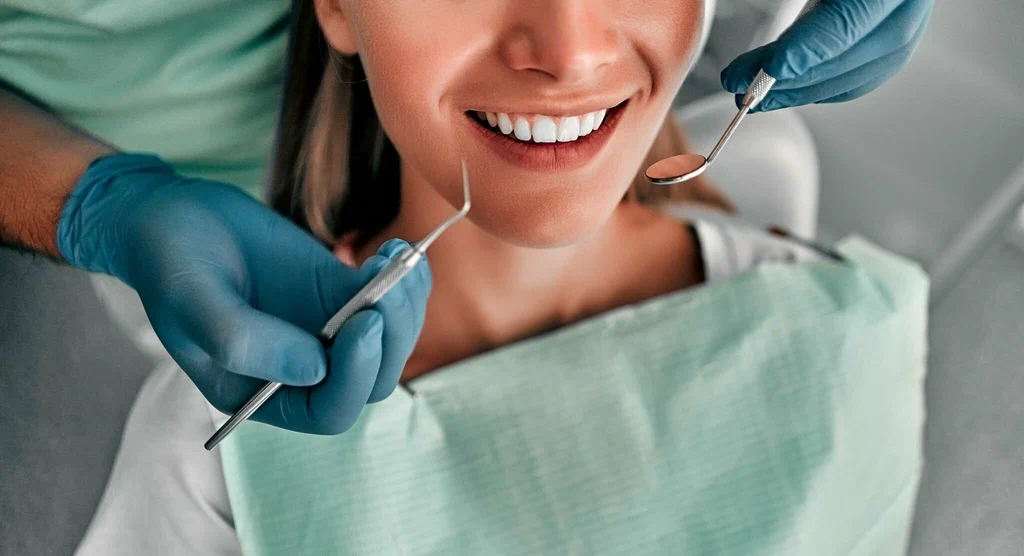
A bright, white smile has become a symbol of confidence, youth, and good health. With social media, celebrity culture, and easy access to whitening products, many people now view whiter teeth as an essential part of their appearance. While teeth whitening can be a safe and effective cosmetic treatment, problems arise when the desire for a brighter smile turns into overuse. Excessive whitening, particularly without professional guidance, can lead to sensitivity, enamel damage, and gum irritation. Understanding how whitening works, where the risks lie, and how to whiten safely is essential for protecting both the appearance and long-term health of your teeth.
Understanding Teeth Whitening: How It Works
Teeth whitening works by using bleaching agents such as hydrogen peroxide or carbamide peroxide to lift stains from the enamel and dentine. These agents penetrate the tooth surface and break down discolouration caused by food, drinks, smoking, and natural ageing. While whitening can noticeably improve tooth colour, results depend on correct usage and professional guidance.
Whitening methods include:
- Dentist-supervised in-clinic treatments
- Custom take-home trays
- Over-the-counter strips and gels
Professionally supervised options prioritise safety and controlled results. Overuse or unsupervised whitening increases the risk of sensitivity and enamel damage. Whitening is effective, but moderation is essential to protect long-term oral health.
What Is Considered Excessive Teeth Whitening?
Excessive teeth whitening occurs when products are used too often, for extended periods, or at strengths beyond recommended levels. Many people assume that increasing frequency leads to quicker or brighter results, but overuse can damage enamel and irritate sensitive oral tissues, causing long-term problems rather than improvement.
Common warning signs of over-whitening include:
- Ongoing tooth sensitivity
- Chalky, dull, or translucent-looking teeth
- Sore, red, or inflamed gums
People who frequently use whitening strips or gels without professional guidance face higher risks, especially if they have thin enamel or pre-existing dental conditions.
Immediate Side Effects of Over-Whitening
The short-term effects of excessive whitening are often the first indication that something is wrong. These symptoms may appear mild initially but can worsen if whitening continues unchecked.
Common immediate side effects include:
- Tooth sensitivity, especially to hot, cold, or sweet foods
- Gum irritation or chemical burns from contact with bleaching agents
- Enamel dehydration, making teeth feel rough or uncomfortable
- Uneven whitening, leading to patchy or unnatural results
While these effects may subside when whitening is stopped, repeated exposure increases the risk of lasting damage.

Teeth Whitening London
Long-Term Damage Caused by Excessive Whitening
Long-term overuse of whitening products can result in more serious and sometimes irreversible damage. Enamel erosion is one of the most concerning outcomes, as enamel does not regenerate once lost. Thinner enamel exposes the dentine beneath, increasing sensitivity and the risk of decay.Chronic gum irritation may also contribute to inflammation or recession, which can affect both oral health and aesthetics. In severe cases, teeth may appear greyish or translucent rather than white, undermining the very goal whitening was meant to achieve.
| Effect | Short-Term Impact | Long-Term Consequence |
| Sensitivity | Temporary discomfort | Chronic pain |
| Enamel wear | Mild roughness | Increased decay risk |
| Gum irritation | Redness or soreness | Recession or inflammation |
Maintaining strong enamel is especially important for individuals considering restorative options such as dental implant London, where healthy surrounding tissues play a vital role in long-term success.
Who Is Most at Risk from Over-Whitening?
Not everyone responds to teeth whitening in the same way, and some individuals are more prone to damage than others. People with naturally thin enamel or a history of tooth sensitivity may experience discomfort more quickly. Existing oral health issues can also increase risks, making professional advice especially important before starting any whitening treatment.
Those who should proceed with caution include:
- Individuals with gum disease or untreated cavities
- Patients with crowns, veneers, or fillings
- Frequent users of over-the-counter whitening products
Professional supervision helps ensure safer, more predictable outcomes and protects overall oral health while achieving cosmetic improvements.
Safe Whitening Practices: How to Protect Your Teeth
Whitening safely is about moderation, professional oversight, and understanding your individual dental needs. Dentists assess enamel thickness, gum health, and existing restorations before recommending an appropriate whitening approach.
Key guidelines for safe whitening include:
- Limiting whitening frequency to recommended intervals
- Using dentist-approved products with suitable concentrations
- Allowing rest periods between whitening cycles
- Supporting enamel with fluoride and remineralising toothpaste
Professional whitening treatments are designed to achieve noticeable results while minimising risks. Patients interested in teeth whitening London benefit from tailored treatment plans that prioritise long-term oral health alongside cosmetic improvement.
The Psychological Impact of Over-Whitening on Smile Confidence
Excessive teeth whitening can affect more than just enamel; it may also influence how people feel about their smile. When whitening goes too far, results can look unnatural, leading to self-consciousness rather than confidence. Chasing extreme whiteness often creates dissatisfaction instead of reassurance.
Common emotional effects include:
- Increased focus on minor flaws
- Anxiety about tooth appearance
- Reduced satisfaction with cosmetic results
Balanced expectations help protect both dental health and self-esteem.

Dental Implant London
When to Seek Professional Advice
It is essential to seek professional dental advice if tooth sensitivity continues for several days, gum discomfort does not subside, or teeth appear uneven or damaged after whitening. A dentist can assess whether enamel or gum tissue has been affected and suggest safer cosmetic alternatives that protect long-term oral health.
A dental professional may recommend:
- Professional cleaning to remove surface stains
- Tooth bonding for minor cosmetic corrections
- Other restorative treatments to improve appearance safely
Maintaining healthy gums and enamel is especially important when considering advanced procedures, as a strong oral foundation supports lasting, successful dental outcomes.
Conclusion
A white smile can enhance confidence, but it should never come at the expense of oral health. Excessive teeth whitening can damage enamel, irritate gums, and create long-term sensitivity that outweighs cosmetic benefits. By understanding the limits of whitening and seeking professional guidance, patients can achieve safe, attractive results while preserving the strength of their teeth. Clinics such as Smilo Dental Implant London continue to emphasise a balanced approach, where aesthetic goals are aligned with lasting dental health and patient wellbeing