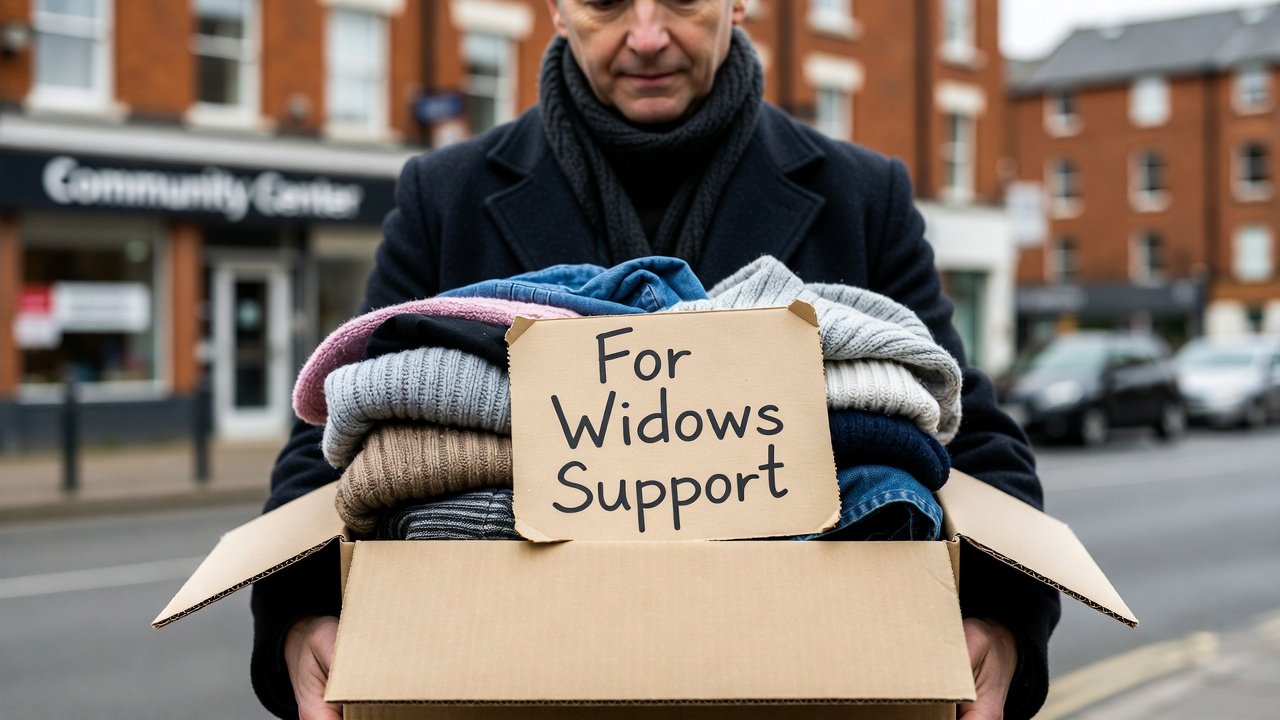
The loss of a spouse is one of life’s most profound and destabilising events, bringing not only deep emotional grief but also immediate and often severe practical and financial challenges. In the UK, it is estimated that a person is widowed every 14 minutes, leaving a significant portion of the population—overwhelmingly women—navigating a sudden and complex new reality.
For many, the death of a partner triggers a dramatic drop in household income, the complexities of probate, potential housing insecurity, and the daunting task of managing finances alone, often for the first time. While the state provides a foundation through the Bereavement Support Payment, this financial support is time-limited and may not cover the full extent of the loss, especially for younger widows or those with dependent children.
It is within this gap that charitable donation support for widows becomes not just beneficial, but essential. A network of dedicated UK charities, funded by the generosity of public and corporate donations, steps in to provide a vital lifeline. These organisations offer more than just monetary grants; they provide holistic support, guidance, and a community, ensuring that no widow has to face their grief and financial upheaval alone.
The Critical Role of Charitable Donations in Sustaining Widow Support Services
Charitable donations are the lifeblood of widow support services across the United Kingdom. Without this consistent stream of philanthropic funding, the vast majority of the specialised services that widows rely on would simply cease to exist. Donations enable charities to operate with the flexibility and responsiveness that government schemes often lack.
These funds are strategically allocated to cover core operational costs, such as maintaining freephone helplines staffed by trained counsellors, developing comprehensive online resource hubs, and organising local support groups where widows can connect with others who understand their journey.
Crucially, donations directly fuel the financial grant programmes that are often a widow’s first point of tangible aid. These grants can be used to cover urgent costs like funeral expenses, which can be a significant burden, or to pay for essential household bills, childcare, or home repairs that a now-single income cannot stretch to cover.
Primary Avenues for Providing Donation Support to Widows in the UK
Individuals and organisations seeking to provide donation support to widows in the UK have several impactful avenues to consider. One of the most direct and effective methods is to donate to a registered charity with a specific focus on widow support.
National organisations such as Widowed and Young (WAY) and the National Association of Widows have established, trusted programmes that channel funds directly to services for bereaved partners. Donors can often choose to give a general donation, which allows the charity to allocate funds to their most pressing need, or they can sometimes direct their gift to a specific programme, such as a children’s activity fund or a counselling service.
Another powerful form of donation is leaving a legacy in one’s will, a gesture that creates a lasting impact and can support future generations of widows. For those wishing to support their local community, many smaller, regional widow support groups operate across the UK and rely heavily on local fundraising and donations.
Additionally, corporate donors can engage in meaningful partnerships through matched funding schemes, where a company matches the donations raised by its employees, or through direct CSR (Corporate Social Responsibility) grants that can fund specific projects, such as a series of mental health webinars or the development of a new online support platform.
The Tangible Impact of Your Donation on a Widow’s Life
The impact of a donation to a widow support charity extends far beyond the monetary value of the gift; it delivers a profound message of hope and practical relief. For a young mother suddenly widowed, a donation-funded grant might mean she can keep her family home stable for her children, preserving a crucial sense of security amidst chaos. It could cover the cost of after-school clubs, giving her time to manage affairs or simply grieve.
For an older widow facing isolation, the donation that supports a local coffee morning group or a telephone befriending service can be the difference between profound loneliness and finding a renewed sense of community and friendship. The funding of a helpline means that in the middle of a panic-inducing night, a compassionate, trained voice is available to offer guidance and calm.
By funding financial advice sessions, donations empower widows with the knowledge to manage their affairs confidently, preventing poor decisions made under stress and protecting them from potential financial exploitation. Ultimately, each donation contributes to a national ecosystem of support that catches individuals when they fall, helping to rebuild shattered lives piece by piece.
FAQs
What is the best charity to donate to for widows in the UK?
Several highly respected charities operate in this sector, including Widowed and Young (WAY), which focuses on those widowed under 50, and the National Association of Widows, which supports widows of all ages.
Can I specify how my donation to a widow’s charity is used?
Many charities offer the option to earmark your donation for a specific programme, such as children’s support, emergency grants, or helpline services.
Are donations to widow support charities tax-efficient?
Yes, if the organisation is a registered charity in England and Wales, Scotland, or Northern Ireland, your donations may be eligible for Gift Aid.
I’m not in a position to give money; are there other ways to support widows?
Absolutely. Volunteering your time is incredibly valuable. Charities need help with roles ranging from helpline operators and event organisers to trustees with professional skills.
How can I be sure my donation will be used responsibly?
Always donate to a registered charity (check its number on the Charity Commission website).
Conclusion:
Supporting widows in the UK through charitable donations is a powerful expression of community and compassion. The sudden loss of a partner creates a ripple effect of need that touches every aspect of life. While grief is a personal journey, the practical burdens of widowhood should not be borne alone. The network of dedicated charities stands ready to provide a critical safety net, but their capacity to do so is entirely dependent on the consistent generosity of donors. By choosing to contribute, whether through a one-off gift, a monthly pledge, or a thoughtful legacy, you become an active part of a support system that upholds dignity, prevents poverty, and fosters resilience. You help ensure that in a moment of profound darkness, a widow finds not just a hand to hold, but a pathway forward. In remembering and supporting those who have lost a life partner, we strengthen the very fabric of our society, building a culture that is truly caring and supportive for all its members.