
Your website is often the first touchpoint between your dental practice and potential patients. Before anyone picks up the phone or walks through your door, they’ve already formed an impression of your professionalism, care, and reliability based on your online presence. A patient-friendly dental website isn’t just about attractive visuals—it’s about empathy, simplicity, and trust.
In an era where patients expect convenience and clarity, your website must reflect the same warmth and quality they would experience at your clinic. From navigation and tone to accessibility and speed, every element plays a role in shaping that first impression.
Why Patient Experience Starts Online
The modern patient journey begins long before treatment—it starts with a Google search. Whether someone’s looking for a routine check-up or cosmetic treatment, your website is the deciding factor in whether they stay or move on to another practice.
A truly patient-friendly dental website focuses on three key principles:
- Clarity: Information should be easy to find and understand.
- Comfort: The design and tone should put patients at ease.
- Connection: The website should invite communication and build trust.
By working closely with experienced dental web designers, your practice can create a digital environment that feels as welcoming and reassuring as your physical one.
The Core of a Patient-Friendly Dental Website
So, what does “patient-friendly” actually mean in web design? It’s a combination of usability, accessibility, and emotion. A website should not only function well but also make visitors feel understood and valued.
Key characteristics include:
- Simple structure: Intuitive navigation and logical flow.
- Readable design: Clear fonts, calming colours, and uncluttered layouts.
- Fast loading times: No one waits for a slow site.
- Accessible interface: Designed for all users, including those with disabilities.
When these fundamentals align, your website becomes an extension of your care philosophy—easy to use, empathetic, and inclusive.
Key Features That Make a Dental Website Patient-Friendly
Let’s break down the essential elements that turn an ordinary dental site into one that patients trust and return to.
1. Clean and Intuitive Navigation
A well-organised website helps patients find what they need without frustration. Every page should be easy to access with just a few clicks.
Checklist for effective navigation:
- Clear menu with logical categories (Home, Services, Team, Contact)
- Sticky header for quick access while scrolling
- Prominent “Book an Appointment” button
- Search bar for specific queries
The goal is to make navigation effortless—so patients spend more time learning about your services, not searching for them.
2. Clear and Compassionate Communication
Dental anxiety is real, and patients often visit websites with uncertainty or fear. Using simple, friendly language helps them feel comfortable and confident in your care.
Avoid overly technical dental terms. Instead, use everyday language and a reassuring tone. For example, rather than saying “endodontic treatment,” refer to it as “root canal therapy.” This small adjustment shows empathy and understanding.
Add a conversational FAQ section to address common questions about pain, pricing, and procedure duration—helping patients feel informed before they even contact you.
3. Mobile Responsiveness and Fast Performance
More than half of patients now browse dental websites on their phones. If your site isn’t mobile-friendly, you risk losing potential appointments.
Key mobile design principles:
- Responsive layout that adapts to all screen sizes
- Easy-to-click buttons and readable text
- Compressed images to reduce loading time
- Minimal pop-ups or distractions
A smooth, mobile-first experience isn’t optional anymore—it’s essential. The best dental web designers ensure every feature functions seamlessly on mobile, tablet, and desktop alike.
4. Accessibility and Inclusivity
An inclusive website ensures all patients—regardless of ability—can use your services comfortably. Accessibility is not just good design practice; it’s a reflection of your care and ethics.
Accessibility must-haves:
- Strong colour contrast and readable font sizes
- Alt text for all images
- Keyboard navigation options
- Captions for videos or audio content
Accessible design communicates that your practice values every patient equally, reinforcing trust and inclusivity.
5. Personal Visuals and Authentic Branding
Patients connect with people, not just pages. Using real photos of your team and clinic gives your website authenticity and warmth.
Avoid generic stock images—they can make your practice feel impersonal. Instead, professional photography of your staff and environment builds familiarity and trust.
Visual elements that add value:
- Smiling staff portraits
- Clean, welcoming clinic imagery
- Soft, calming colour palette
- Consistent logo placement and branding
A personal touch helps bridge the digital gap, giving patients the reassurance they need to book their first visit.
6. Transparent Information and Easy Contact Options
Transparency builds credibility. Patients appreciate when dental practices are upfront about procedures, prices, and outcomes.
Essential homepage details include:
- Treatments and services with clear explanations
- Visible contact information on every page
- Easy-to-find “Book Now” or “Call Us” buttons
- Google Map integration for directions
Providing contact details in multiple locations—header, footer, and contact page—ensures no visitor leaves without knowing how to reach you.
How Design and Marketing Work Hand in Hand
Your website’s design and dental digital marketing strategy should complement each other. Even the most beautiful website won’t bring results if patients can’t find it online.
When web design and marketing align, your website becomes both visually appealing and performance-driven.
How the two work together:
- SEO-friendly structure: Helps your website rank on Google.
- Optimised content: Targets patient-focused keywords.
- Conversion-focused layout: Encourages enquiries and bookings.
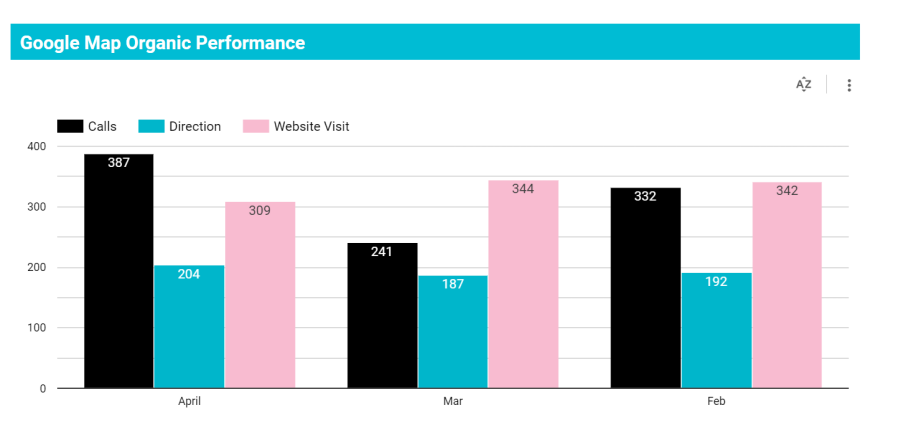
- Analytics integration: Tracks behaviour and improves results.
By combining thoughtful design with intelligent marketing, your website becomes a powerful growth tool for your dental practice.
The Role of Trust in Patient-Friendly Design
Patients need to feel safe before they even step into your clinic. A trustworthy website helps remove hesitation.
Elements that build trust:
- Verified testimonials and reviews
- Professional credentials and accreditations
- Data privacy and secure SSL certification
- Consistent tone that reflects honesty and professionalism
A design that feels genuine and reliable communicates the same integrity as your in-person patient care.
Avoiding Common Website Mistakes
Even well-intentioned websites can fall short. Here are common errors that compromise patient trust and usability:
- Cluttered pages with too much text or imagery
- Outdated visuals or inconsistent branding
- Slow page loading and broken links
- Hard-to-find contact or booking options
- Overly technical or impersonal language
Keep your site focused on the patient experience. Every element should serve a purpose—educating, reassuring, or converting visitors.
Conclusion – Caring for Patients Starts Online
A patient-friendly website is not just a digital tool; it’s an extension of your practice’s philosophy of care. When your website is intuitive, transparent, and welcoming, patients feel understood before they even meet you.
The combination of thoughtful design, genuine content, and effective dental digital marketing ensures your practice stands out online and converts visitors into loyal patients.
At Ampli5 Dental, we specialise in crafting websites that combine creativity, precision, and empathy. Our expert dental web designers build patient-focused experiences that align with your brand’s values and help your practice grow with confidence.