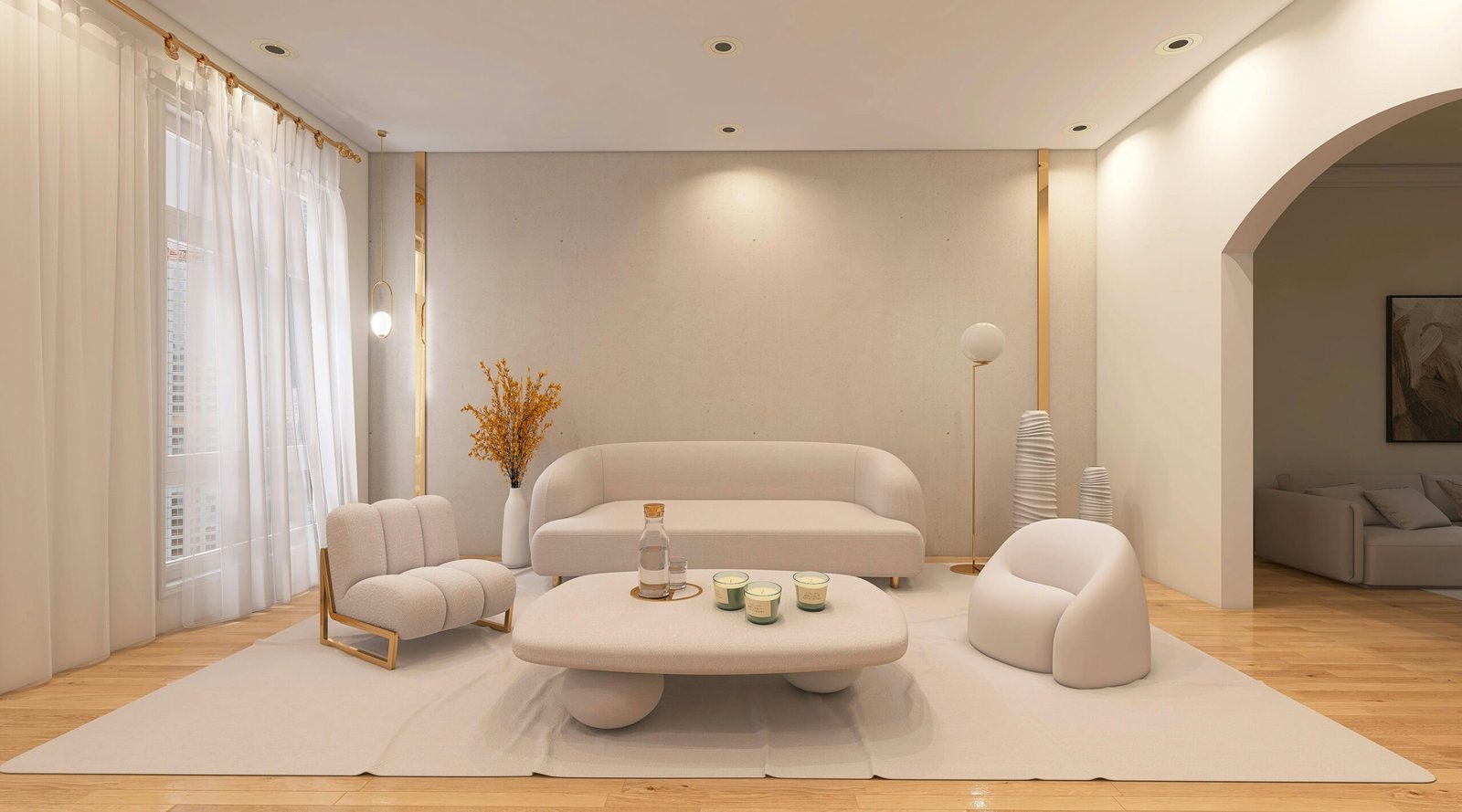
You may have a carefully selected set of furniture inspired by home decor photos from Pinterest. Perhaps you’ve invested in a bold flamingo wall art to spruce up your space. You may also have a lovely area rug anchoring your living room furniture.
So why does your home still feel far from looking like it’s been touched by a professional interior designer?
It doesn’t matter if your furniture pieces were bought from a luxury home depot or if you hired a professional home builder. If you’re committing even one or two of the following decorating missteps, interior designers would agree that you’re preventing your space from reaching its full potential.
1. It’s Too Bland
One of the biggest styling mistakes that makes designers cringe is a lack of variety within a space. If each piece has the same size, height, color, texture, and color family, your room will always look like a mess.
“Scale and proportion are the holy grail of design,” says London-based interior designer Abigail Ahearn. Fill your space with a well-curated mix of heights and proportions. Have a unique blend of interesting shapes and sizes. Explore different textures (smooth and rough, glossy and matte), contrasting hues, and various patterns.
2. Sticking to One Light Source: Overhead Lights
If you’re relying only on overhead lighting sources to illuminate your space, you’re hindering your home from looking its best. Aside from not having enough illumination, overhead lighting simply washes out your space from above. It can be harsh and unflattering, both for your space and for your skin tone.
Layer your light sources to create a range of ambiance. It’s ideal to have a mix of overhead, ambient, and task lighting, with sources coming from different heights. You may use floor lamps, sconces, and table lamps. Add under-cabinet lighting in your kitchen.
3. Grounding Your Space With Tiny Rugs
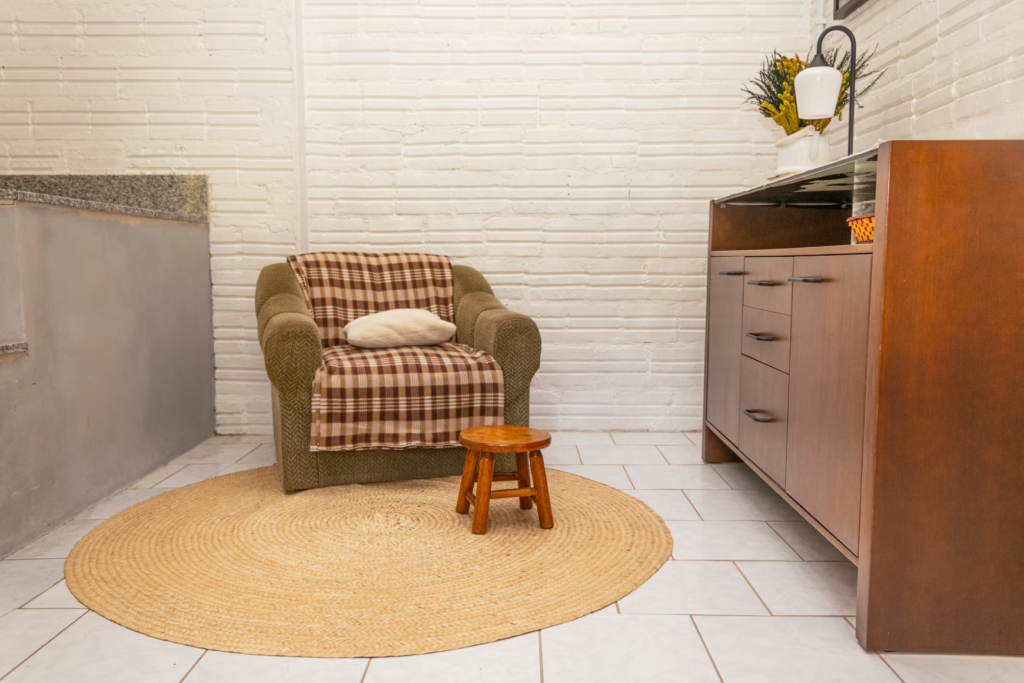
Small rugs are a well-known pet peeve among interior designers. An area rug should ground the entire seating area and define the space.
That said, a tiny 4-by-6 rug that doesn’t do the trick can only make your space look cluttered and cheap.
The rule of thumb is to get a rug that’s big enough to fit the sofa legs on it. All of the furniture pieces—or at least the front legs of your couch—should be sitting on the rug. If you’re decorating your living room, go for an 8 x 10, if not a 9 x 12-foot rug.
4. Hanging Art Too High
Ever wondered why your favorite artwork looks odd on your wall, even if it’s large enough? Chances are it’s hung too high, probably closer to the ceiling than it should be. The golden rule is to hang art at the eye level of an average adult, with its center placed 57 to 60 inches from the floor.
5. Displaying Meaningless Decor
Take a moment to look around your room. Are there any styling pieces that don’t actually spark joy? Do you have items that are there simply because a trend says so? Do you buy things like faux art just to fill a lonely wall space?
Adorning your space with meaningless decor pieces is one of the most common styling mistakes we’re all guilty of. Make sure every piece or home accent has value. Even gallery walls should be filled with items that mean something to you.
6. Using Swing Doors in All Rooms
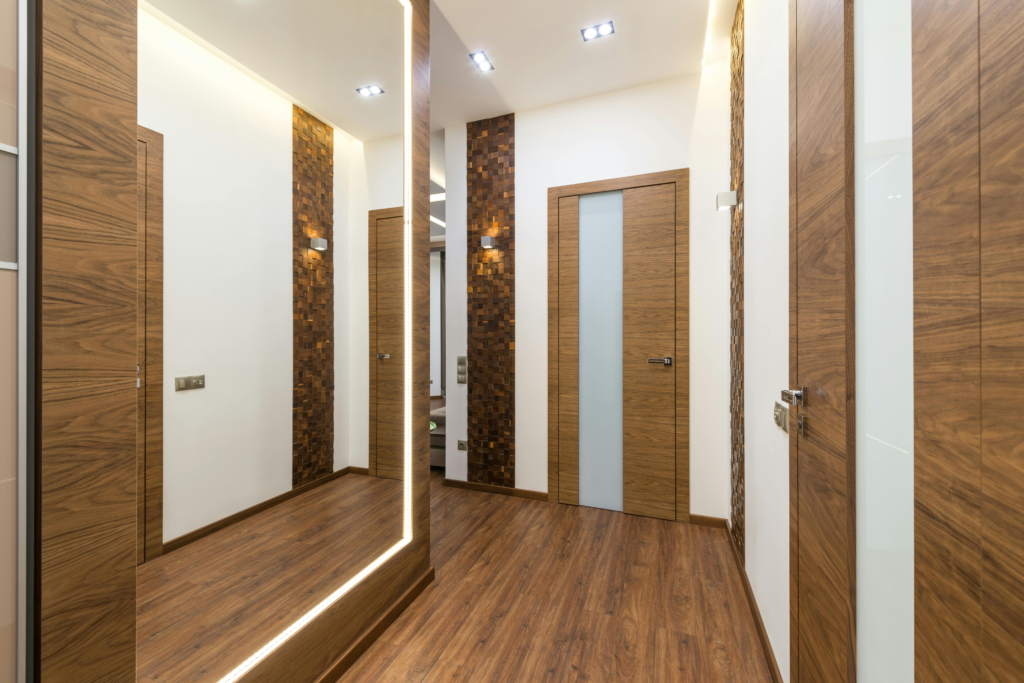
Many homeowners focus solely on furniture and decor while overlooking architectural elements that greatly impact functionality. One common mistake is sticking with traditional swing doors in tight spaces, where they interrupt furniture placement and traffic flow.
Sliding pocket doors are a designer-approved alternative, especially for small apartments, bathrooms, home offices, and closets. They create a cleaner visual line, maximize usable space, and help rooms feel more open and intentional.
7. Furnishing Your Small Space With Dark, Bulky Furniture
According to designers, choosing dark furniture for a small apartment is a common mistake many homeowners don’t even realize they’re making. Heavy, bulky, dark furniture can make a room feel cramped and cumbersome.
If you’re decorating a small space, opt for sofas and curtains in lighter fabrics that reflect light and make your home look and feel bigger. You should also avoid oversized dining tables and instead choose a smaller, lighter table with chairs that can be seamlessly tucked in.
8. Falling Short on Curtains
Unfortunately, hanging curtains isn’t as easy as you might think. You need to measure your wall from the ceiling to the floor before buying curtains. The wrong size or length is enough to cheapen the look of your space—even if the curtains miss the floor by just a few inches.
Opt for long curtains that touch the floor. You should also mount the rod closer to the ceiling rather than directly above the window. The higher the rod, the taller the window will appear.
9. Having Furniture Pushed Against the Walls
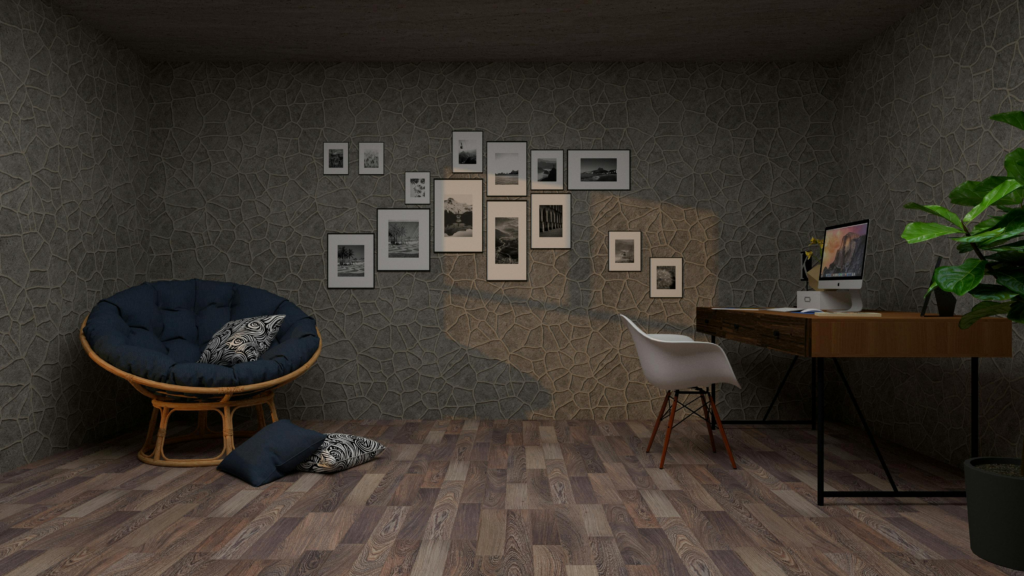
Another subtle mistake that drives designers crazy is pushing furniture pieces all the way up against the walls. Just don’t. It doesn’t save or create more space, and it makes the room feel hollow and uninviting.
Let your furniture breathe and pull pieces together to create a more intimate conversation area. If you’re dealing with tight floor plans, consider architectural solutions such as sliding pocket doors instead of traditional swing doors. Unlike hinged doors, pocket doors slide neatly into the wall, freeing up valuable floor and wall space. This allows for better furniture placement and smoother traffic flow—two key priorities for interior designers.
10. A Lack of Cohesiveness in the Space
Does your space feel visually disjointed, even though each piece seems to work on its own? A common mistake is mixing appliances, furniture, finishes, and decor from vastly different time periods or design styles without a clear intention. For instance, a vintage coffee maker placed beside a sleek, modern steel refrigerator can feel more chaotic than curated.
While eclectic interiors can be beautiful, they’re notoriously tricky to execute well. To achieve a more polished look, aim for cohesion through consistent finishes, complementary styles and silhouettes, or a unifying color palette.
At the end of the day, great interior design isn’t about buying the most expensive furniture or following every trend—it’s about making thoughtful, intentional choices. When every piece has purpose and works in harmony, you allow your space to function better, feel more balanced, and truly reflect your personality while looking professionally designed.
Author Bio: Carmina Natividad is a resident writer for Eclisse UK, a leading British supplier of sleek sliding pocket door systems and concealed frame door solutions that help homeowners and designers maximise space and style in any home. From clever space-saving ideas to stylish interior tips, she loves opening doors (literally and figuratively) to practical insights and creative inspiration.